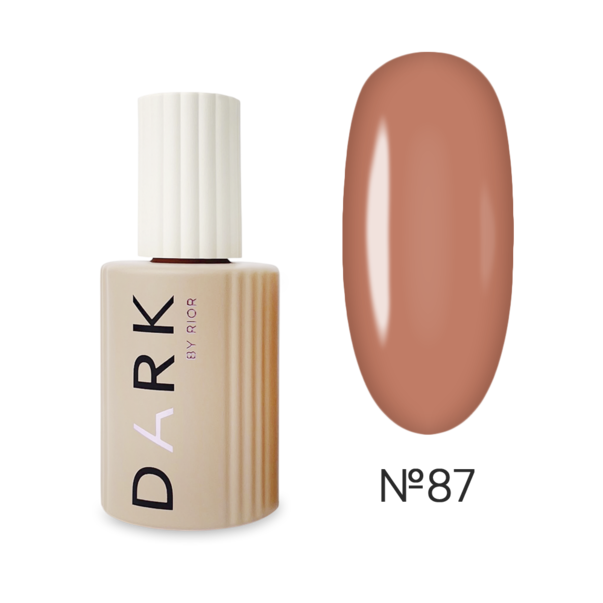
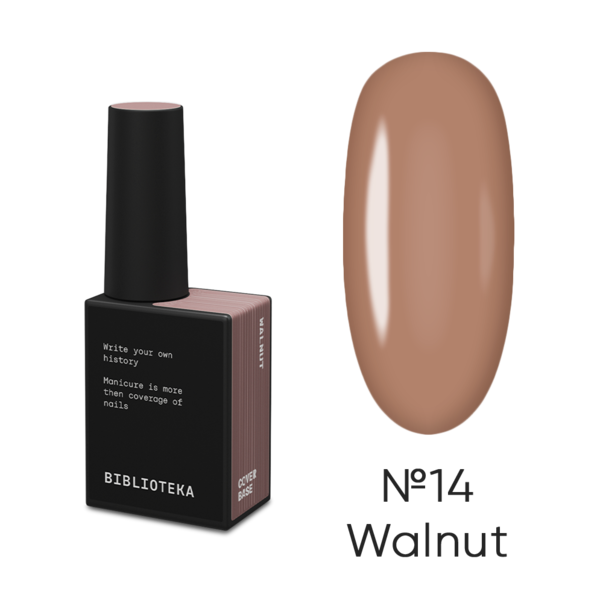
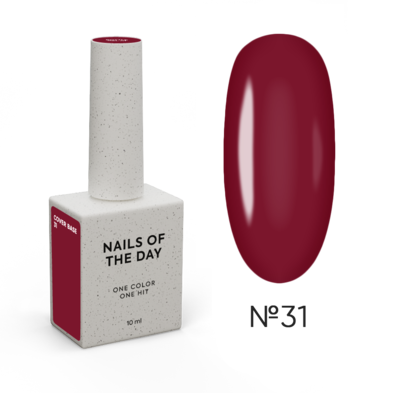
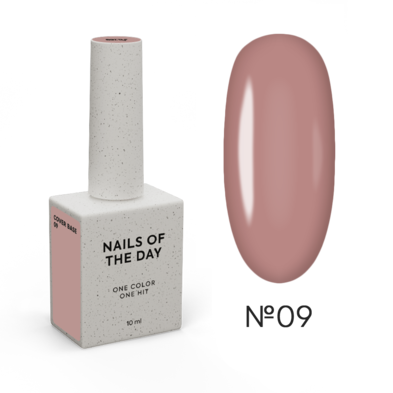
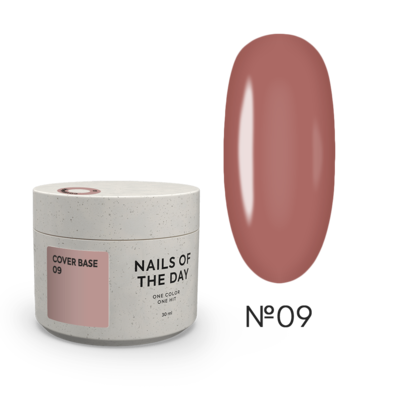
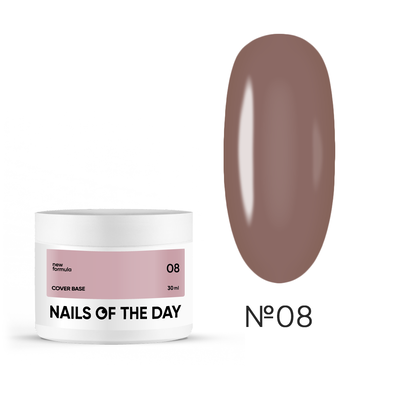
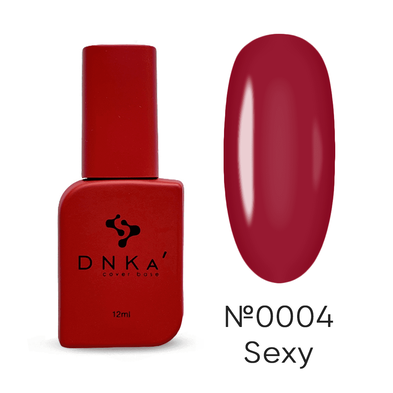
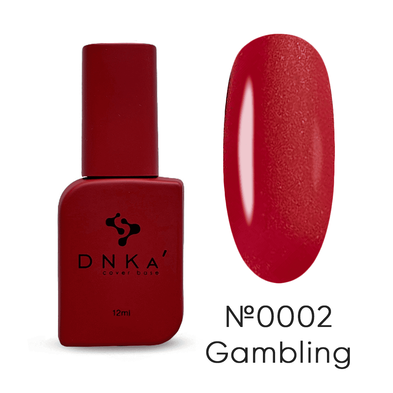
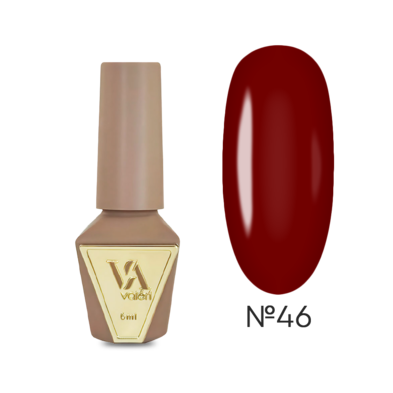
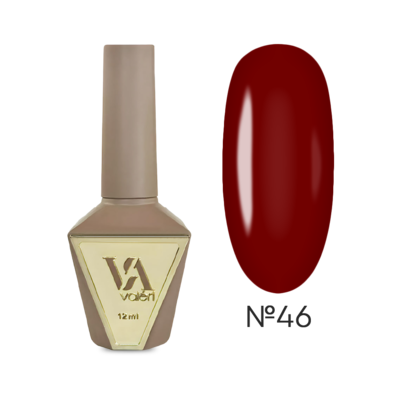
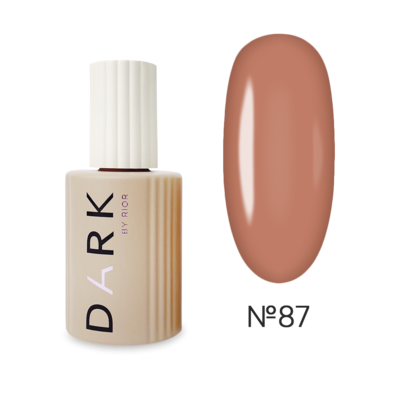
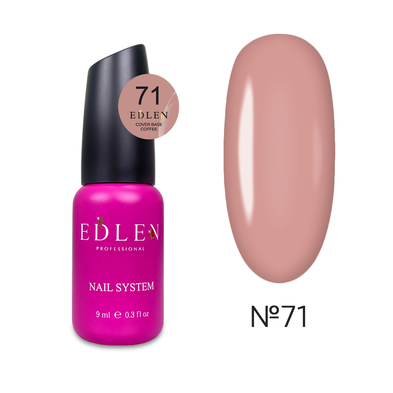
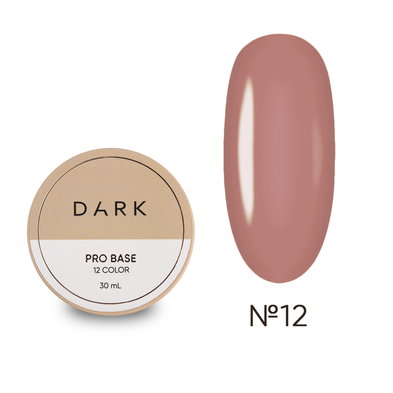
Terracotta base coats: a trendy, warm shade for quick and neat manicures









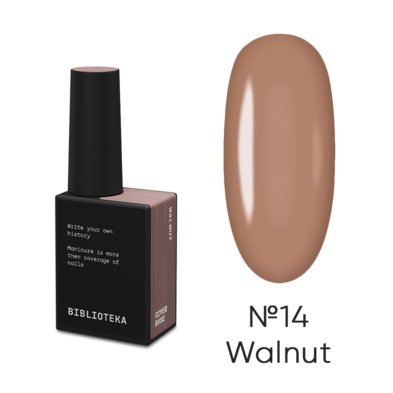

 Buy
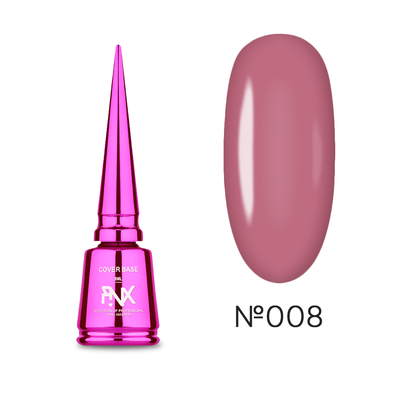 Buy
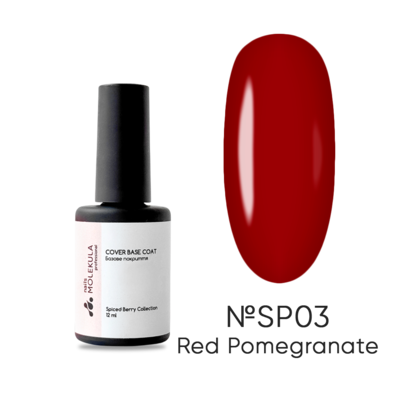 Buy
 Buy
 Buy
 Buy
 Buy
 Buy
 Buy
 Buy
 Buy
 Buy
 Buy
 Buy
 Buy
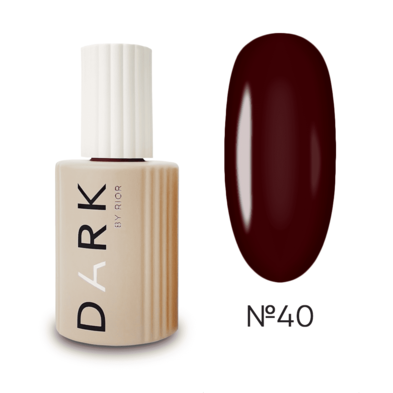 Buy
 Buy
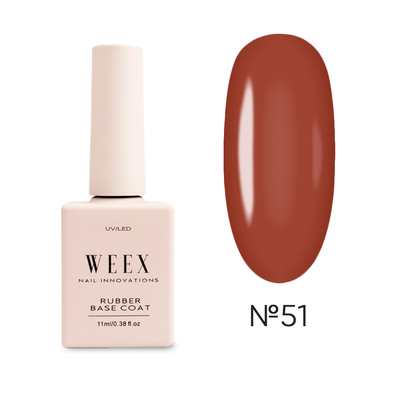
 Out of stock
when available
 Out of stock
when available
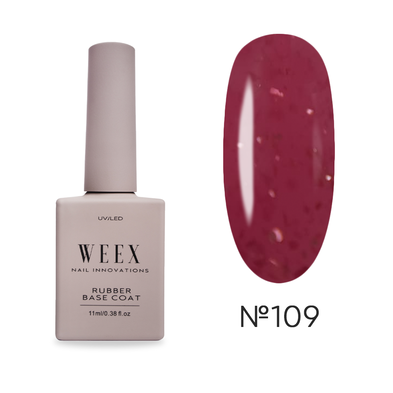 Out of stock
when available
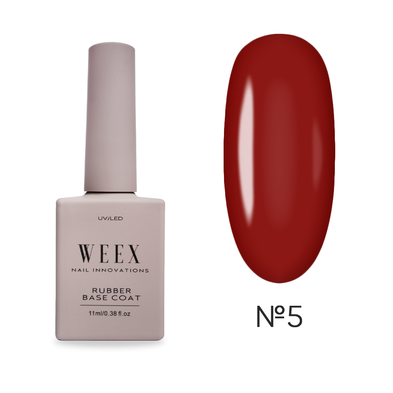 Out of stock
when available
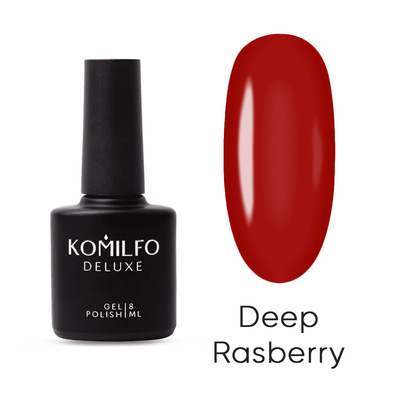 Out of stock
when available
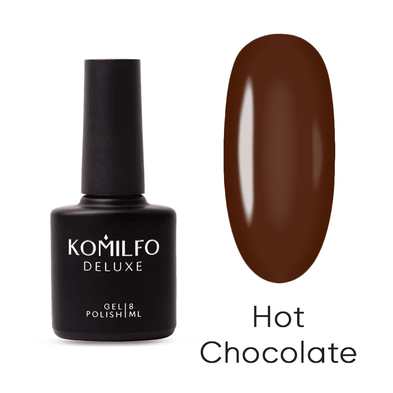 Out of stock
when available
- 1
- 2
- Next
Terracotta nail bases are colored coatings in a 2-in-1 format. They smooth the nail plate, improve adhesion, and provide a ready warm shade, so a separate layer of colored gel polish is no longer needed. This significantly speeds up the manicure process—on average, about 20–30 minutes of the technician's work is saved.
The material is suitable for solid coatings, minimalist designs, and calm accents. It helps visually smooth out minor nuances of the plate. It combines the properties of a classic base and colored material: it creates an adhesion layer, helps level the nail surface, and sets the shade of the coating.
Terracotta nail bases not only smooth the nail plate but also immediately provide a rich, noble tone. The terracotta here is a balance between earthy brown and spicy orange. Minimum steps, maximum speed, and impeccable appearance.
Characteristics of Terracotta Nail Bases
Terracotta bases differ in pigmentation, viscosity, coverage density, and degree of self-leveling. Most often, these are materials of medium or closer to thick consistency, which do not run too quickly and allow for a clean highlight. The pigment is dense enough to cover the nail in 1–2 layers.
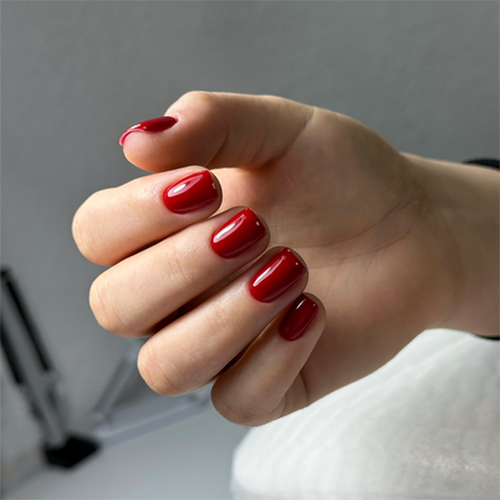
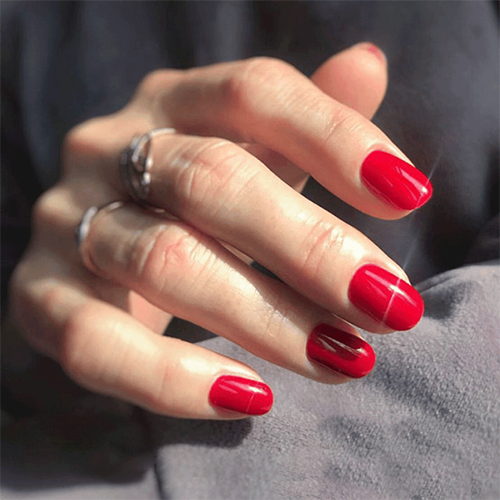
The ability to work without a separate colored gel polish is one of the main reasons why this category is so in demand among both technicians and clients. The terracotta nail base reduces the procedure time, masks minor visual defects, maintains stable architecture, and helps achieve a neat solid color.
Key Characteristics
| Parameter | Characteristic |
| Type of base | Colored for gel polish system |
| Viscosity level | Medium or medium-thick |
| Polymerization time | Usually 60–120 seconds in LED/UV lamp depending on the layer |
| Compatibility with lamp | LED, UV, hybrid lamps |
| Packaging form | Bottle with brush |
| Manufacturer | Depends on brands in the assortment |
| Shelf life | Specified by the manufacturer on the packaging |
| Storage conditions | In a dry place, away from direct light and overheating |
What does this provide for the technician and the client in practice? The technician gets a faster work cycle and clear material control, while the client receives a trendy warm shade that does not clash with the look and easily fits into everyday, business, and seasonal manicures.
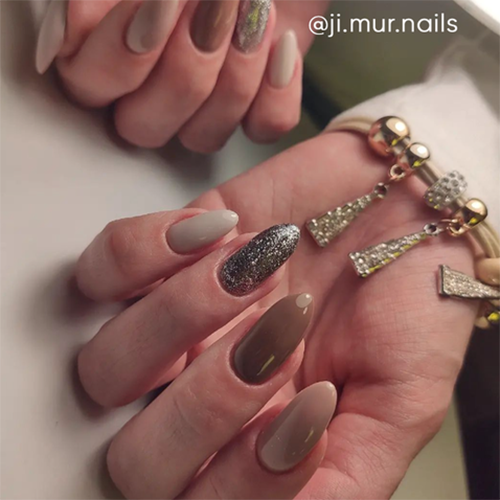
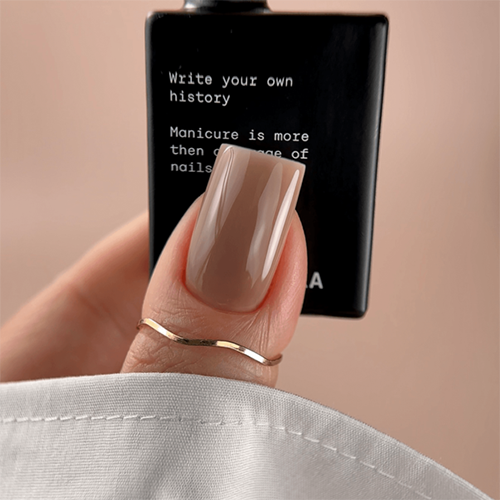
Main Advantages:
-
Reduce the number of steps. They level and immediately provide color, so a separate layer of gel polish is no longer needed.
-
Save time on the procedure. This is especially noticeable in quick salon coatings, as one full color application step is removed.
-
Help build a clean architecture. The self-leveling texture makes it easier to create a highlight and gives the nail silhouette a neater appearance.
-
Mask minor nuances of the plate. The pigment works softer than a transparent material and visually smooths the surface.
-
Suitable for self-application. The warm terracotta shade of the base looks complete even without design.
-
Easily combine with topcoats and decor. The material can be used under gloss, matte top, delicate shimmer, or minimalist accents.
-
Support the trend for a warm natural palette. The shade looks modern and is still wearable.
The brick-colored base for nails is especially convenient for quick salon manicures, where both speed and a neat expensive finish are important. The material addresses several tasks at once without unnecessary layering.
Types of Terracotta Bases: Shades, Density, and Effects
The camouflage base terracotta is not a single specific color but a whole collection of warm shades with varying depth and undertone. This is why, when choosing, it is important to consider the coverage density, warmth, and how the shade reveals itself on nails of different lengths and shapes.
-
Light terracotta – soft, calm, closer to warm nude; looks good on short and medium nails.
-
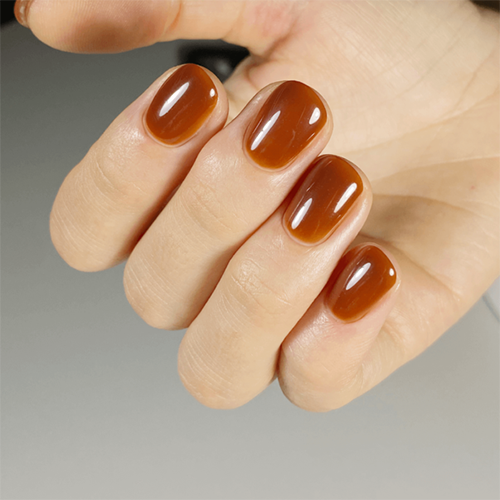
Brick terracotta – more saturated and expressive; adds character even in a solid color.
-
Caramel terracotta – warm, soft, visually delicate; works well in calm looks.
-
Red terracotta – deeper and more vibrant; suitable for those who want a warm accent without veering into classic red.
-
Brown terracotta – dense and composed; often provides the most expensive visual effect.
Light skin reveals caramel and soft shades well, while warmer or tanned skin suits brick, reddish, and brownish options. The higher the contrast between the shade and skin tone, the more pronounced the manicure with a terracotta base appears.
Why the Terracotta Shade Became a Trend in Manicure
Terracotta has become a noticeable trend not by chance. It is linked to the overall popularity of natural palettes, earthy shades, and calm warm solutions that look modern without excessive ostentation.
Terracotta lies between several understandable visual zones: brick, brown, and warm orange. Because of this, it remains layered and interesting. It pairs well with:
-
autumn and basic clothing;
-
nude and milky accents;
-
minimalist designs;
-
matte and glossy finishes;
-
short and medium lengths.
Another advantage of the trend is that terracotta gives the effect of an expensive solid color. It emphasizes the structure of the look, supports the warm palette of the wardrobe, and does not visually overload the hands.
Who Are Terracotta Bases for Manicure Suitable For?
For salon technicians. They are suitable for technicians who work in a tight schedule and value materials with clear application speed. A solid coating is completed faster because the material takes care of both leveling and color. This is convenient for express services, seasonal collections, and clients who want a trend without complex designs.
For clients who love warm shades. The autumn base for manicure terracotta is suitable for those who appreciate a natural, calm, yet not banal palette. It is neither classic beige nor bright orange. This shade looks like a nude with character: warm, composed, with a soft accent.
For short and medium nails. On short and medium lengths, terracotta bases work especially well. They make the shape visually neater, emphasize the architecture of the nail, and do not cut proportions. Due to the warm depth of the shade, the manicure looks cohesive and well-groomed.
How to Apply Terracotta Nail Base
The work is structured according to the standard logic of the gel polish system, but with consideration for the pigment and density of the material. Here, a thin base layer, thickness control, and correct polymerization are important.
-
Prepare the nail plate. First, remove any old coating, if present, and assess the condition of the nails. At this stage, the technician looks at the length, shape, overall geometry of the plate, and understands how much leveling will be needed next.
-
Shape the nail and treat the cuticle area. The nail is given a neat shape, the free edge is leveled, and the cuticle and sidewalls are carefully worked on.
-
Remove dust and degrease the surface. After filing and manicure, it is important to completely remove any dust residue to prevent it from interfering with the material's adhesion to the plate. Then the nail is degreased so that the burnt clay color base lays evenly and works stably across the entire surface.
-
Apply dehydrator and primer. This step is not always necessary but depends on the situation: for example, if the plate is more humid, difficult to wear, or the technician is working with a system where such preparation is recommended. The dehydrator removes excess moisture, while the primer helps enhance adhesion and durability of the coating.
-
Create a thin base layer. A thin rubbing layer helps create an adhesive foundation for subsequent leveling.
-
Level the nail. Next, the material is applied in a way that builds the correct highlight and neat architecture of the coating. At this stage, the base not only levels the plate but also provides a ready warm shade.
-
Polymerize the material in the lamp. After application and leveling, the coating is placed in the lamp for the time recommended by the manufacturer. It is important to fully cure the material, especially if the layer was modeling.
-
Seal with a topcoat. The final step seals the color, adds the desired finish, and protects the coating during wear. Depending on the task, a glossy top can be chosen for a deeper shade or a matte one if a calm velvety effect is needed.
A base layer is needed in cases where the technician wants to increase adhesion control, works with a more capricious plate, or uses the material in a denser application.
If the red-brown base holds architecture well and is suitable for self-application, it can work as the main colored layer without additional gel polish.
Ready Design Formulas from Staleks Masters:
-
terracotta solid color + gloss + short soft square;
-
terracotta color base + matte top + thin milky lines;
-
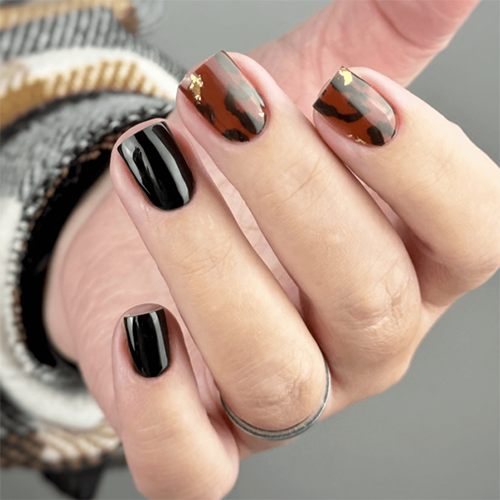
caramel terracotta + foil accent on 1–2 nails;
-
brick nail base + milky stamping + gloss;
-
red terracotta + negative space + thin geometry;
-
brown terracotta + matte top + minimalist design in beige.
Such formulas are convenient as they provide a clear scenario. The technician does not waste time on lengthy combination selection, while the client receives a modern manicure with good visual balance.
How to Choose a Terracotta Nail Base: Table
| Parameter | Recommendation | Why |
| Density | Medium or medium-thick for leveling | This makes it easier to control architecture and highlight |
| Degree of pigmentation | Medium or dense | Allows the material to be used as a standalone coating |
| Acidity | Choose according to the brand system and type of work | This affects compatibility and material behavior |
| Type | Rubber, builder, camouflage | Different formats solve different adhesion and leveling tasks |
| Bottle volume | Based on schedule and frequency of use | More practical volumes are convenient for salons, while compact ones are good for testing |
| Brush convenience | Even cut and comfortable length | The brush affects the speed of application at the cuticle and along the sidewalls |
Common Mistakes When Choosing and Using
Even a good clay shade base will not yield a clean result if the material is not chosen for the task or the technique of work violates the logic of the system.
-
Choosing only by color in the bottle—the shade may reveal differently on the nail due to undertone and pigment density.
-
Applying too thick a layer at once—this worsens architecture control and can result in an unkempt volume.
-
Ignoring viscosity—too liquid material complicates leveling, while too dense requires a steady hand.
-
Underestimating the role of the brush—an uncomfortable brush slows down work and complicates clean application at the cuticle.
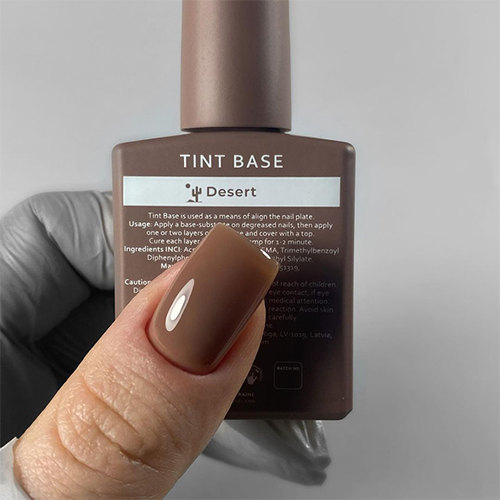
To avoid mistakes, Staleks experts recommend selecting material for a specific scenario: quick solid color, leveling, minimalist design, or working with short lengths.
Q&A on Terracotta Nail Bases: Questions for the Expert
-
Can terracotta base be used with gel polish? Yes, it can. It can be a standalone coating or used as a colored base under design or an additional tint layer.
-
Is the terracotta base suitable for beginners? Yes, if a medium viscosity material is chosen and the nail is not overloaded with thickness.
-
How does the colored terracotta base differ from the camouflage nude? It provides a warmer and more expressive shade. Nude works more neutrally, while terracotta creates a more noticeable accent.
-
On which shapes does terracotta look best? It looks great on soft square, oval, and almond shapes of short or medium length, as it emphasizes neat proportions and a clean silhouette.
Where to Buy Terracotta Nail Bases in Ukraine and Worldwide
If you want to buy a terracotta base, consider the assortment of the Staleks online store. Here, you can find materials for manicure, tools, and related products for technicians and clients. We keep track of catalog updates to ensure you always have access to the most sought-after colors and reliable tools.
Buyers have access to product cards with up-to-date information on prices and availability. Additionally, qualified support is available for material selection. Orders can be received with delivery across Ukraine, international shipping, or through pickup from the Staleks Shop & Service network of branded stores.
Key Takeaways
-
Terracotta nail bases work on the principle of 2-in-1: leveling + color.
-
They are suitable for quick solid manicures without a separate layer of gel polish.
-
The shade looks trendy due to the warm earthy palette.
-
The material helps mask minor nuances of the nail plate.
-
It reveals best with the right selection of viscosity and pigmentation.
-
It easily combines with matte and glossy topcoats.
-
When choosing, it is important to consider the type of coating, brush, volume, and system compatibility.
-
At Staleks, it is convenient to track the assortment, prices, and current availability.
Conclusion
Terracotta nail bases represent a successful balance of trend, practicality, and the speed of the technician's work. They are suitable for solid coatings, minimalist designs, and a warm current palette that looks luxurious and calm.
If you need an orange-brown base that works not only as a beautiful shade but also as a convenient tool in salon practice, the terracotta segment is definitely worth considering in the Staleks assortment.
Bases for gel polish Cost on staleks.ua
Terracotta base coats: a trendy, warm shade for quick and neat manicures - customer reviews