Cuticle drill bit















 In stock
 Buy
 In stock Buy
 In stock Buy
 In stock Buy
 In stock Buy
 In stock Buy
 In stock Buy
 In stock Buy
 In stock Buy
 In stock Buy
 In stock Buy
 In stock Buy
 In stock Buy
 In stock Buy
 In stock Buy
 In stock Buy
 In stock Buy
 In stock Buy
 In stock Buy
 In stock Buy
 In stock Buy
 In stock Buy
 In stock Buy
- 1
- 2
- 3
- 4
- 5
- 25
- Next
Cuticle Drill: Everything You Need to Know
Effective and safe hardware manicure, alongside the classic method, has firmly entered our lives. It has become popular among nail art professionals and their clients. One of the essential components of a manicure with a drill is the cuticle drill, the varieties of which are presented in the catalog. The quality of the manicure, as well as the comfort and safety of the procedure, depend on the correct choice of this tool.
Types of Drill Attachments
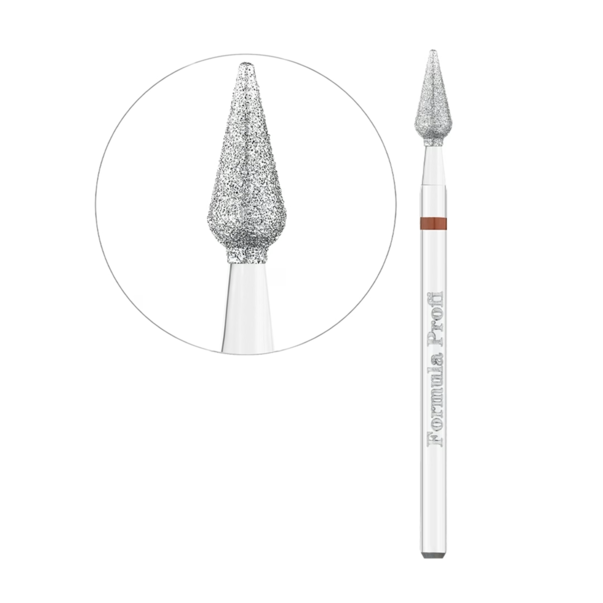
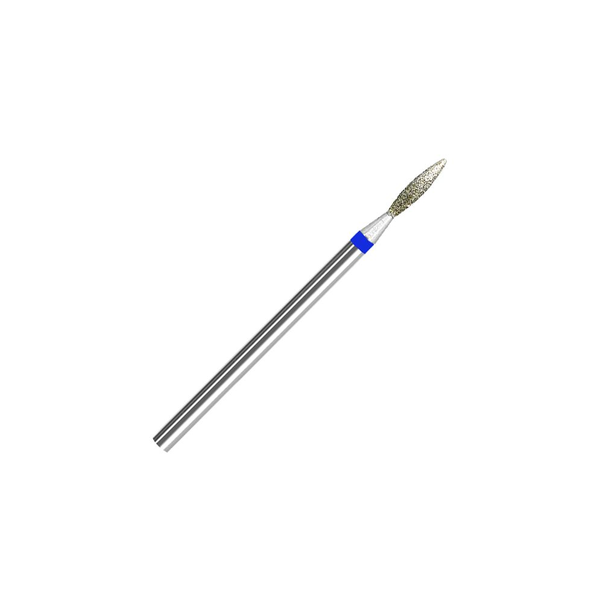
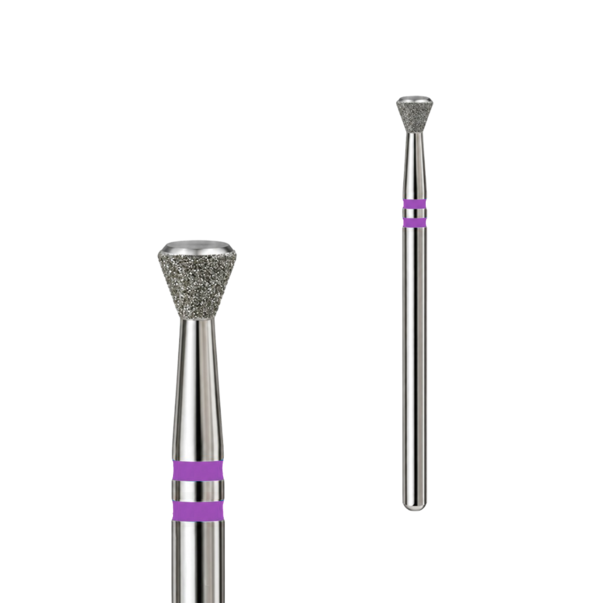
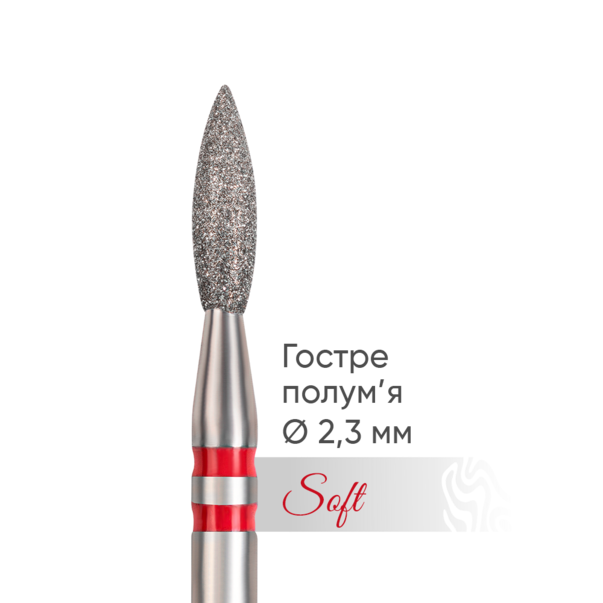
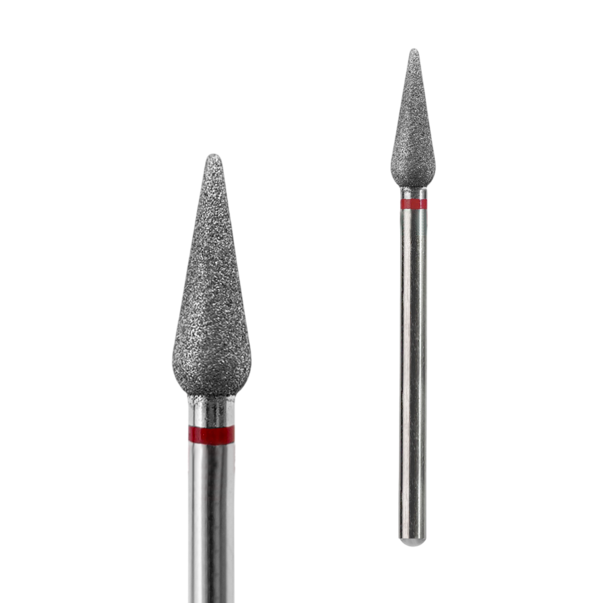
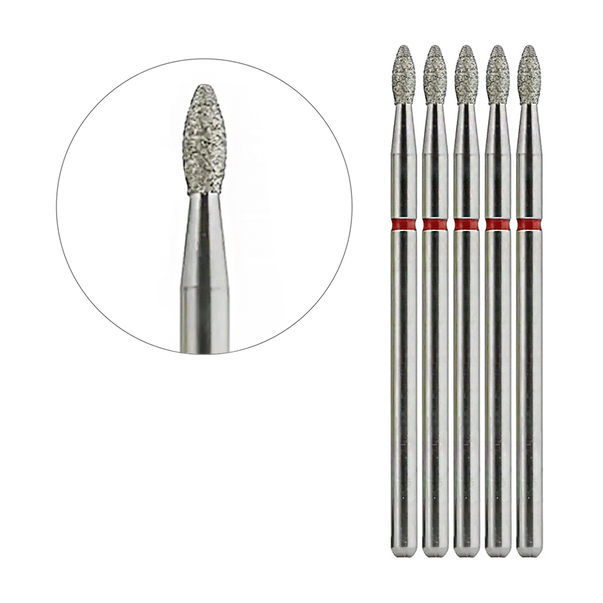
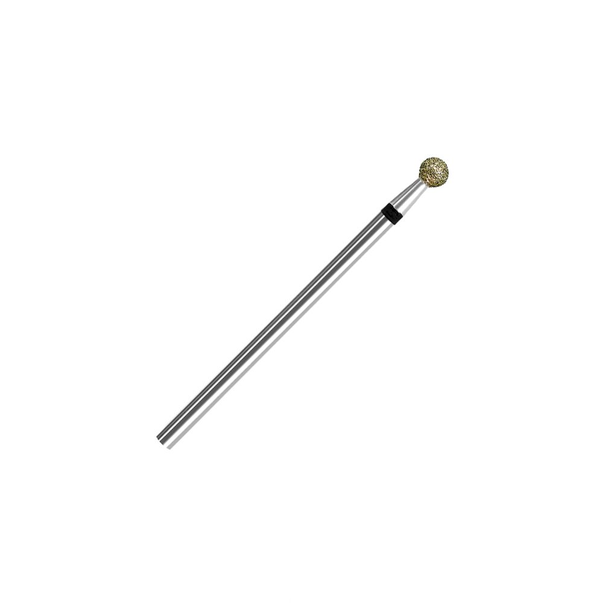
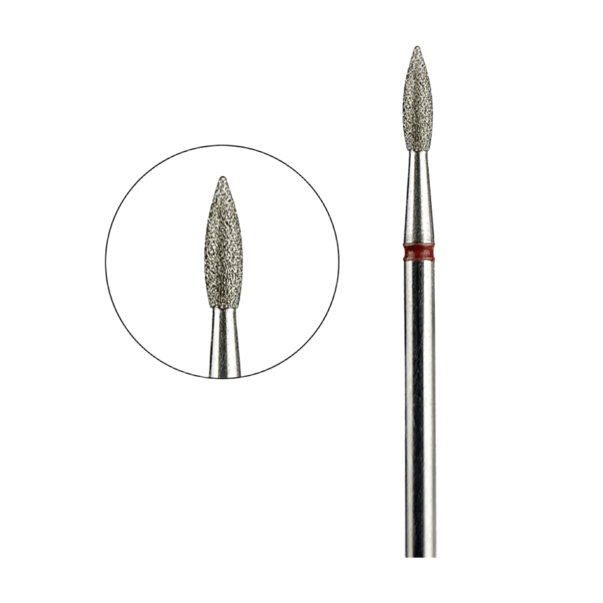
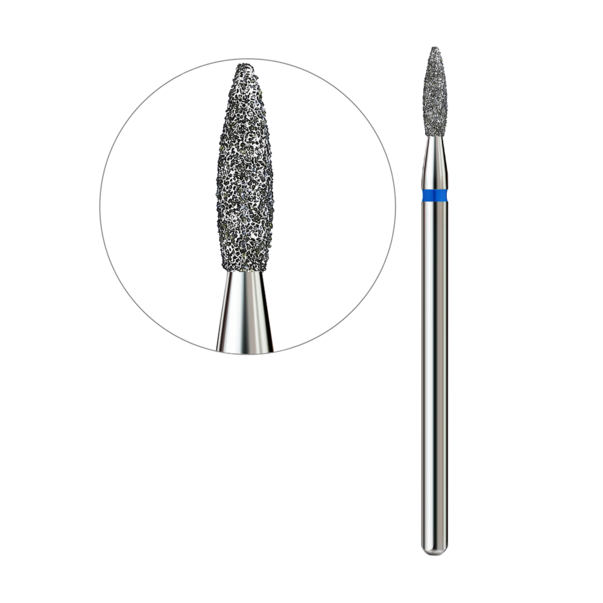
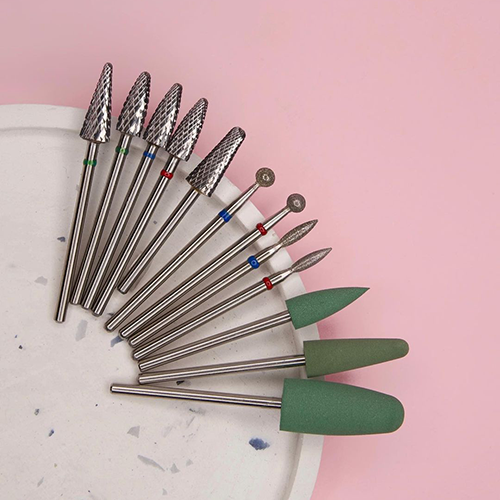
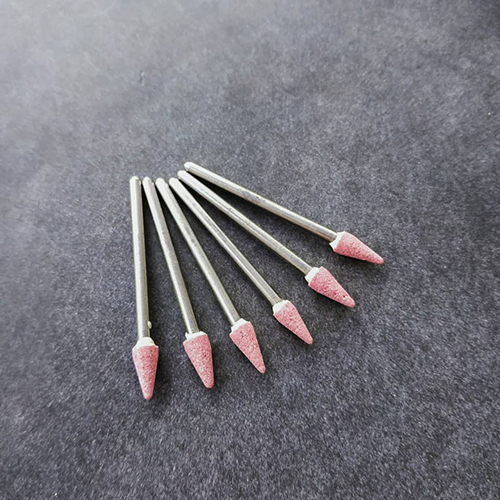
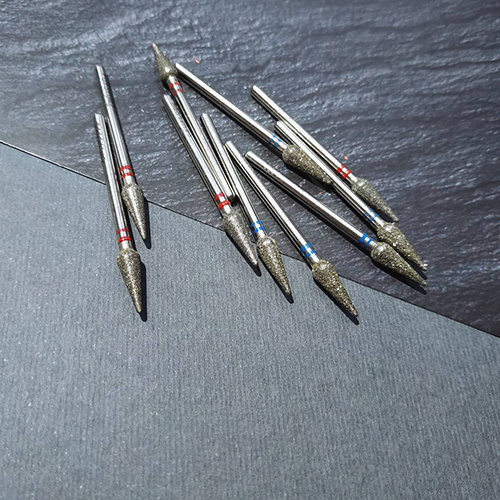
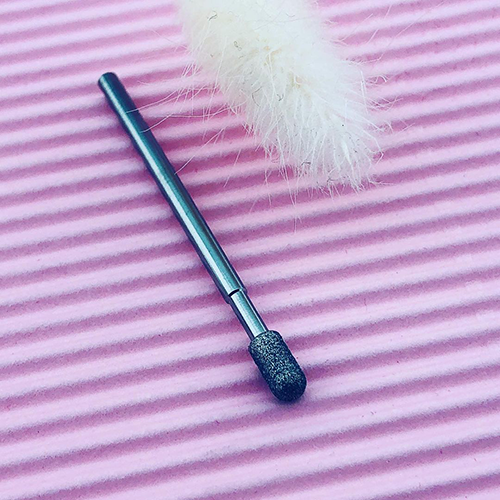
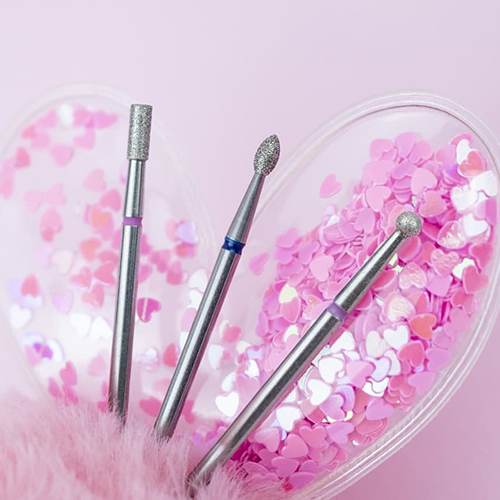
The cuticle drill, the photo of which can be seen here, is defined by several components. First and foremost is the material from which it is made. Let us take a closer look at each type, their features, and differences.
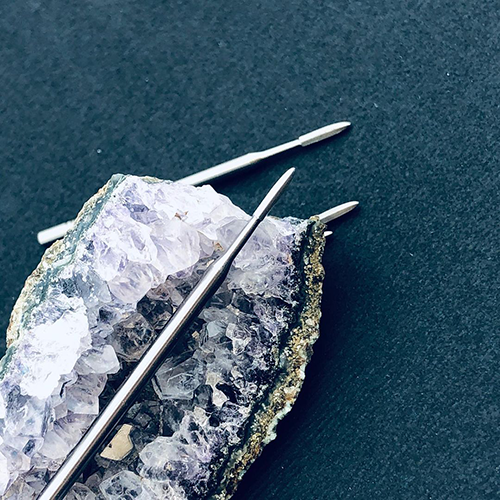
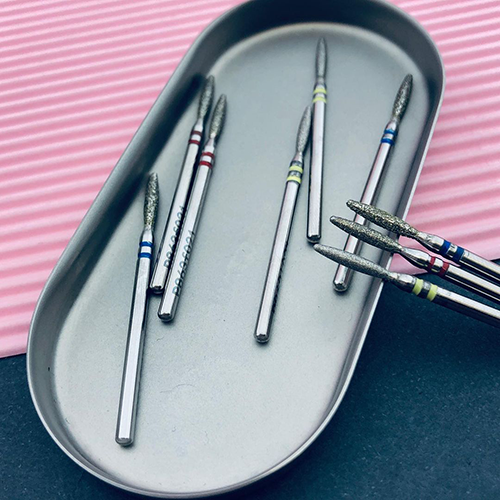
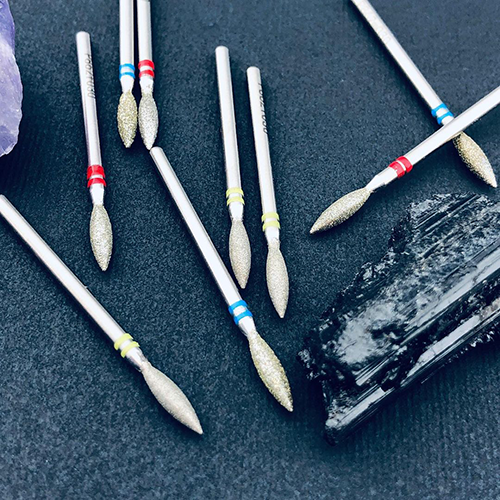
- Diamond Attachment for Cuticles — the hardest and most wear-resistant, suitable for experienced professionals and used for working with hard and calloused skin, in manicure and pedicure.
- Ceramic — with a gentle action, suitable for treating thin and sensitive skin, minimizing the risk of injury. They are comparable to carbide attachments, but work more gently on the skin and rarely overheat at high speeds. Ceramic attachments are very durable, long-lasting, and resistant to corrosion.
- Corundum — an optimal cuticle drill that beginners should consider purchasing. With this attachment, there is less chance of damaging the skin if one adapts to the rapid heating — maintaining a low speed or allowing time for cooling.
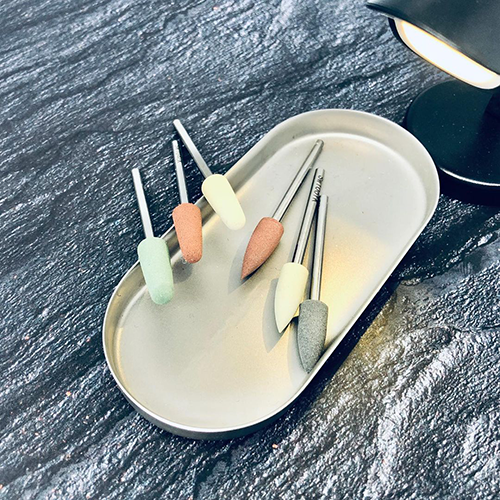
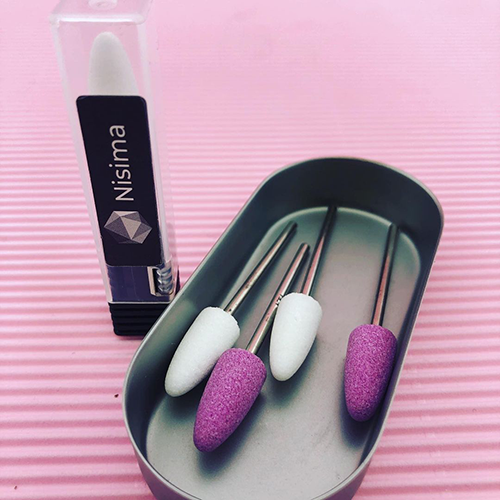
- Silicone Polishers — used for polishing the skin. Silicone drill consists of a small handle and interchangeable attachments of varying hardness. Silicone attachments gently and effectively treat the skin around the nails without causing pain or irritation. They can be changed without replacing the entire tool. The silicone cuticle drill attachment requires certain skills and caution in use. It can have different abrasiveness, which should be chosen based on the principle — fine for thin skin, coarse for tougher skin. Start processing at a low speed, gradually increasing it while applying moderate pressure. Move from the center to the edges of the nail plate.
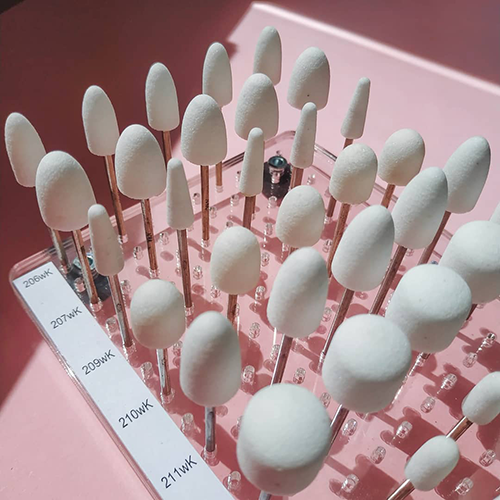
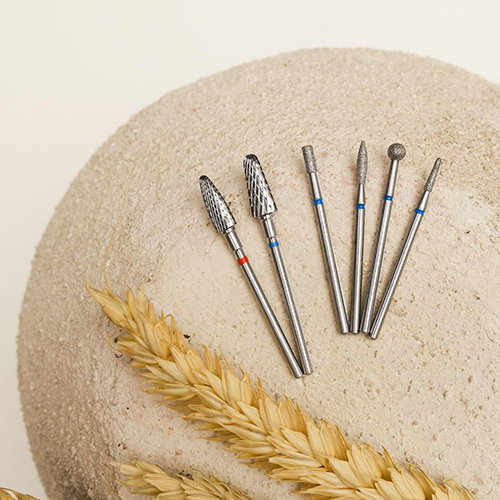
Cuticle Drill Attachment by Shape
Attachments have different purposes depending on the shape and type of the working part of the tip. Let us take a closer look at how to use them correctly.
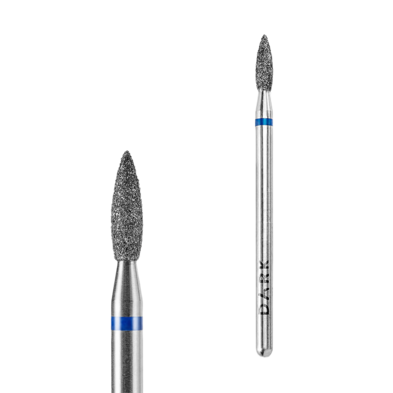
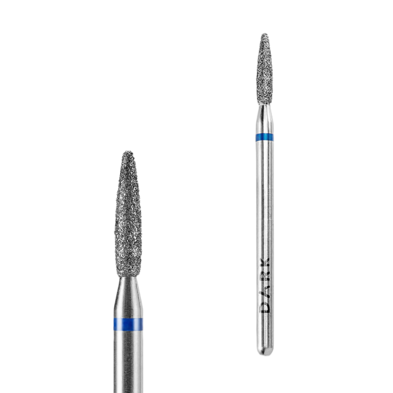
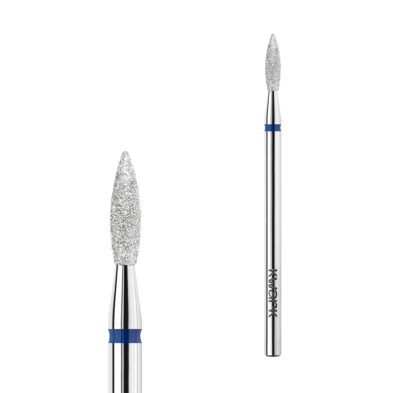
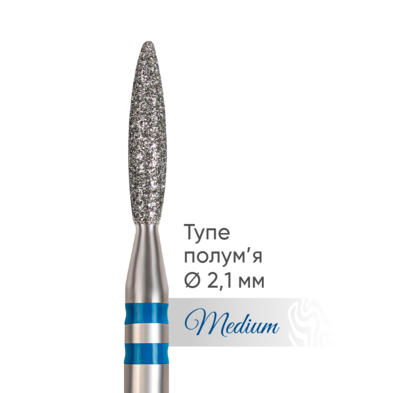
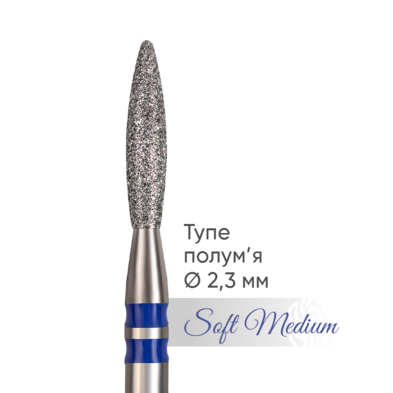
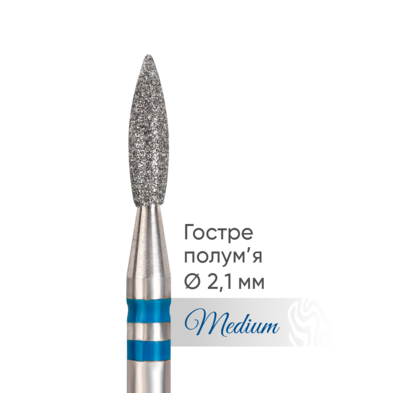
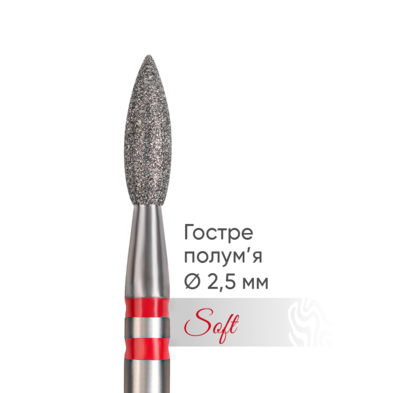
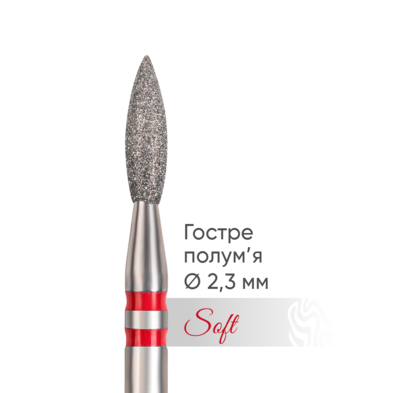
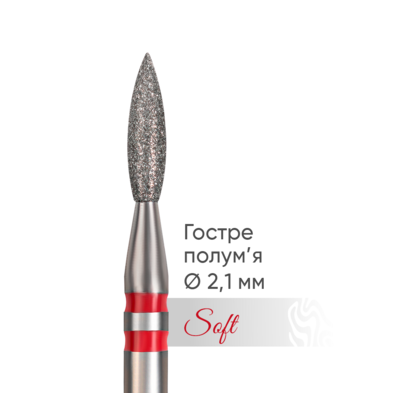
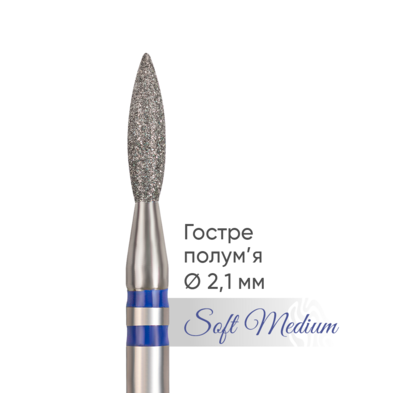
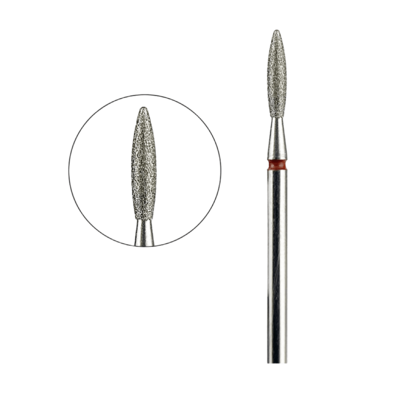
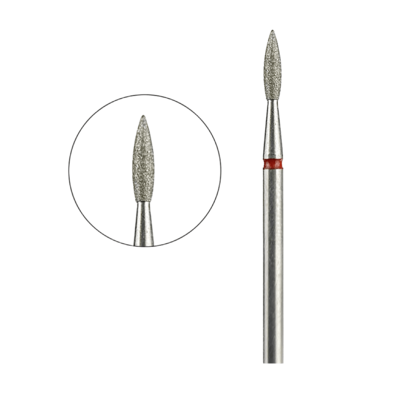
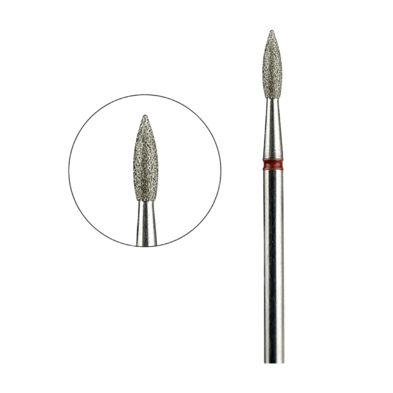
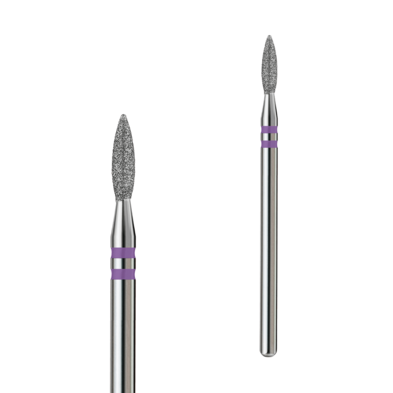
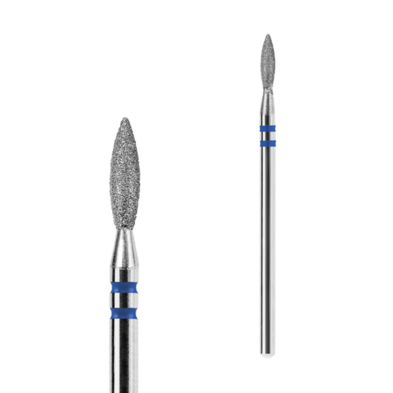
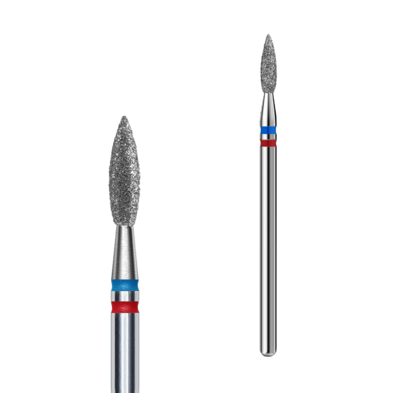
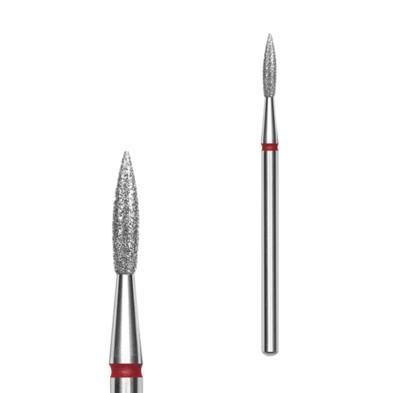
- Flame — a drill for lifting the cuticle. This shape is also suitable for cleaning the side rollers and the skin around the nail plate, creating a neat and well-groomed appearance. Thanks to the narrow tip of the attachment, it works very precisely, with minimal risk of damaging the skin.
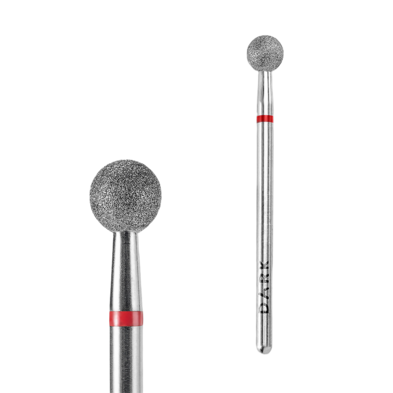
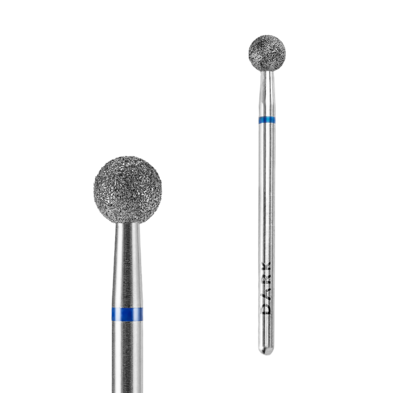
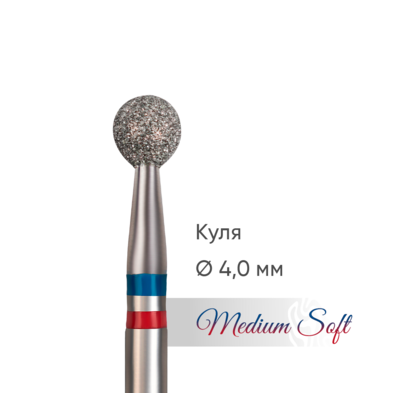
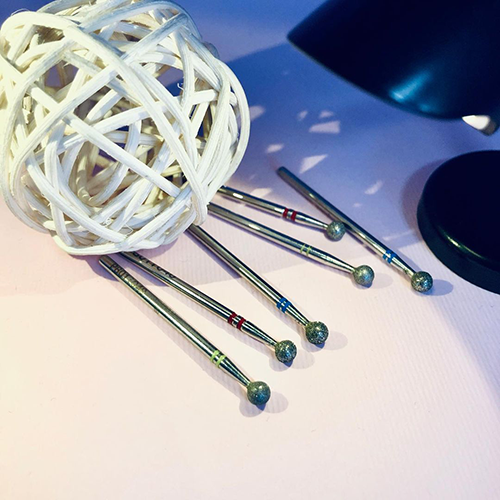
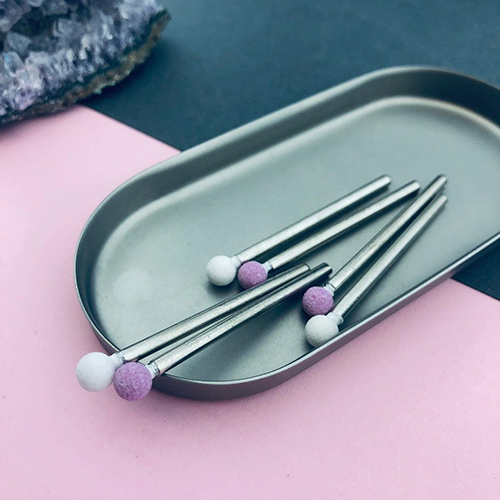
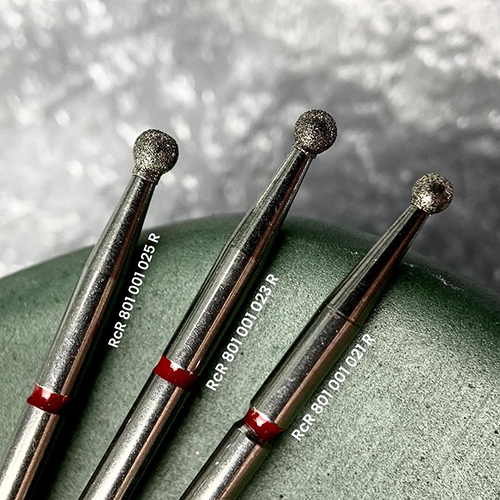
- Ball. A drill for removing the cuticle and delicately treating difficult areas. The ball-shaped attachment evenly and gently affects the skin, reducing the risk of cuts and injuries. It is effective for working with side rollers and hard-to-reach areas where high precision is required. A small ball is used as a drill for removing pterygium, while a medium-sized one is for the skin. Using a ball drill helps create even and smooth cuticle contours, improving the overall appearance of the manicure. Suitable for both professional and home use.
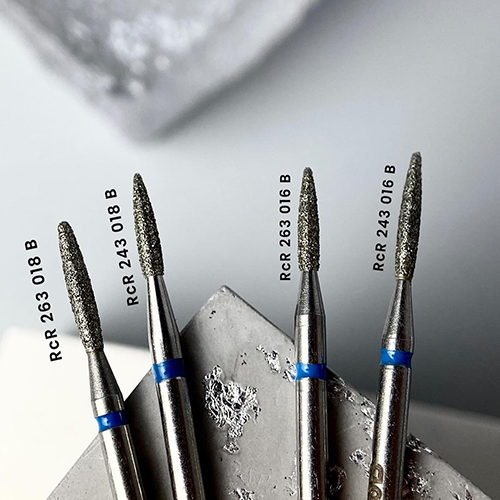
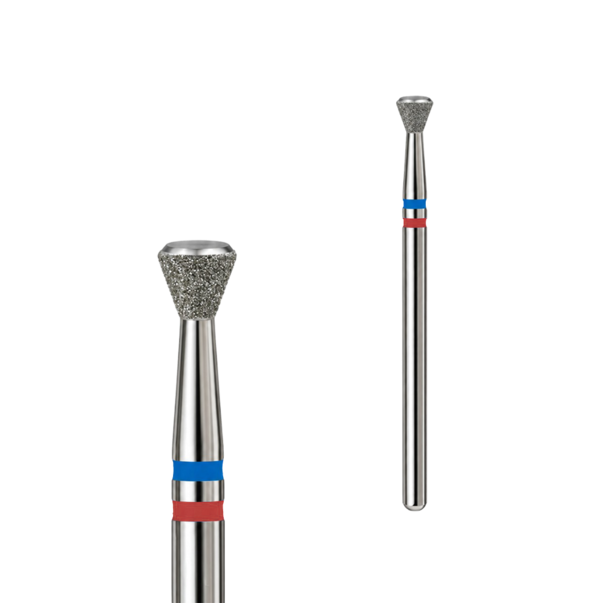
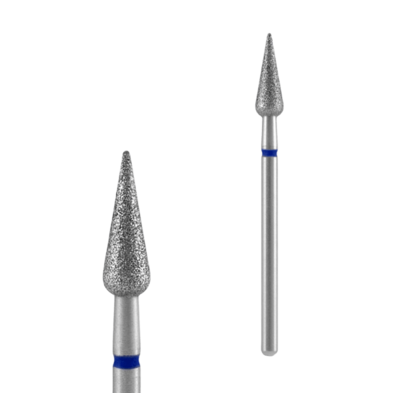
- Cone. A convenient drill for opening the cuticle, creating a French manicure. The conical shape is used at a 90-degree angle. Not all professionals find it easy to work with, but it is worth trying to determine its effectiveness.
- Bullet. Thanks to its pointed shape, it works precisely in hard-to-reach areas, creating a neat and safe manicure. This attachment is convenient for both professional and home use, used as a drill for treating the cuticle and side rollers.
- Needle. The needle-shaped cuticle drill is designed for precise and delicate treatment of the cuticle and side rollers. Its thin and sharp shape easily penetrates difficult areas, removing calloused skin without damage. It is a suitable attachment for lifting the cuticle, especially effective for removing ingrown hairs and minor skin defects, helping to give the skin around the nails a neat and well-groomed appearance. Using a needle-shaped drill reduces the risk of injury since it works gently and thoroughly. Suitable for both professional use in salons and for home manicures, it guarantees high quality and safety of the procedure, optimal as a drill for pterygium, as it is usually very thin.
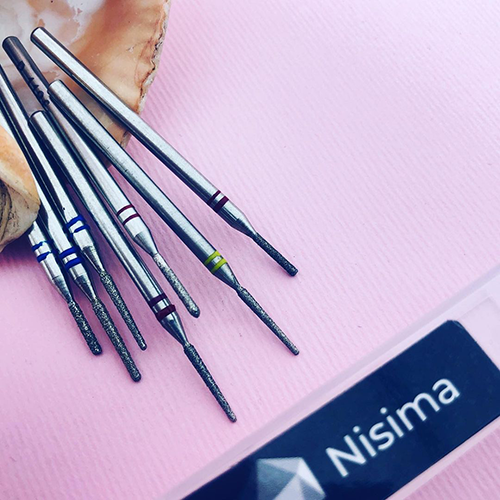
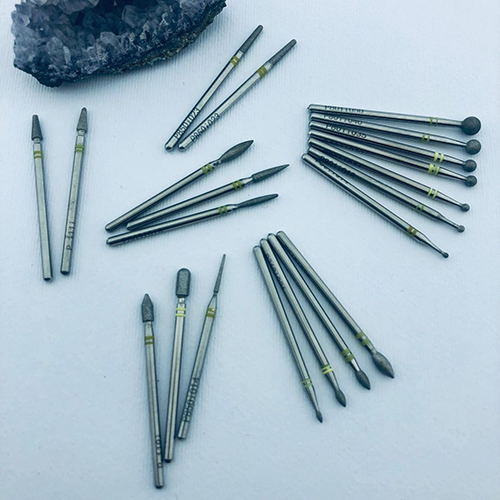
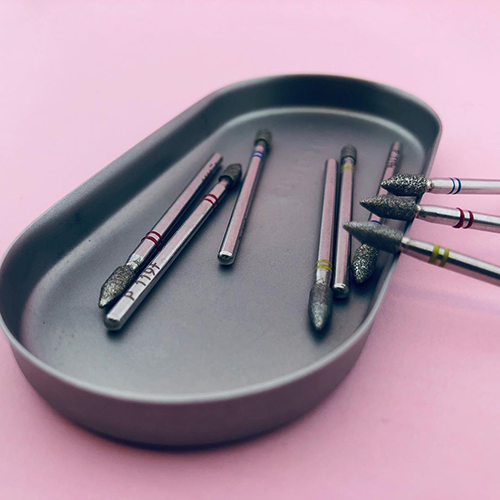
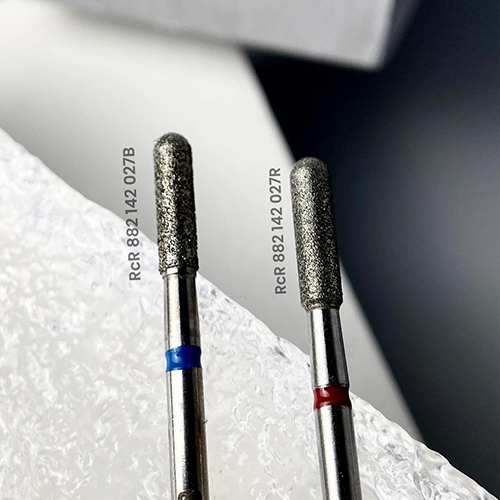
- Rounded Cylinder. A drill in the shape of a rounded cylinder is suitable for gentle and even treatment of the skin and nail plate. Thanks to this shape, it effectively removes calloused skin and polishes the nails without causing irritation or damage. This attachment is convenient for working on large surfaces, making it easy to create smooth transitions during treatment. It is a versatile tool suitable for both manicure and pedicure, optimal as a drill for cutting the cuticle and neatly treating side rollers.
- Drop. Thanks to its pointed yet rounded shape, it carefully removes calloused skin, minimizing the risk of damage. The drill is convenient for working in hard-to-reach areas, for thorough cleaning and preparing the nail plate. Suitable for professional use in salons and for home manicures. This is an excellent drill for cleaning the cuticle and treating the skin around the nails.
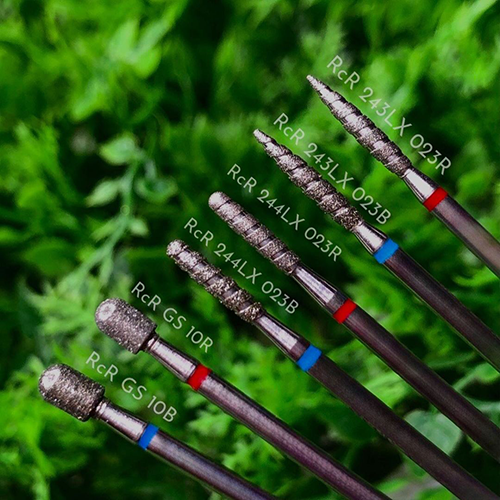
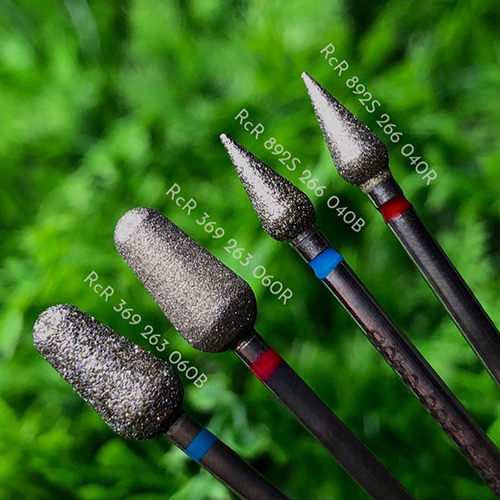
Abrasiveness of Manicure Attachments
- Very Soft (red marking): for polishing and grinding.
- Soft (blue marking): for gentle treatment of the skin.
- Medium (green marking): attachment for cuticle removal and for universal treatment.
- Hard (yellow marking): for rough treatment of calloused skin.
Cuticle Attachment in Hardware Manicure: Advantages
- Effectiveness. The cuticle drill attachment quickly and efficiently removes calloused areas of skin, creating a smooth surface.
- Safety. When used correctly, the risk of injuries and damages is minimal.
- Durability. A high-quality cuticle cutting drill lasts a long time, making it a worthwhile purchase.
- Client Comfort. Hardware manicure with attachments is less traumatic and more comfortable for clients compared to classic methods.
How to Choose a Drill for Removing Periungual Skin
When choosing an attachment for trimming and grinding periungual skin, it is necessary to consider:
- Skill Level. Beginners are recommended to use corundum or ceramic tools with soft and medium abrasiveness.
- Type and Condition of Periungual Skin. For thin and delicate skin, the optimal choice is attachments for cuticle treatment with soft abrasiveness; for roughened skin – with hard abrasiveness.
- Desired Result. For pushing back the skin around the nail, use "flame" or "cone" products; for delicate treatment – "ball" or "bullet."
Recommendations for Using Manicure Attachments
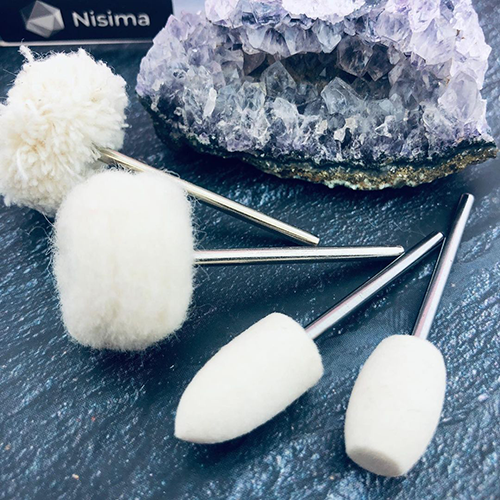
- Before use, the cuticle drill attachment is disinfected.
- Work with the tool using light movements, without pressing on the skin.
- During treatment, monitor the movement of the attachment.
- A cuticle cutting drill with damaged coating should not be used.
Care and Disinfection of Manicure Attachments for Skin
To maintain manicure drills in working condition, it is necessary to follow care rules:
- Cleaning. After each use, the cuticle drill attachment is cleaned by the technician from skin remnants and dust.
- Disinfection. This is a mandatory procedure to prevent the spread of infections.
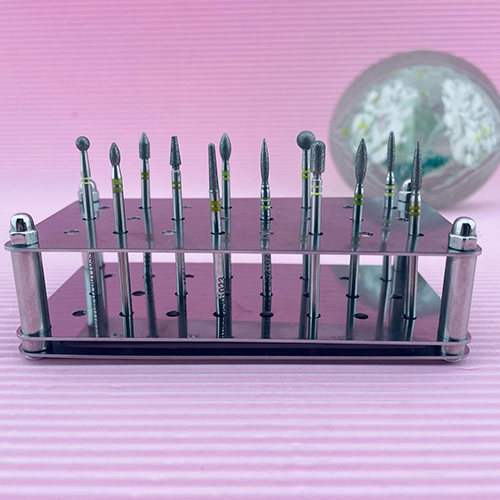
- Storage. Drills should be stored in a dry, clean place, in special boxes.
An indispensable tool for hardware manicure is the cuticle drill. Its correct choice and use are very important for achieving good results, ensuring that manicures are performed safely and comfortably for clients.
This is important! Before using attachments, it is necessary to undergo training or familiarize yourself with the instructions. Do not use drills if you are not confident in your actions. If you have any questions, consult an experienced technician.
Nail drill bit Cost on staleks.ua
Cuticle drill bit - customer reviews