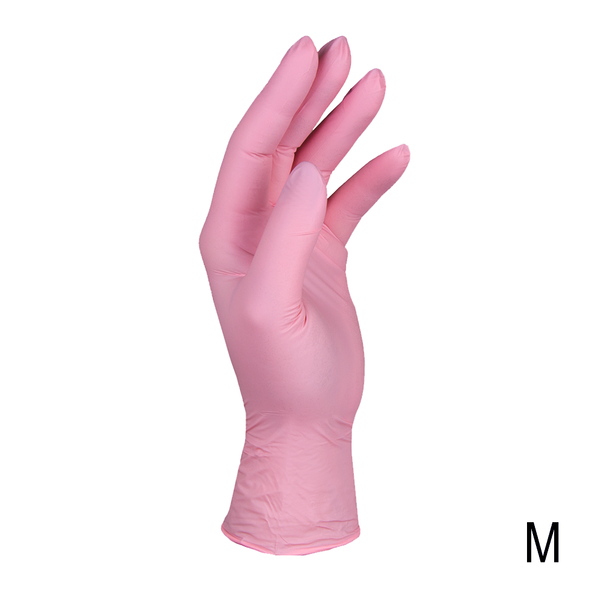
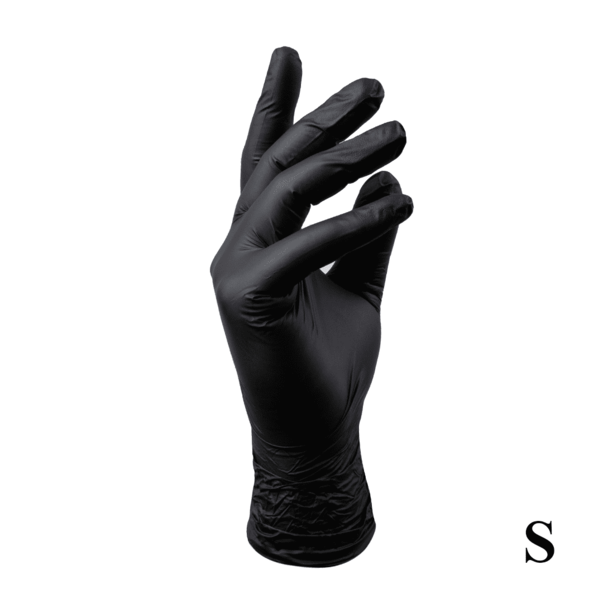
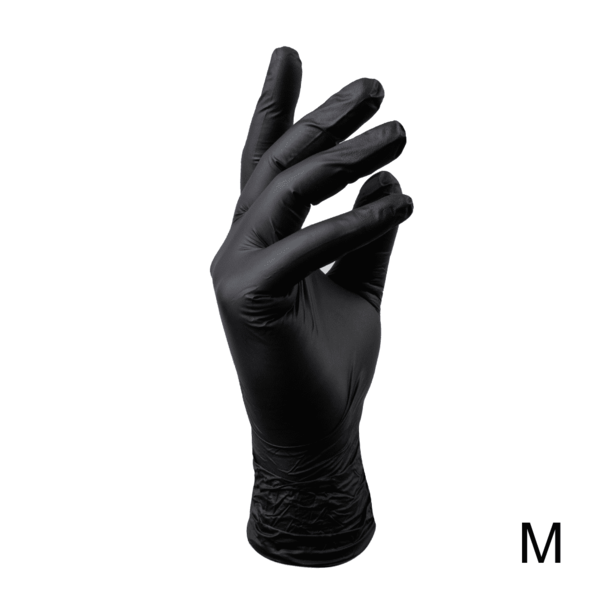
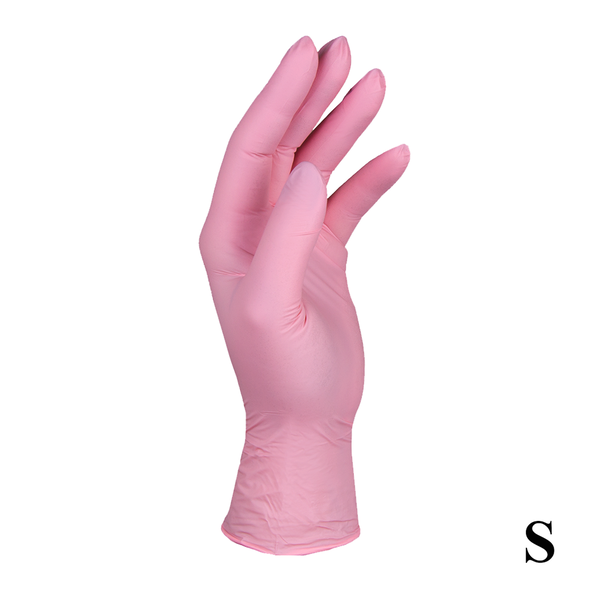
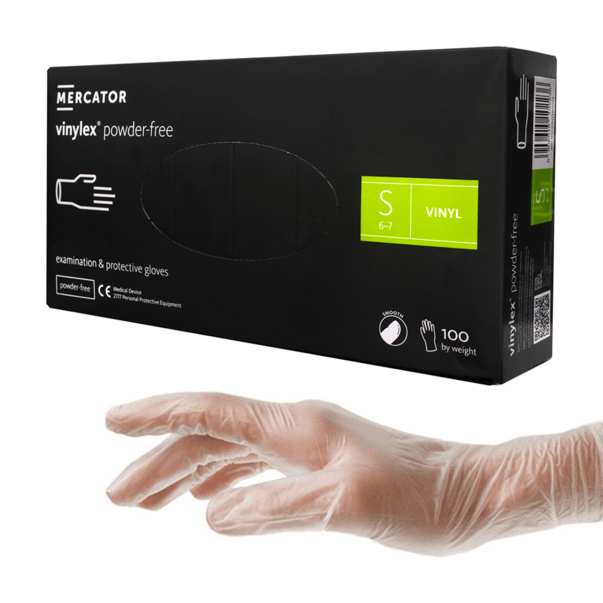
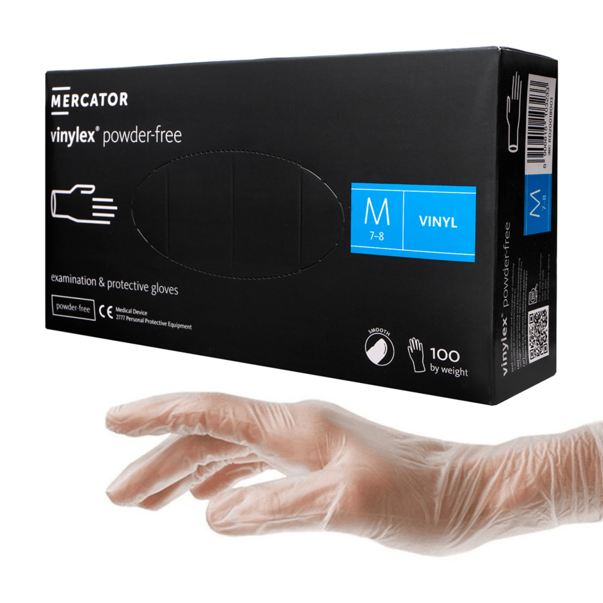
Mercator gloves
 In stock
 Buy
 In stock Buy
 In stock Buy
 In stock Buy
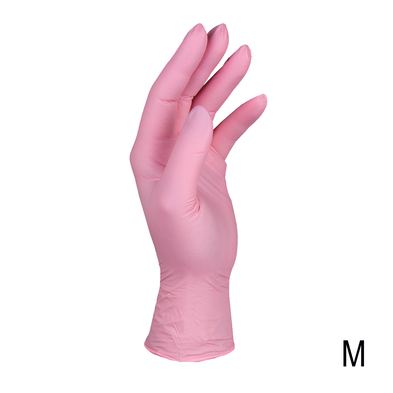 In stock Buy
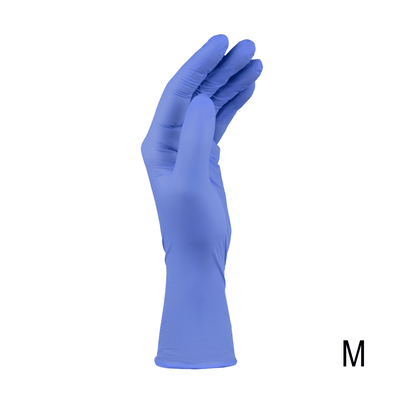 In stock Buy
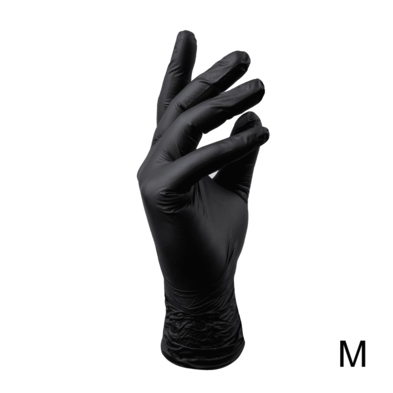 In stock Buy
 Out of stock
when available
 Out of stock
when available
 Out of stock
when available

When working in medicine, the beauty industry, or food production, gloves become almost a second skin. And here is where it gets interesting: it seems that there is not much difference, but once you try a quality product, you won't want to go back to what you had before. Many have had this experience with Mercator Medical products.
What are Mercator gloves and why is everyone talking about them
The Mercator Medical brand hails from Poland, and professionals across Europe have quickly recognized its value. The company focuses solely on medical products—and this is immediately noticeable. When a manufacturer does not spread itself thin across a multitude of different products but works within one field, the results are always better.
There is an interesting detail: many doctors and cosmetologists say that their hands tire less in these gloves. When working 10–12 hours, this is not just a convenience but a real advantage. The material does not restrict movement and does not leave the feeling of having a plastic bag on your hands—something everyone has experienced when using cheap gloves at least once.
Mercator gloves: understanding the assortment
The brand has several lines, each tailored for specific tasks.
-
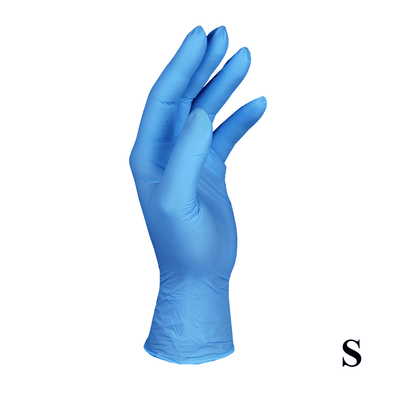
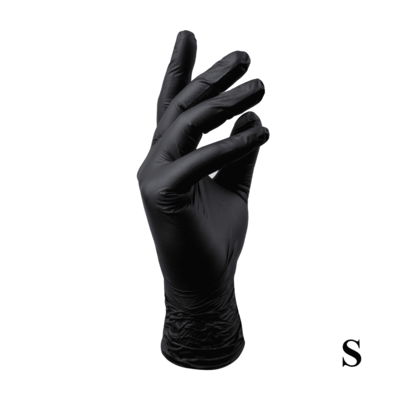
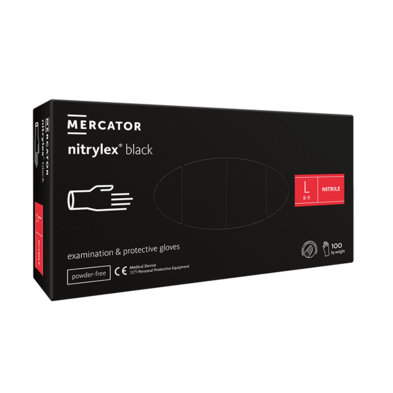
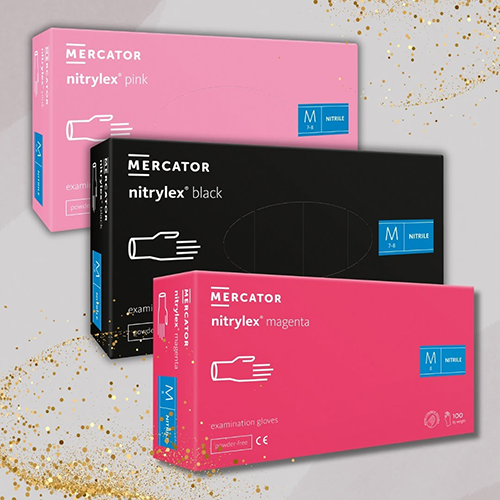
Nitrile models are true workhorses. They are stronger than latex, do not cause allergies, and provide excellent protection against chemicals. If you need to work with disinfectants, dyes, or aggressive compounds—nitrile will handle it without any problems.
-
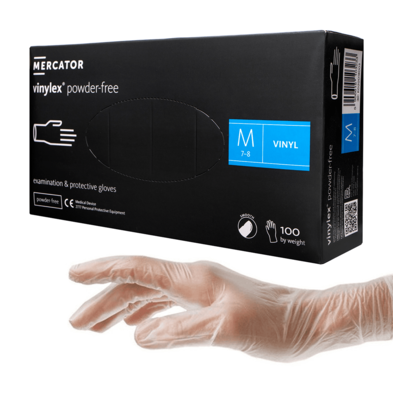
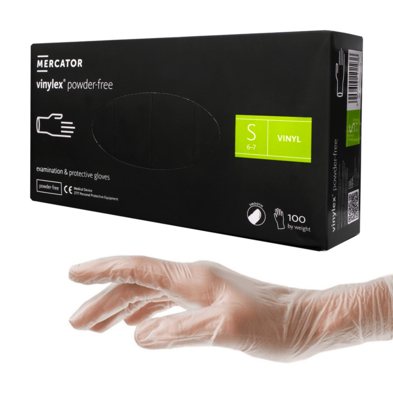
Vinyl options are suitable for tasks where super strength is not required, but cost-effectiveness is important. In the food industry or during cosmetic procedures without the use of chemicals. They are thinner, cheaper, yet perform their function excellently.
-
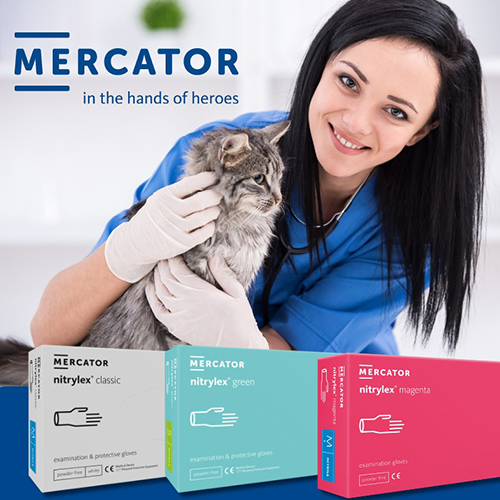
Mercator Medical latex gloves are the classic choice. They are incredibly tactile, allowing the hand to feel even the smallest details. Surgeons and dentists often prefer latex for this reason. However, there is a nuance regarding potential allergies to latex protein, but the manufacturer has taken this into account and produces hypoallergenic versions.
Mercator gloves: secrets of technology
Let’s take a closer look at how these products are made. First, it should be noted that powdered options have almost been pushed out of the market by unpowdered ones. Previously, powder (usually corn starch) was used to make gloves easier to put on. However, it turned out that this powder can cause irritation, allergic reactions, and even problems with wound healing. Mercator was one of the first to switch to chlorination of the inner surface—this allows the glove to be put on easily without any issues.
The textured surface on the fingertips is another feature appreciated by practitioners. When working with tools or small details, it is important that nothing slips from your hands. This microtexture works like the grip on tires—unnoticeably but effectively.
The thickness of the material is also thoughtfully selected. Gloves that are too thick are bulky and uncomfortable to work with. Those that are too thin tear easily. At Mercator Medical, the thickness of the gloves varies depending on their intended use: thinner for examinations, thicker and reinforced in critical areas for surgery or work with a risk of cuts.
Mercator gloves: safety above all
Certification of medical products is not just a piece of paper. Mercator Medical gloves undergo testing at every stage: tightness, strength, and absence of harmful substances. Each batch is tested to ensure you can be confident that everything is under control.
This is especially important for nitrile models. The fact is that not all manufacturers use quality raw materials, and cheap options may contain vulcanization accelerators that cause contact dermatitis. Mercator's composition is carefully calibrated, and cases of negative reactions are virtually non-existent.
Another point is barrier protection. Mercator gloves must protect not only against mechanical damage but also against biological fluids, viruses, and bacteria. Here, not only the thickness of the material is important, but also the absence of micropores. Nitrile is more reliable than vinyl in this regard because its molecular structure is denser.

Comfort during prolonged use of Mercator gloves
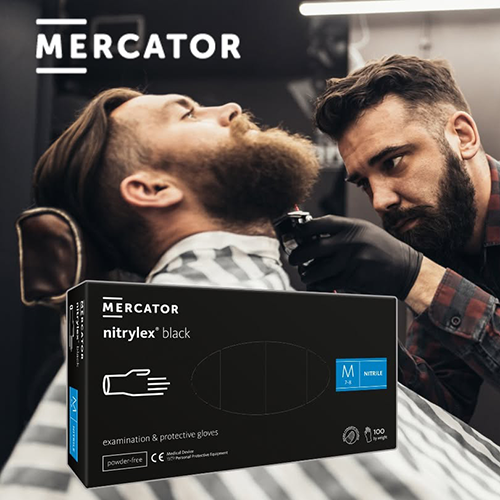
Try working in gloves for eight hours straight—and you will immediately understand how important comfort is. Hands sweat, skin can become irritated, and fingers may go numb from constant tension. Mercator gloves take into account the ergonomics of the wrist: they follow the natural curves, do not constrict the wrist, and do not create creases at the finger joints.
Some lines feature an extended cuff—how convenient! Especially when you need to protect not only the wrist but also part of the forearm. Additionally, such a cuff is more securely fixed, preventing the glove from slipping during work.
The Ventex technology in some models helps wick moisture away from the skin. Hands do not turn into a "greenhouse," which is critically important for those who must wear gloves almost continuously. Dermatologists confirm: the better the ventilation, the lower the risk of developing fungal infections and skin maceration.
Where to buy and how to choose Mercator gloves
If you decide to buy Mercator Medical gloves, first determine their intended use. For manicures, thin vinyl and nitrile gloves will suffice. For cleaning with aggressive chemicals—definitely nitrile of medium or high density. For medical examinations—classic unpowdered nitrile and latex gloves.
Size is a whole different story. Many think that any universal size will do, and then they suffer. Gloves that are too small rub, seams dig into the skin, and fingers go numb. Gloves that are too large slip off, tactile sensitivity is lost, and working becomes uncomfortable. Mercator has a detailed size chart, from XS to XL, so you can find the right fit for any hand.
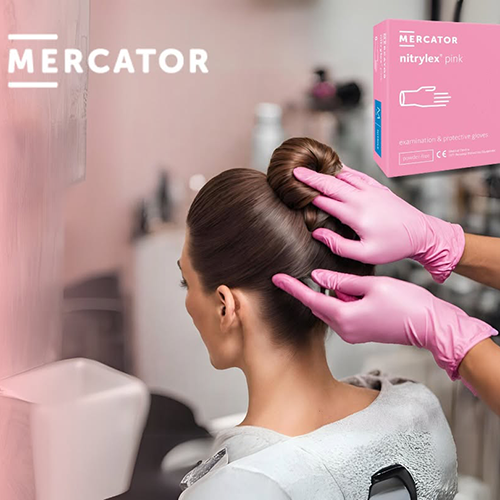
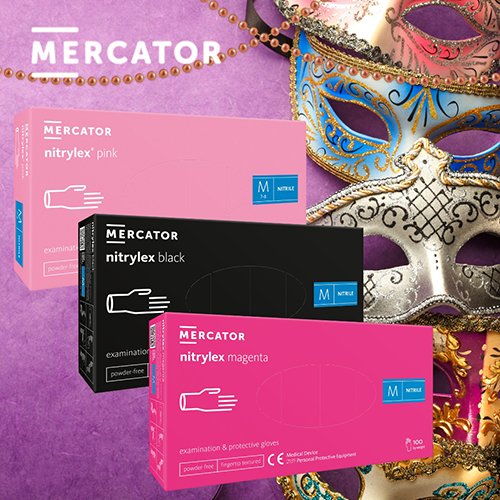
Pay attention to the packaging: they are released in convenient dispenser boxes. Taking one at a time is hygienic and economical. Plus, the box always contains all the necessary information: composition, size, expiration date, batch number.
Ecological Responsibility
The modern world has finally begun to consider what happens to disposable products after use. Mercator is working to ensure that its products are as environmentally friendly as possible. Of course, fully biodegradable medical gloves are still a fantasy, but the company uses technologies that accelerate the decomposition of materials in landfills.
Production is concentrated in Europe, which in itself guarantees compliance with environmental standards. There is no need to discuss harmful emissions here—they simply do not exist. Waste is recycled, and energy consumption has been minimized. For many professionals, this is truly important: they want to work with a company that does not turn a blind eye to environmental issues.
Real user experience
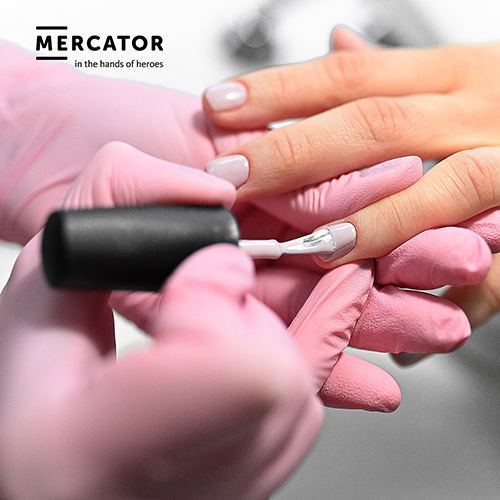
Read reviews from those who actually work with these gloves every day. Nurses note that their hands tire less by the end of the shift. Manicurists praise them for maintaining sensitivity—allowing for easy work with fine brushes and small rhinestones. Chefs say that Mercator gloves do not tear even during active work with sharp knives (although this certainly does not negate the need to be careful).
An interesting observation: many who switched to Mercator no longer want to return to old brands. It’s like with good shoes—once you try quality, cheap options no longer seem acceptable. There is a price difference, but it pays off in comfort and reliability.
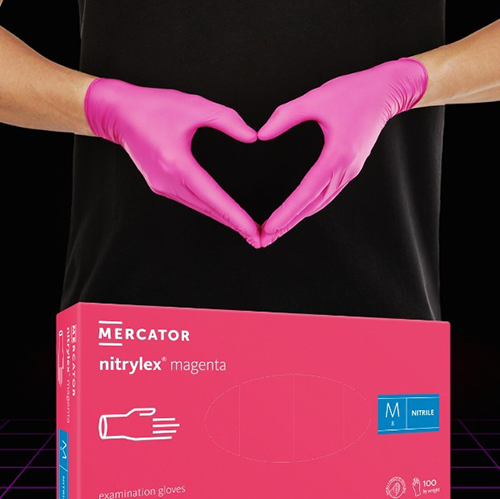
In summary, if you are looking for Mercator gloves that will not let you down in critical moments, will not cause allergies, and will serve you faithfully—consider Mercator. This is a case where the brand's reputation fully matches reality. And your hands will thank you.
Single gloves Cost on staleks.ua
Mercator gloves - customer reviews