Nitrile gloves








 In stock
 Buy

 In stock Buy
 In stock Buy
 In stock Buy
 In stock Buy
 In stock Buy
 In stock Buy
 In stock Buy
 In stock Buy
 In stock Buy
 In stock Buy
 In stock Buy
 In stock Buy
 In stock Buy
 In stock Buy
 In stock Buy
 In stock Buy
 In stock Buy
 In stock Buy
 In stock Buy
 In stock Buy
 In stock Buy
 In stock Buy
- 1
- 2
- 3
- 4
- Next
Remember the time when the salon was filled with the smell of latex, and after a couple of hours of work, your hands felt like sandpaper? Back then, we didn't know that salvation had already been invented — nitrile gloves. Initially, they were not affordable for everyone, but today they are a basic item in the kit of any self-respecting professional. From nail studios to barbershops, from tattoo parlors to cosmetology offices — black, blue, pink, and orange gloves have become a common attribute everywhere. And do you know what the most important thing is? This is not a trend. This is evolution.
Nitrile Gloves: How It All Started and Why They Won
In the late eighties, medical professionals began to complain en masse about latex allergies. It turned out that the protein in natural rubber is a powerful allergen, and for those who wear gloves for 8–10 hours a day, it became a professional illness. Hands cracked, broke out in rashes, and itching made it impossible to sleep.
That’s when nitrile appeared — a synthetic rubber that contains no animal protein. Initially, it was used only in medicine, but beauty professionals quickly realized: this is the salvation. Today, allergies to nitrile gloves are as rare as winning a million in the lottery. It happens so infrequently that one can hardly remember it.
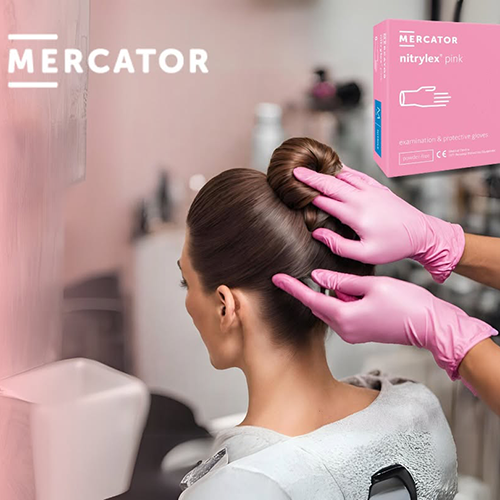
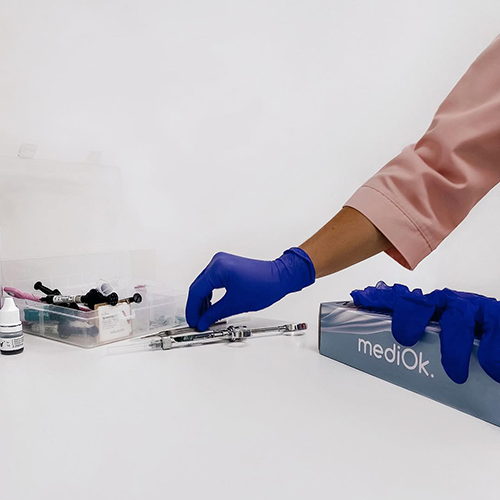
But it’s not just about hypoallergenicity. Nitrile is simply stronger. It is three times more resistant to tearing and puncturing than latex. For a barber working with a straight razor, or a tattoo artist with a vibrating machine, this provides protection against cuts and infections. For a nail technician who removes gel polish with acetone every day, it means that the glove won’t turn into a sticky mess in five minutes.
Nitrile Gloves: Why They Feel So Good
Many people think that nitrile gloves are something rough and "rubber-like." But that’s not the case. Modern products have a thickness of only 0.08–0.12 mm — thinner than a human hair. You can feel every bump on the nail plate, every change in pressure from the drill, and the texture of the skin. This is important when drawing a fine line for a French manicure or placing rhinestones with tweezers.
And they don’t tear. Nail technicians claim that you can work calmly with drills, files, and liquids — and the glove remains intact. And how do they compare to vinyl? Vinyl is like a supermarket bag: cheap, but tears with just one awkward movement and provides no protection at all.
Nitrile Gloves in Action: From Manicure to Tattooing
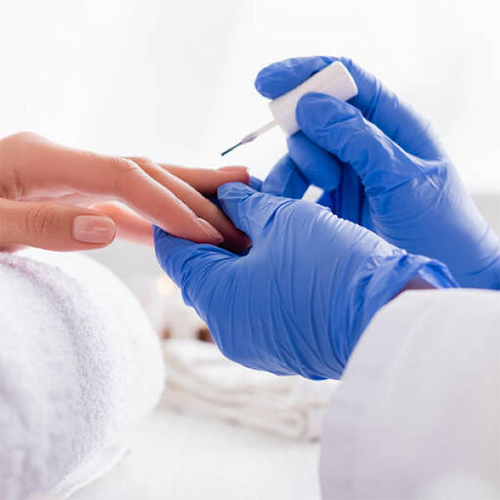
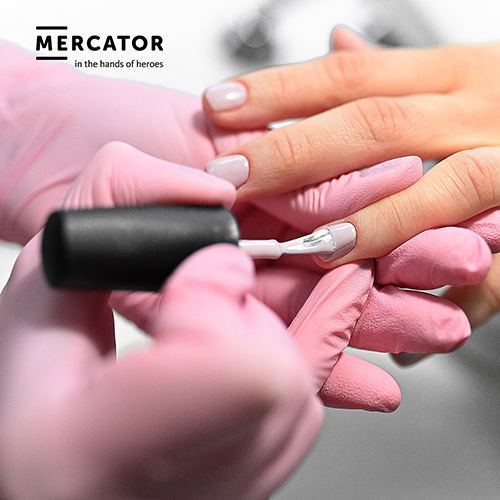
In manicure, nitrile gloves are love at first touch. Acetone, primers, bases, topcoats — all of this is aggressive chemistry, and nitrile stands firm like a tank. Plus, hands don’t sweat as much as they do in latex, because modern models are made with micro-perforation and breathable properties.
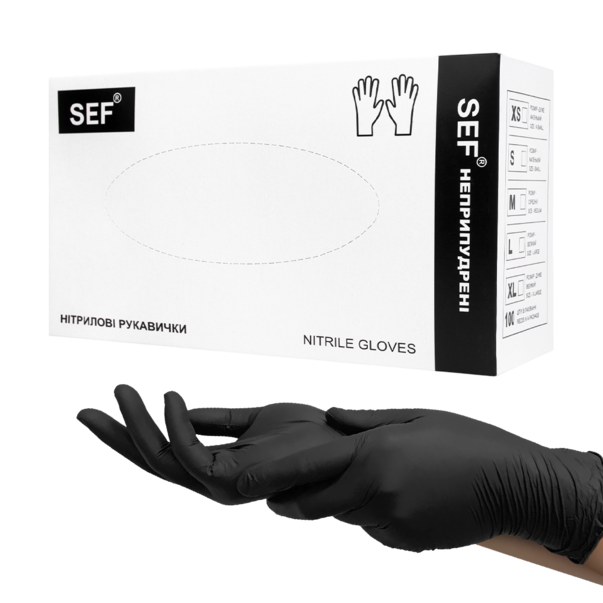
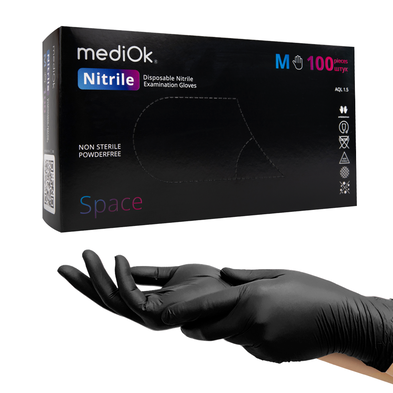
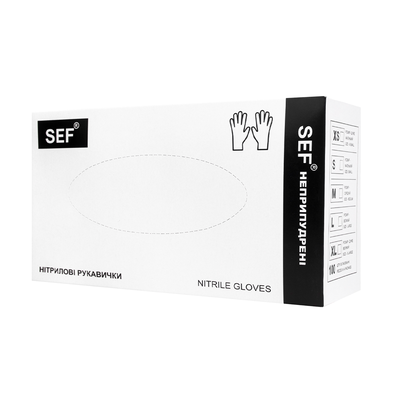
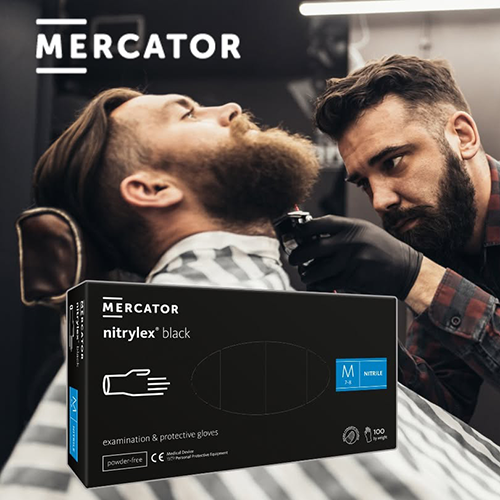
In barbershops, black nitrile gloves have already become part of the dress code. They fit into the rugged atmosphere, hide traces of blood and dye, and clients feel they are in the hands of a professional. The textured surface on the fingers is a real find: razors, scissors, and trimmers don’t slip even with beard oil on your hands.
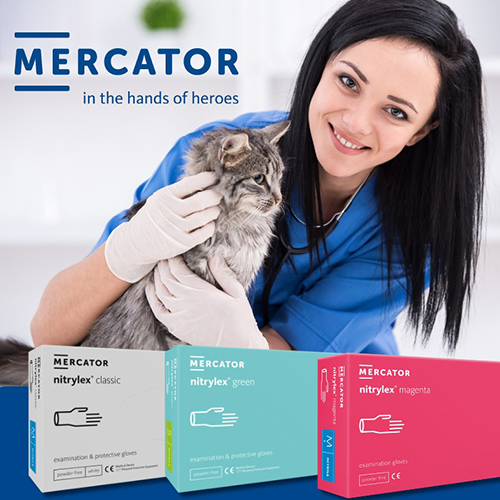
Tattoo artists and permanent makeup specialists also unanimously say: nitrile is a must. A session can last 6–8 hours, hands sweat, the machine vibrates, blood and ink are everywhere — and only nitrile withstands all this without a single tear.
Unpowdered Nitrile Gloves: Why Powder Has Become a Thing of the Past
Previously, all gloves were powdered — talc or corn starch inside to make them easier to put on. It seemed convenient. But in reality? The powder dried the skin to bloody cracks, caused allergies, scattered throughout the office, and settled on fresh gel polish or on a freshly done tattoo. The client breathes in this dust — and hello, irritation.
Today, 95% of salons have switched to unpowdered disposable nitrile gloves. Inside, there is a special polymer coating — they take a little longer to put on, but hands remain intact, and the air in the office stays clean. If you are still using powdered gloves — try unpowdered ones for at least a week. The difference will shock you.
Nitrile Glove Colors: How Color Affects Work and Mood
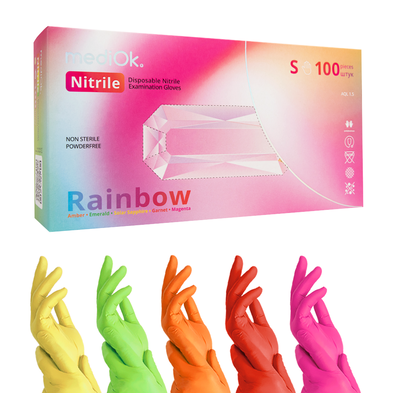
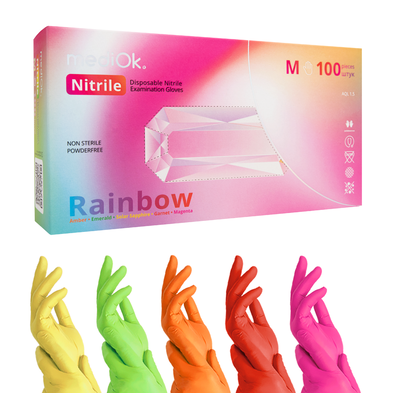
If the choice used to be "blue or white," now the options are overwhelming, and you can order nitrile gloves in black, pink, mint, purple, peach, blue, lavender… and that’s not all. And it’s not just about beauty — color has become part of the professional image and even marketing.
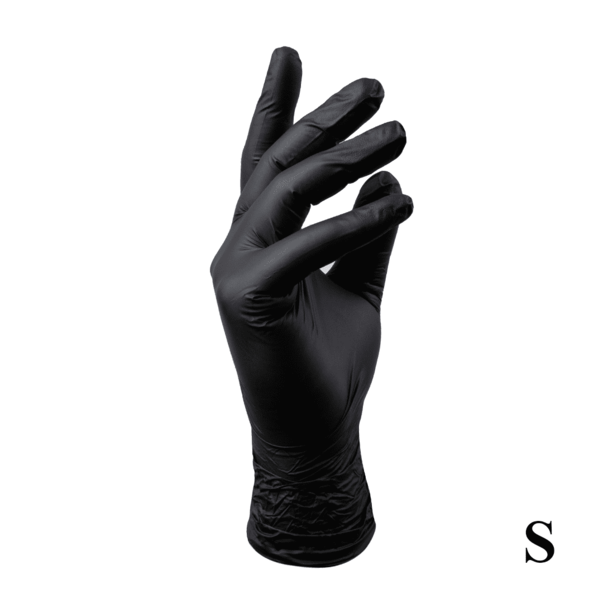
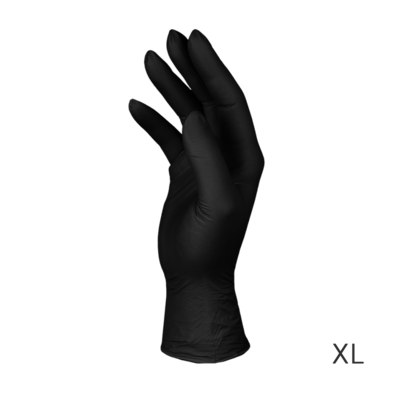
- Black — the absolute leader of 2025. They are worn in barbershops, tattoo parlors, and premium nail studios. Why? First, they hide blood, dye, ink, and any dirt — the client sees only clean hands. Second, they look expensive and rugged, instantly increasing the level of trust. On Instagram, black gloves guarantee 100% likes and "wow, where do you work?"
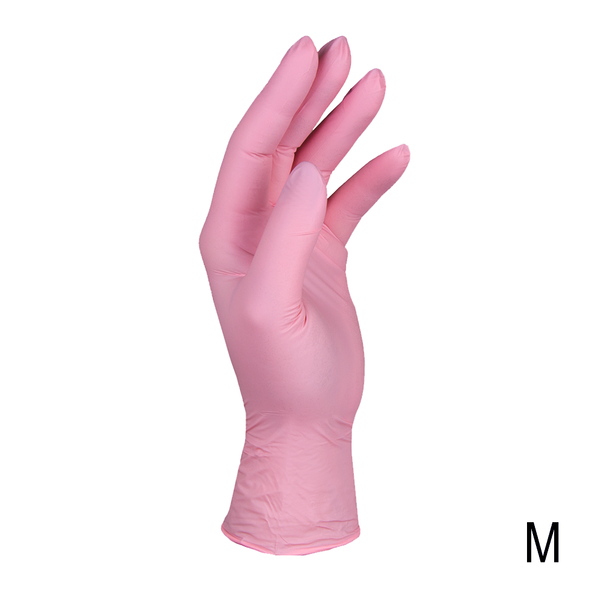
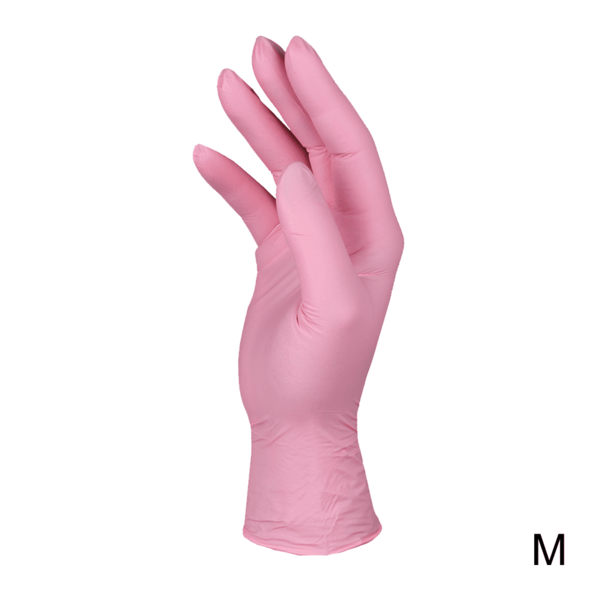
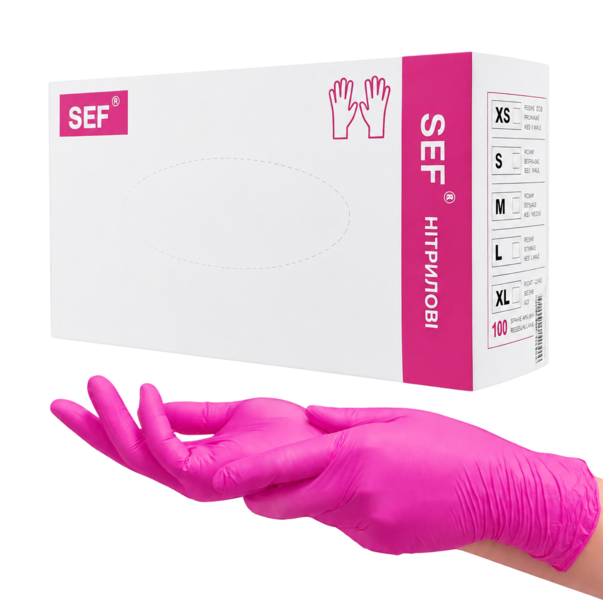
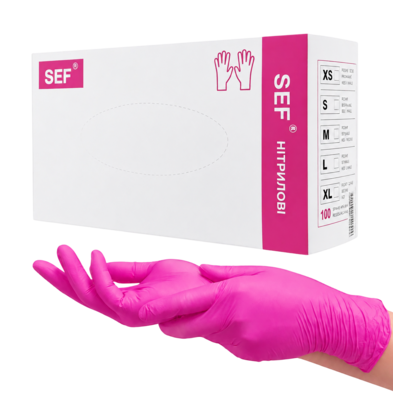
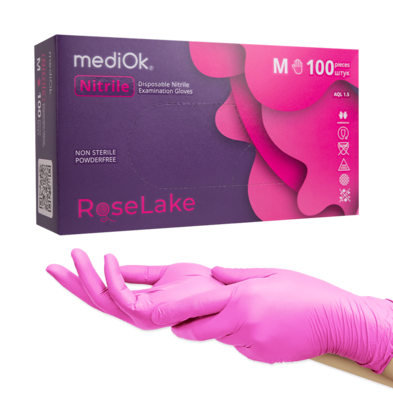
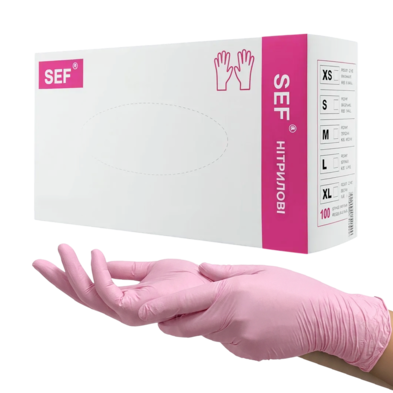
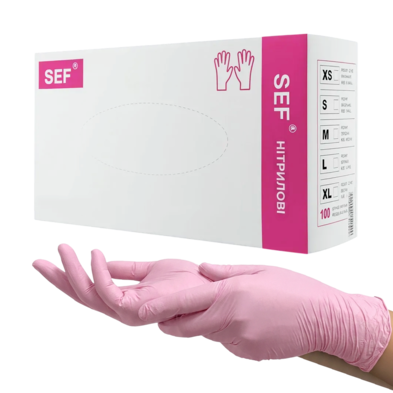
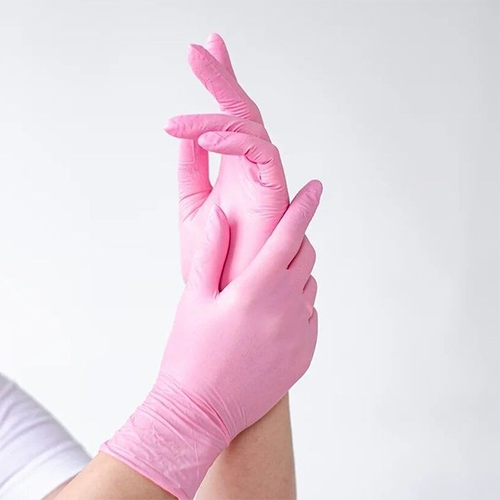
- Pink and peach nitrile gloves are favorites of delicate women’s studios and lash makers. They lift the mood for both the client and the master. When the whole day is surrounded by pastel tones, even a complex combined manicure is easier to do. Many girls specifically match the shade to the interior or season: in spring — mint and lavender, in autumn — burgundy and dark green.
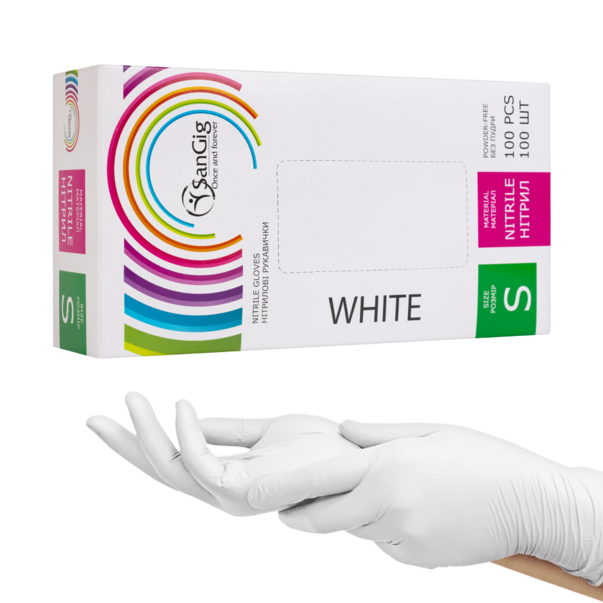
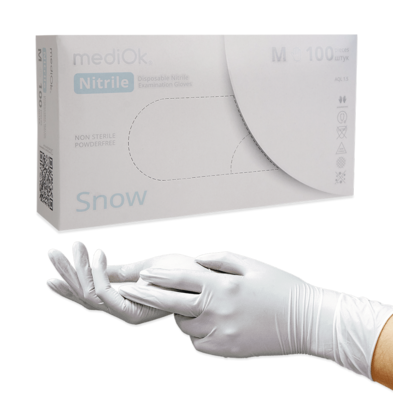
- White and blue remain mainly in cosmetology and the medical segment — where it is important to see any contamination immediately. Plus, white looks great in minimalist studios and in "before/after" photos.
- Purple and blue are classics for those who don’t want to experiment, but find black too strict. They are neutral, suitable for almost any interior, and do not distract.
- There are even transparent disposable nitrile gloves — a rarity, but they are adored by masters who emphasize naturalness and show clients "I work clean, I have nothing to hide."
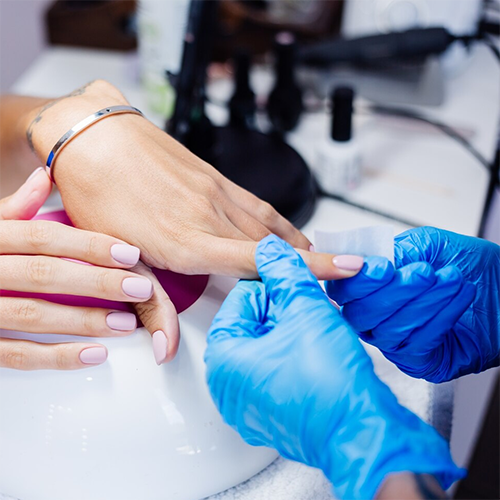
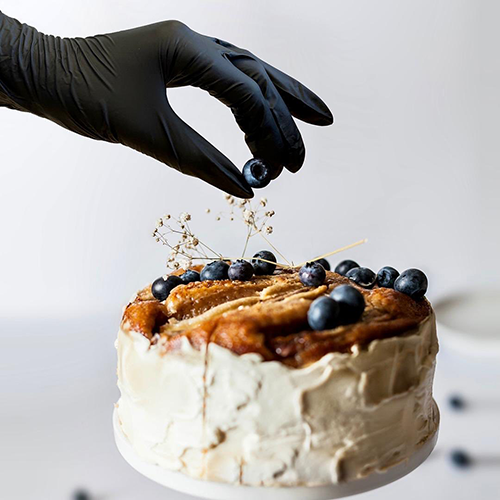
The main rule: the color should be in harmony with your style and studio. Some masters change the shade according to their mood or the collection of gel polishes — clients love it and often ask to photograph "pretty hands in pink gloves." It turns out that disposable nitrile gloves are no longer just protection, but also part of a personal brand.
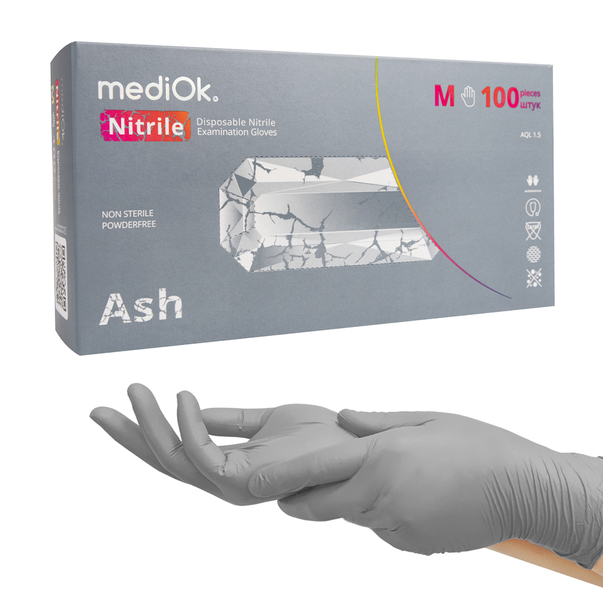
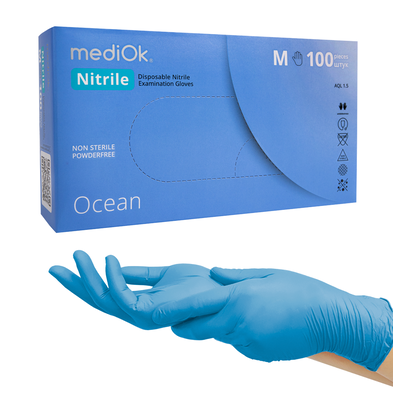
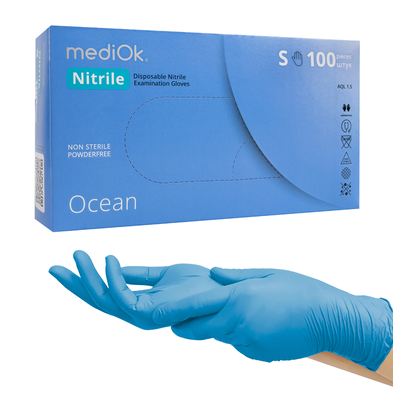
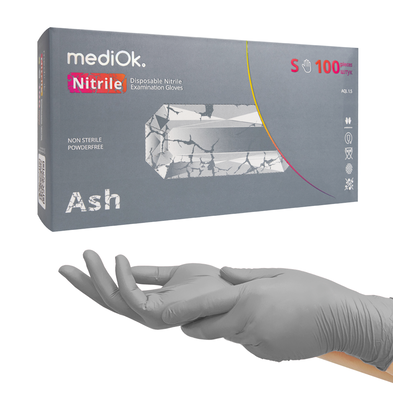
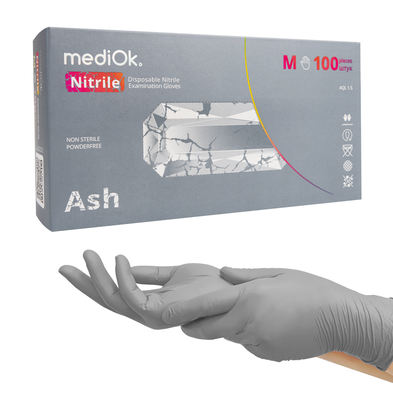
At Staleks Shop & Service, almost all brands (MediOk, AMPri, Mercator, SanGig) release at least 5–7 colors in one line, so you can get a box of black for tattoo clients, pink for manicures, and mint just because it’s spring and you want positivity. And yes, the price of nitrile gloves is almost independent of color — the difference is a maximum of 50–100 UAH per box. So experiment boldly: your hands and your clients will surely appreciate it.
How to Choose and Where to Buy Nitrile Gloves in Ukraine in 2025
There are many brands, and it can be overwhelming. Here are those I trust and that will definitely not let you down:
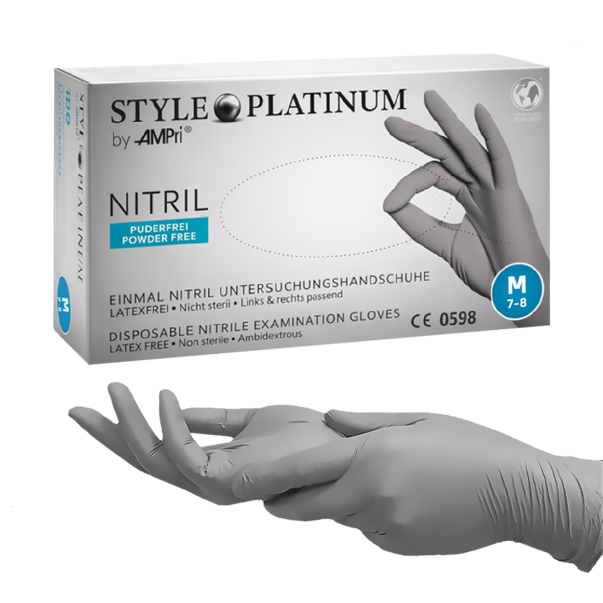
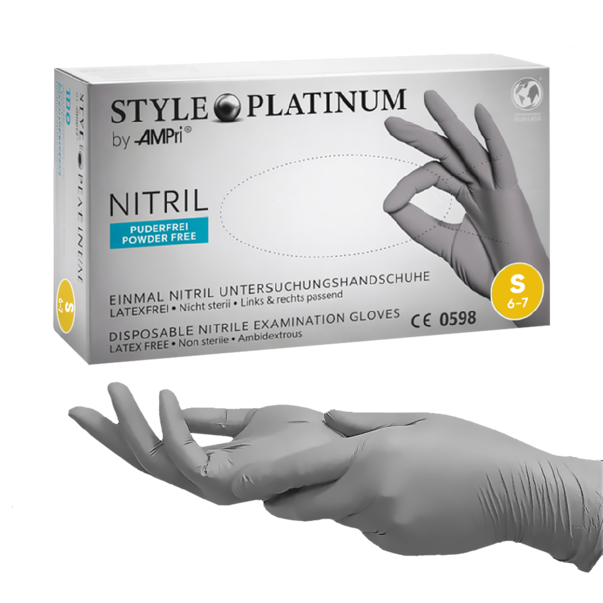
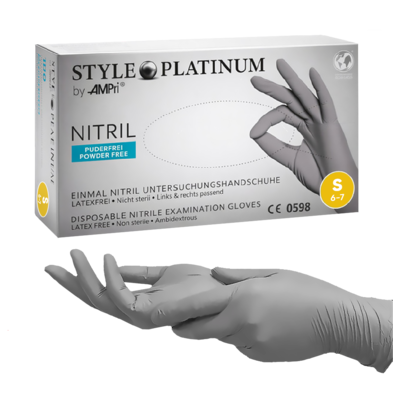
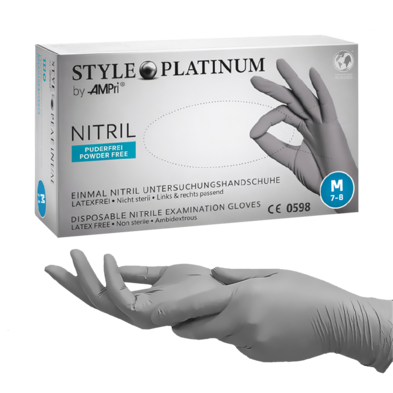
- AMPri — German quality at a reasonable price, ideal for mid-range salons.
- MediOk — our Ukrainian brand that has maintained its standards for about seven years, especially good are the black textured ones.
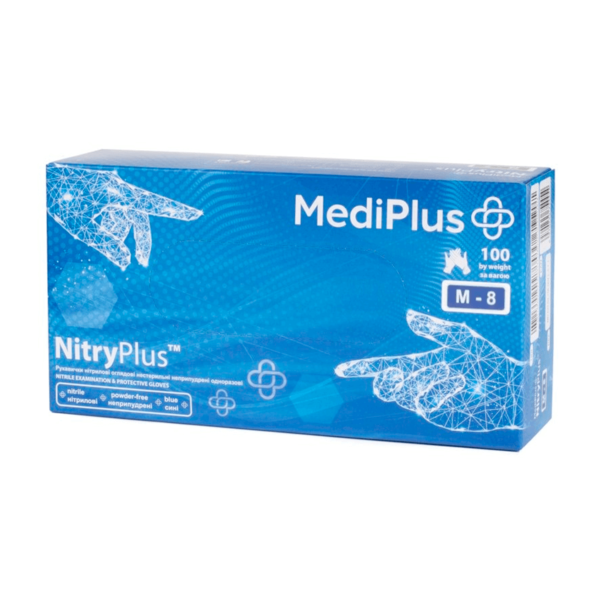
- MediPlus and Medicom — medical level, thin and durable, for those who value premium quality.
- Mercator Medical — the Polish standard chosen by most barbershops.
- MicroSTOP — with an antimicrobial coating, for those who are paranoid about hygiene (and rightly so).
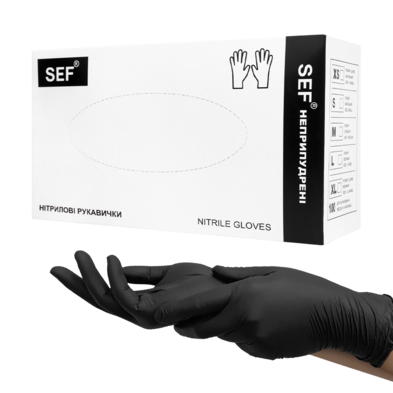
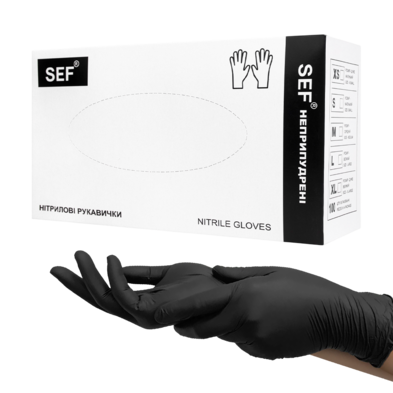
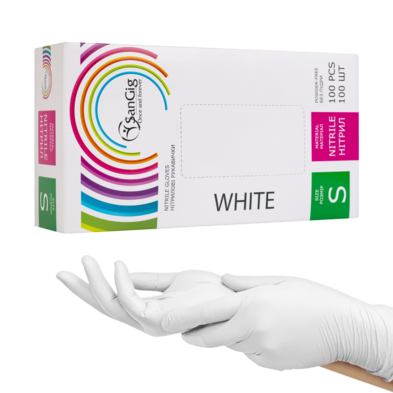
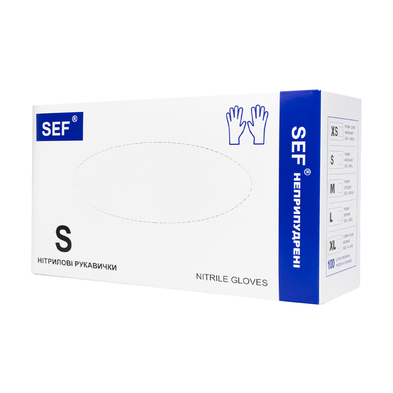
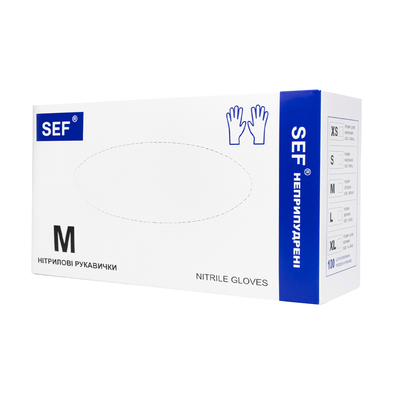
- SEF and SanGig — super elastic, fit like a second skin, especially good for small women’s hands.
Before buying nitrile gloves, choose the size carefully: XS — up to 18 cm, S — 18–20, M — 20–23 (the most popular), L — 23–25, XL and larger — for large male hands. The fit should be perfect: without wrinkles and without tightness.
Choose a thickness of 4–5 mil — this is a universal option for beauty. Thinner is only for permanent makeup, thicker is for cleaning.
At Staleks, buying nitrile gloves is the easiest: always fresh batches, prices from 1300 UAH for a box of 100 pieces in the budget segment and up to 3600–5900 UAH for premium. There are often promotions: 10 boxes + free shipping or gifts. Plus, you can pay upon receipt — no risks.

How to Properly Remove and Dispose of Nitrile Gloves (So You Don’t Ruin Your Manicure or Mood)
It may seem trivial, but 90% of infections in the salon occur during the glove removal stage. If you simply pull them off by the cuff, all the dirt, blood, pigment, and bacteria end up on your hands. Then you pick up your phone, a cup of coffee, or the next client — and hello, cross-contamination.
The correct technique takes exactly 7 seconds but saves your reputation:
- Grab the cuff of one glove at the wrist (without touching the skin) and turn it inside out while pulling it down.
- Crumple the removed glove in the palm of your other hand (which is still gloved).
- Using your "clean" hand, grab the cuff of the second glove from the inside and also turn it inside out, wrapping the first glove inside.
- You end up with a neat "bag" — all the dirt is inside, and your hands are clean.
- Immediately throw it in the trash (preferably in a separate bag or container with a lid).
Many girls love to "snap" the gloves by turning them inside out with air — it looks cool on TikTok, but dust and particles fly all over the office. Don’t do that.
And here’s a life hack from Staleks experts: if you are working with bright pigments or henna, wipe your hands with antiseptic immediately after removing the gloves — nitrile doesn’t allow anything through, but color may remain on the outside, which could then imprint on a white towel.
The rule is simple: remove — wash hands — new client. Then you will receive only "wow, how clean it is here" reviews, and your conscience will be clear.
By the way, there are reminder stickers with this technique — you can hang them above the sink so that newcomers don’t forget. It’s a small thing, but clients notice and appreciate it.
Storage Hacks for Nitrile Gloves to Keep Them from Spoiling and Always Within Reach
Nitrile is a capricious material if treated "like ordinary gloves." Improper storage — and in a couple of months, the box turns into fragile paper that tears right when you put them on. Here are proven rules and tricks that all experienced professionals use:
- Temperature — only room temperature (from +10 to +25 °C). Never leave boxes in the car in winter or on the windowsill in summer — nitrile hardens and cracks from the cold, and softens and sticks together from the heat.
- No direct sunlight or UV lamps. UV destroys polymer chains — after 2–3 months, the gloves become brittle. Therefore, store them in a closed cabinet or drawer in the studio, not on an open shelf by the window.
- Humidity is the number one enemy. If the office is damp (especially in basements and on the first floors), place a couple of silica gel packets (the ones that come in shoe boxes) or a small container of rice in the cabinet. The box will absorb moisture — and the gloves won’t stick together.
- Vertical storage is essential. Stand the boxes on their ends, like books. When they lie flat on top of each other, the bottom boxes get crushed, and the gloves inside become deformed — then they stretch poorly and tear along the seam.
- Transfer an opened pack immediately. If you open a box and take out 10–20 pairs, it’s better to transfer the remainder to a zip-lock bag or a plastic container with a lid. This reduces dust and accidental drops of acetone/alcohol.
- Store colors separately. Girls who work with different colors (black for dark designs, pink for light ones) keep them in different transparent containers with labels. When you go to a client, you can immediately see where the needed color is, without rummaging through a pile of boxes.
- A "duty" pack on the table. Keep 5–10 pairs in a nice metal or acrylic jar right at your workstation — it looks stylish and is always within reach. The main thing is that the jar has a lid to keep dust out.
- Shelf life is a real thing. Each box has a production date + 5 years. Don’t buy "last year’s leftovers" at a 50% discount — they can become brittle after a year. By the way, Staleks always brings fresh batches (the production date is usually 2–4 months ago), so you can confidently buy in bulk.
Follow these simple rules — and all 100 pairs will be flawless.
Why Nitrile Gloves Are Not Just Disposable Items, But an Investment
They protect hands from allergies and chemicals. They protect the client from infections. They provide confidence in movements and a professional appearance. They simply make work more pleasant.
In 2025, showing up to a client in latex or vinyl gloves is like arriving for a shoot in an old sweater. It looks outdated and somewhat unserious.
Switch to unpowdered nitrile gloves — and in a week, you’ll understand how you ever worked without them. And if you don’t know where to start — check out Staleks: they have a huge selection, and the consultants will help you find the right ones for your working style. Your hands and clients will thank you immensely.
Single gloves Cost on staleks.ua
Nitrile gloves - customer reviews