Manicure Gloves








 In stock
 Buy

 In stock Buy
 In stock Buy
 In stock Buy
 In stock Buy
 In stock Buy
 In stock Buy
 In stock Buy
 In stock Buy
 In stock Buy
 In stock Buy
 In stock Buy
 In stock Buy
 In stock Buy
 In stock Buy
 In stock Buy
 In stock Buy
 In stock Buy
 In stock Buy
 In stock Buy
 In stock Buy
 In stock Buy
 In stock Buy
- 1
- 2
- 3
- 4
- Next
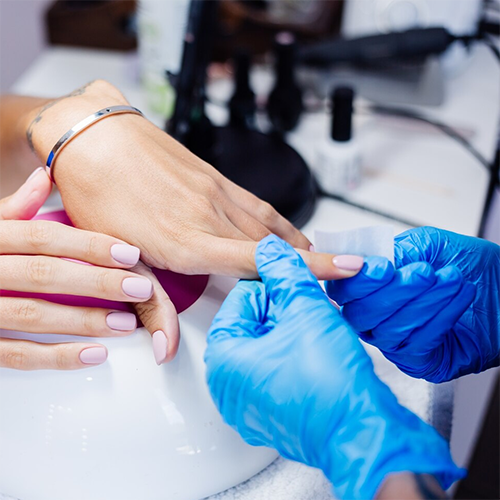
The hands of a manicure master undergo a real test every day. Acetone, gel polishes, removal liquids, disinfectants—all of these constantly come into contact with the skin. After several years of working without protection, the hands begin to dry out, cracks appear, and irritation develops into chronic dermatitis. This is a familiar story for many professionals, isn't it?
Manicure gloves may seem like a simple purchase, but delving into the topic reveals that the differences between models are enormous. Some tear at the slightest movement, others are so thick that you lose sensitivity in your fingers. Some cause such allergic reactions that you have to take a week off work. How do you choose the perfect ones?
Why Gloves for Manicure Masters Are Not a Luxury
Chemical burns are far more common than we think. Various concentrated products for removing gel polish, primers, dehydrators—they are genuinely aggressive and can destroy the skin. At first, everything seems fine, but then dryness appears, the skin begins to peel, and soon cracks and pain occur every time the hands come into contact with water.
Hygiene during the procedure concerns not only health authorities but also the clients themselves. Nowadays, people have become much more attentive to cleanliness in salons. If they see a master without gloves, they start to doubt whether to trust them with their hands. This is a matter of reputation.
Working quickly is only possible when the tools and materials are comfortable. Good disposable manicure gloves are almost unnoticeable—you can move your hands freely, everything is under control, and you can feel even the smallest movements of the file or brush perfectly. If they are of poor quality, it becomes a real nightmare: fingers slip, tools fly out of your hands, and you have to exert twice as much effort even for simple tasks.
Manicure Gloves: Nitrile, Latex, Vinyl
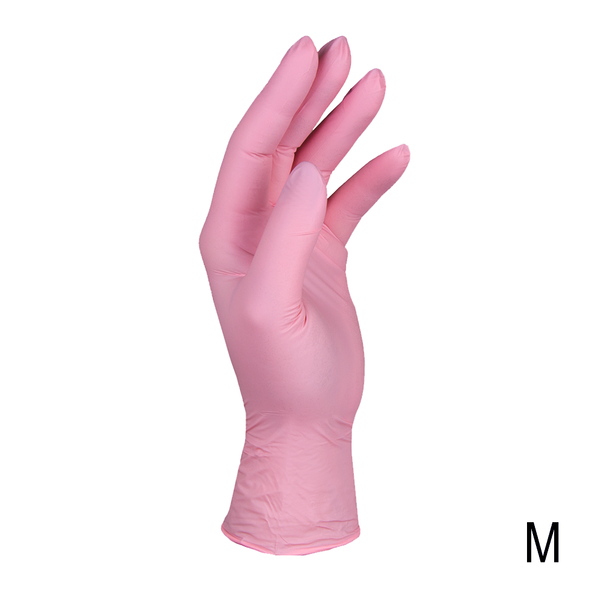
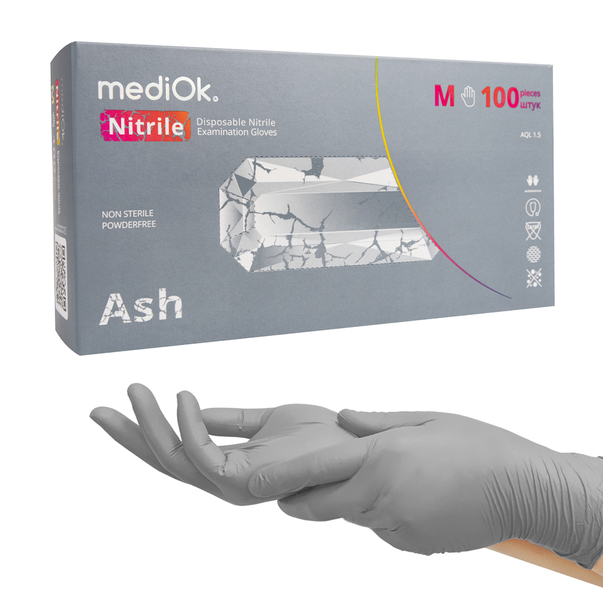
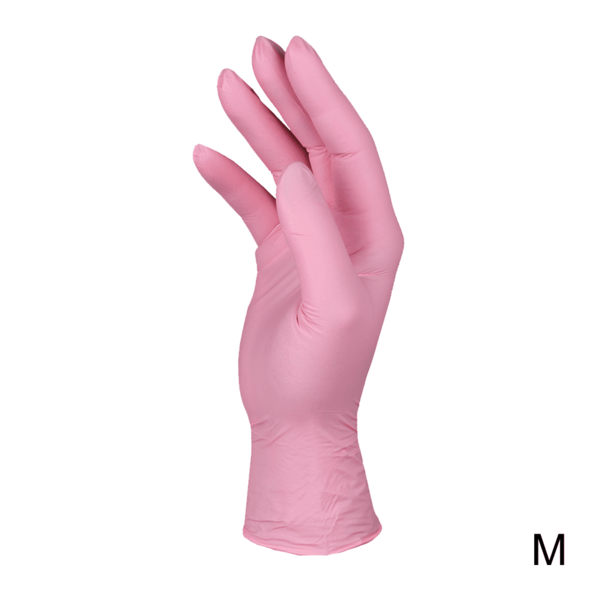
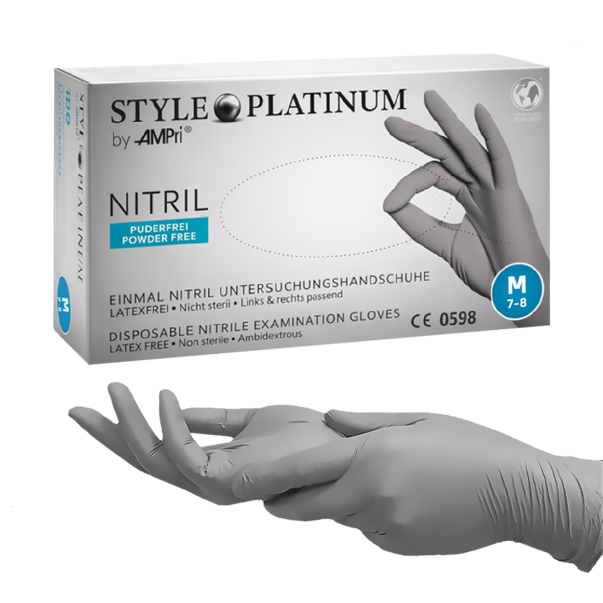
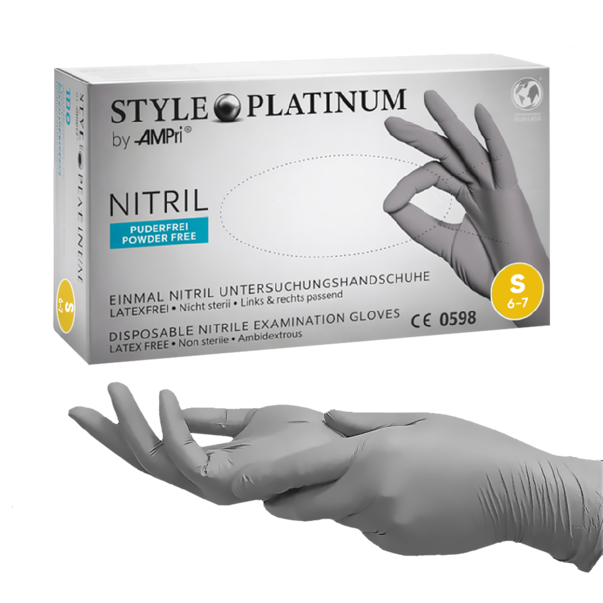
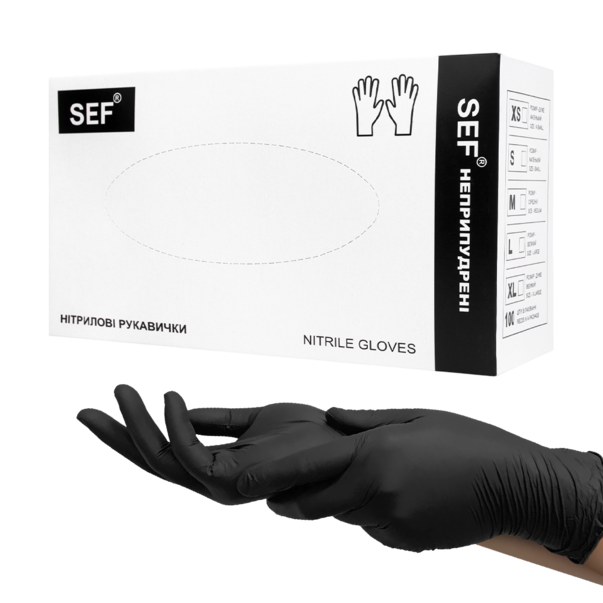
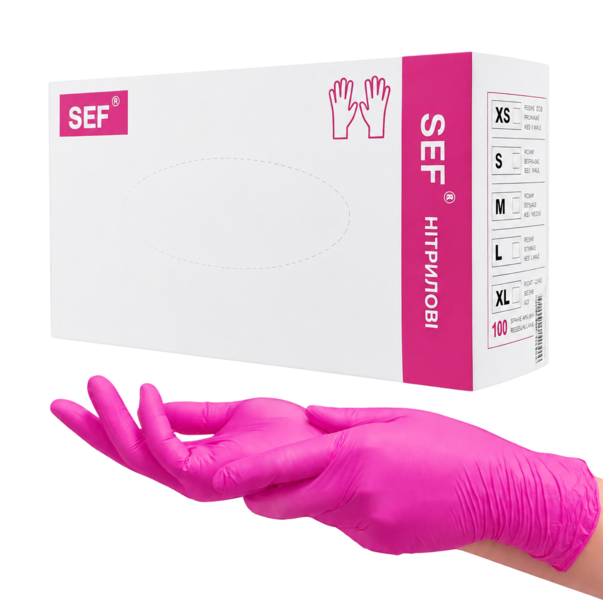
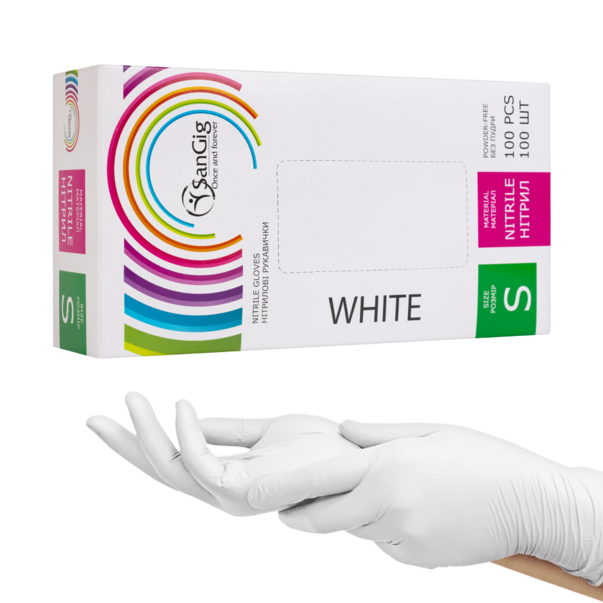
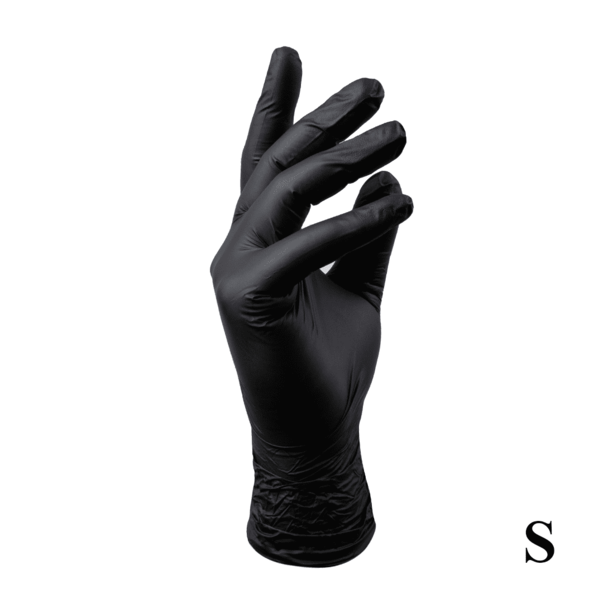
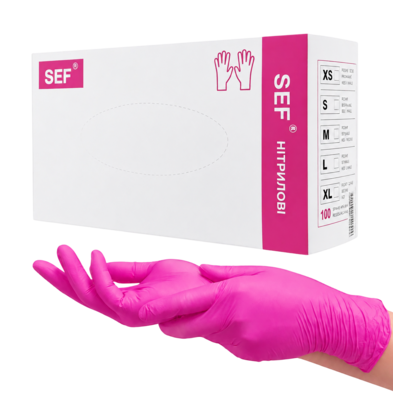
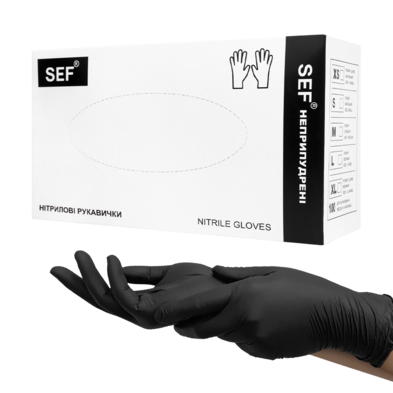
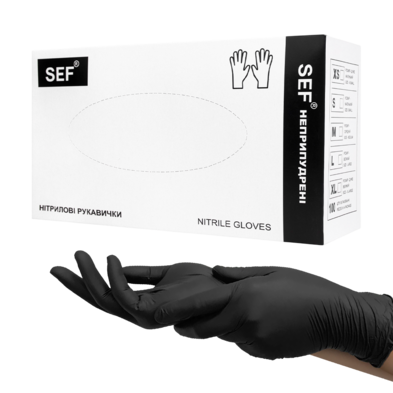
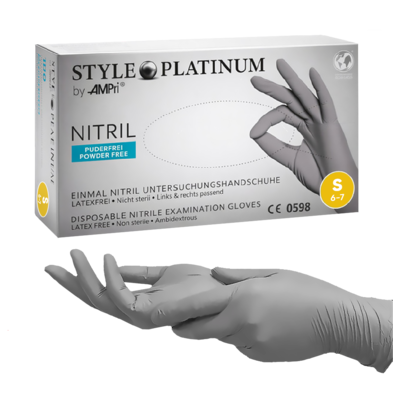
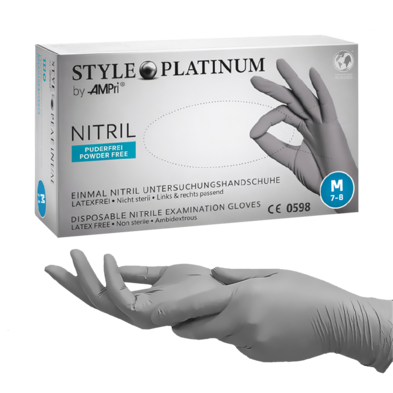
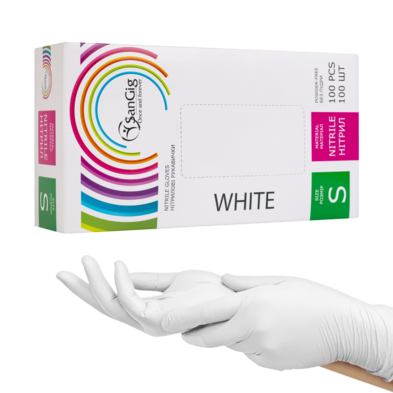
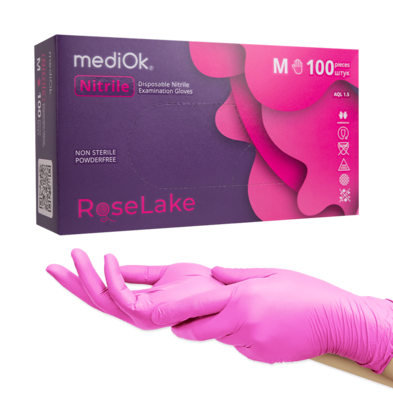
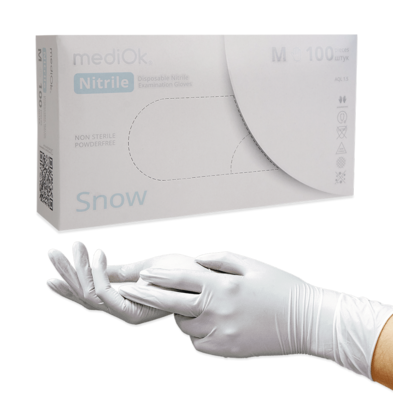
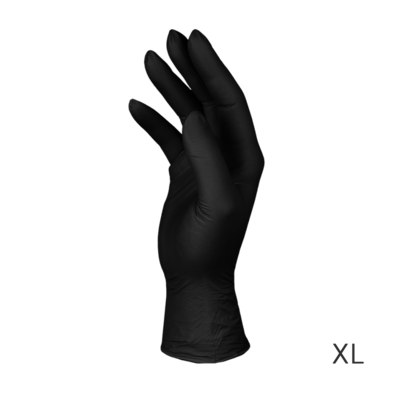
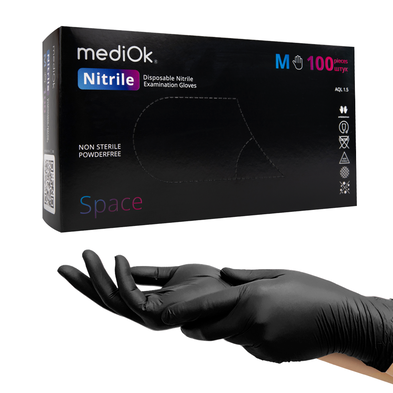
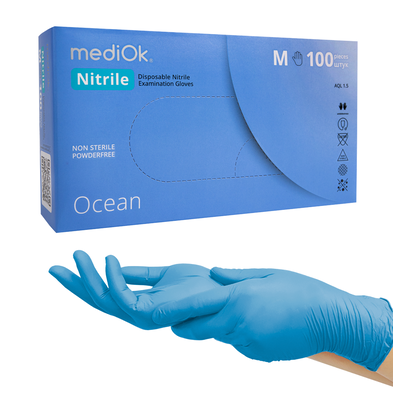
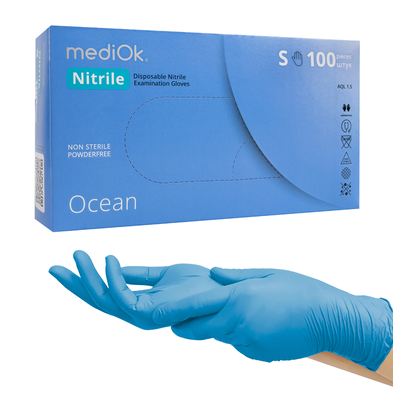
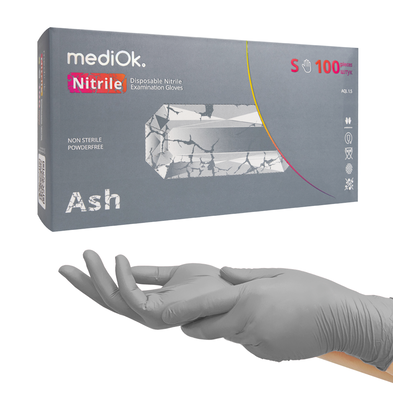
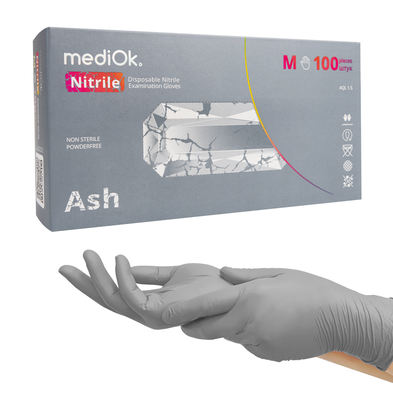
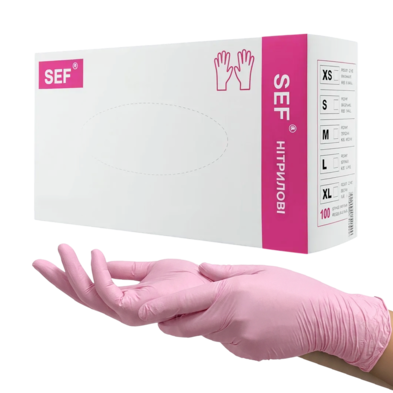
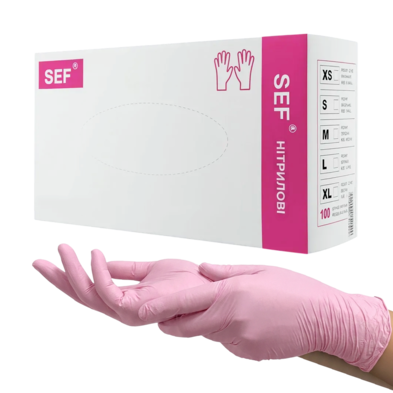
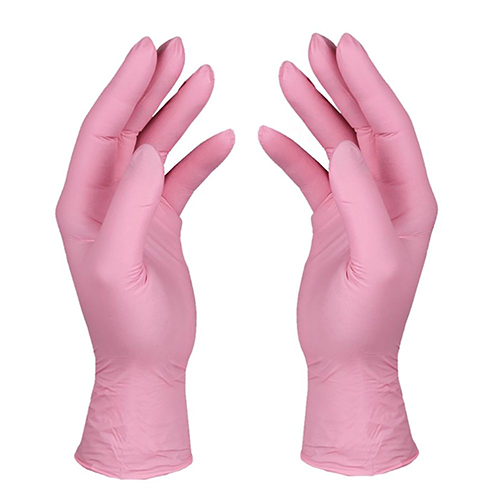
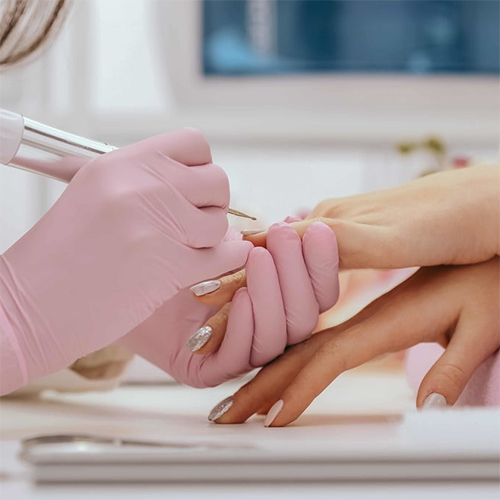
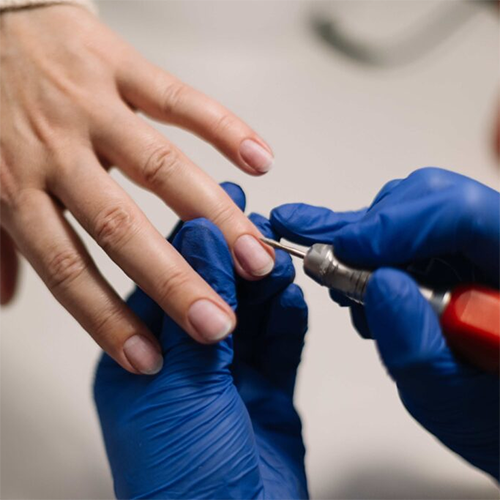
- Nitrile gloves are chosen by experienced masters because they withstand almost any chemicals. Acrylic, gel, acetone, alcohol—nitrile can take the hit. Moreover, the material is hypoallergenic, which is important for those with sensitive skin. Yes, they are more expensive than the others, but the health of your hands is worth it.
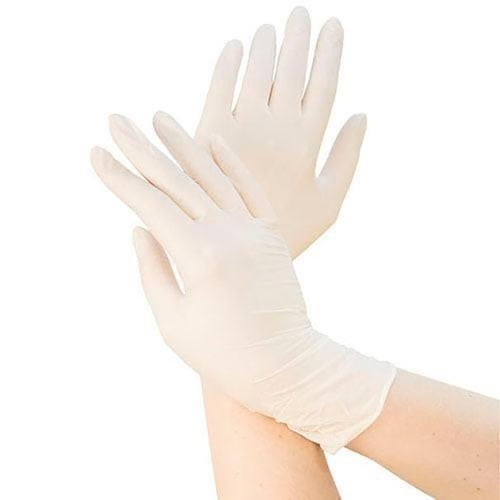
- Latex gloves are cheaper and were previously the most commonly chosen option. However, there is a catch—latex often causes allergies. At first, it’s just a slight itch after work. Then the hands start to turn red, blisters appear, and the skin begins to peel. Many masters endure these issues for years, not realizing that the cause lies in the material, until they finally try something else.
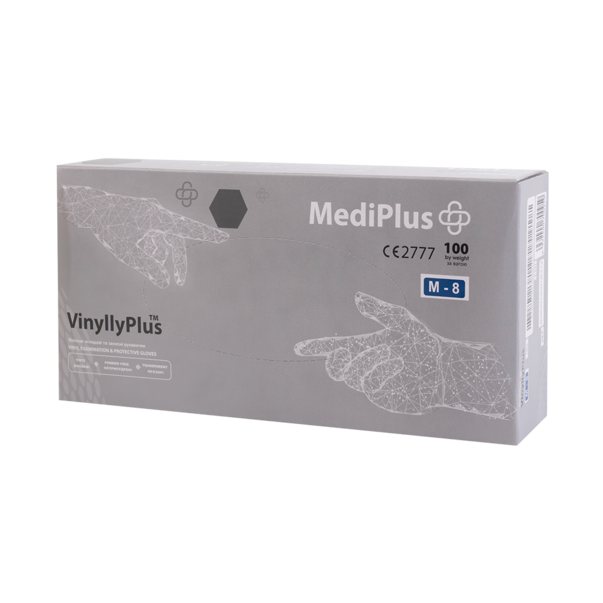
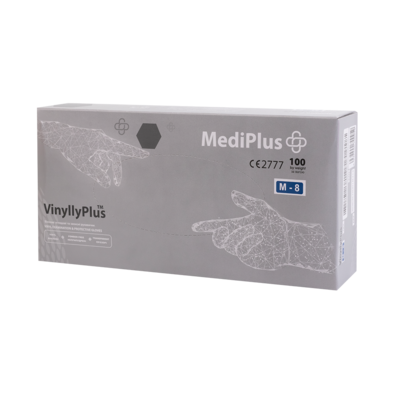
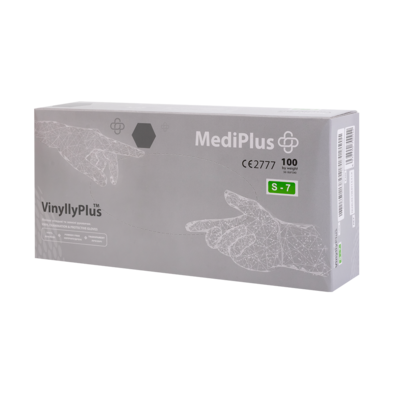
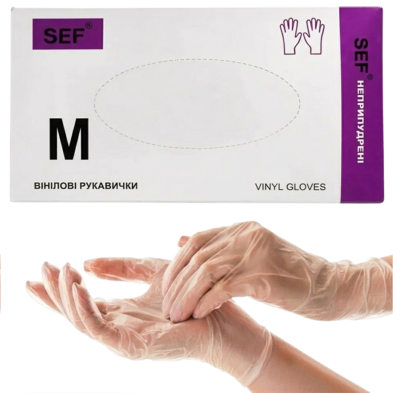
- Vinyl gloves are suitable for basic procedures where serious chemical protection is not needed. Cuticle treatment, simple manicures without coating—vinyl handles these tasks excellently. However, when working with gels and acrylics, it quickly loses strength and can tear at the most unexpected moment.
How to Choose Manicure Gloves Correctly
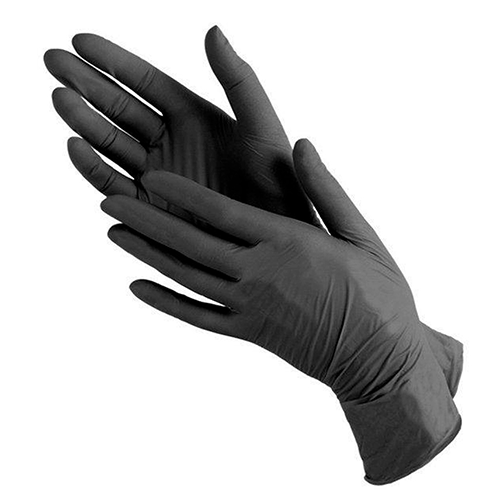
Size matters. Gloves that are too large gather folds on the fingers, hinder holding tools, and constantly slip off. Small gloves squeeze the hands so much that fingers go numb by the end of the day, and the gloves tear at the slightest sudden movement. It is better to take the time to try on several sizes than to suffer throughout the workday.
The thickness of the material depends on the specifics of the work. For artistic painting and fine details, thin gloves are needed to feel every brush touch. For removing gel polish and working with chemicals, choose thicker ones—protection is more important than tactile sensations in such procedures.
The texture on the fingers is a feature that many underestimate. Try working with smooth gloves and then with textured ones—the difference is colossal. Tools do not slip, confidence in movements is entirely different, and hands tire less from constant tension.
Manicure Gloves in Use: Nuances of Application
Putting on gloves on damp hands is a common mistake, especially in haste between clients. The result is predictable: the glove tears, sticks to the skin, and gathers in lumps. Hands must be completely dry; sometimes, it makes sense to use a little talcum powder, especially in summer when palms sweat more.
You need to change manicure gloves more often than it seems. After each client is the minimum. But even during the procedure, there are moments when a change is necessary. If you touch your phone, open a door, or pick up something not from the working area—then they are no longer sterile, and it’s time to change.
Storage also matters. An open box of gloves should not be kept in direct sunlight or near a heater. The material dries out, loses elasticity, and starts to crack. It is better to store them in a cool, dry cupboard.
Where to Buy Manicure Gloves and How Many to Get
The specialized store for masters, Staleks Shop&Service, offers professional options that cannot be found in a regular pharmacy. Here you can feel the material, check the thickness, and try on sizes. Consultants are usually masters themselves or have a good understanding of the topic and can suggest what colleagues are purchasing.
Ordering online saves time, especially if you already know your brand and size. Buying gloves for manicure masters in bulk is more profitable by one and a half to two times compared to retail prices.
Wholesale purchases are suitable for those who work constantly and take many clients. A box of 100 pairs may seem huge, but it gets used up faster than expected. One thing to keep in mind—check the expiration date, yes, gloves have one too.
Manicure Gloves for Masters: What Not to Do
Saving on gloves is a bad idea that will lead to health problems. Cheap options tear three at a time during a procedure, cause allergies, and allow chemicals to pass through. In the end, the money saved goes towards treating dermatitis and buying proper manicure gloves.
Working in the same gloves all day is unsanitary, which is evident to the naked eye. Clients notice when a master does not change gloves between procedures. Even if you are just disinfecting everything, it does not negate the need for a fresh pair.
Ignoring discomfort and allergic reactions is not an option under any circumstances. Itching, redness, and dryness after wearing gloves are signals to change the material. Allergies do not go away on their own; they only intensify until they become a serious problem.
Manicure Gloves and Hand Care for Masters
Even the best gloves for manicure masters do not eliminate the need for hand skin care. Cream should become a daily ritual, preferably after each workday. A master’s hands are their tools, and it is foolish to skimp on their care.
Ventilating the workspace is just as important as wearing gloves. Chemical vapors linger in the air, settle on the skin, and enter the lungs. A ventilation system or at least an open window is not a luxury but a necessity for maintaining health.
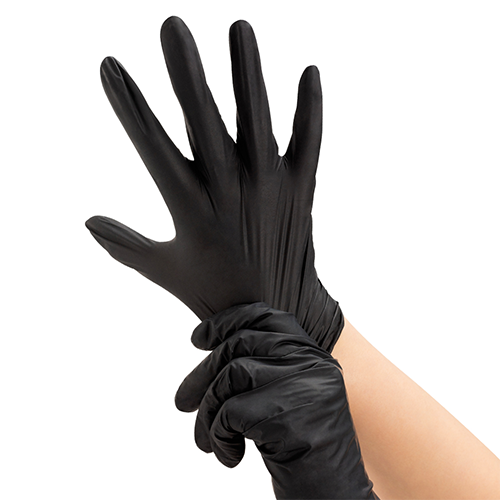
Annual visits to a dermatologist will benefit any master. Professional skin diseases develop gradually and imperceptibly until it is too late. A doctor can spot the problem at an early stage and suggest how to adjust care.
Final Tips on Choosing Manicure Gloves
Nitrile manicure gloves are a universal choice for most masters. They are suitable for almost everyone, protect against chemicals, and rarely cause problems. If the budget allows, choose these; you won’t regret it.
Leave latex in the past if there are even the slightest suspicions of an allergy. Even if everything seems fine now, a reaction can develop at any moment after months or years of use. Why take the risk when there are safe alternatives?
It is worth buying gloves for manicure in several sizes and materials to test. Only through experience will you find your option. What works for a colleague may not work for you—everyone's hands are different, and so are the sensations. Test, try, and find your fit. Your hands will thank you for the care, and your work will become more comfortable.
Single gloves Cost on staleks.ua
Manicure Gloves - customer reviews