Deep Cleansing Shampoos



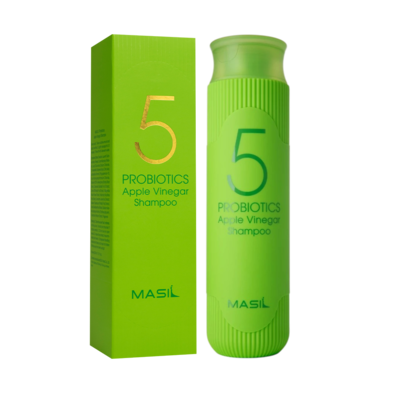
 In stock
 Buy

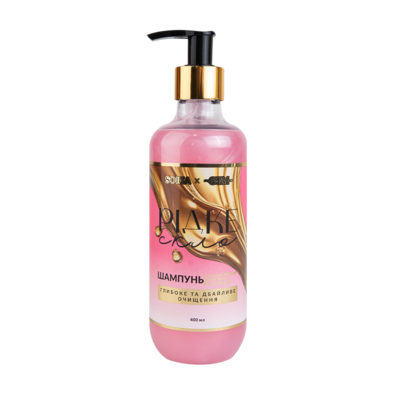
 TREND In stock Buy
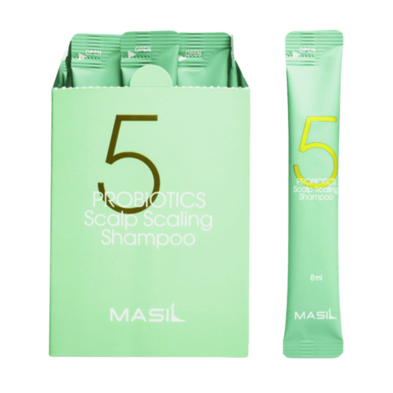 In stock Buy
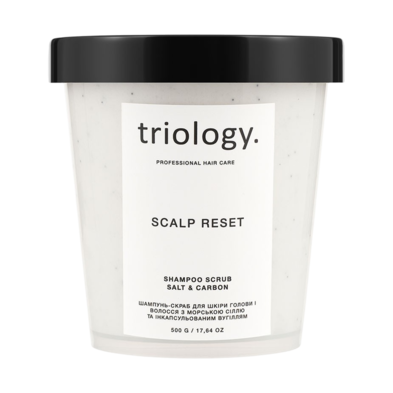 In stock Buy
 In stock Buy
 TREND
 Out of stock
when available
 Out of stock
when available
 Out of stock
when available
 Out of stock
when available
 Out of stock
when available
Deep cleansing shampoo is a class of products that addresses issues that regular products cannot fundamentally resolve: it washes away accumulated residues from styling, minerals from hard water, excess sebum from follicles, and dead skin cells. This is not an "intensified" version of a daily product – it is a separate product with a different chemical logic. Deep cleansing shampoo restores the condition of the scalp and opens the cuticle for active ingredients in any subsequent step of the routine.
What is deep cleansing shampoo
To understand why deep cleansing shampoo is needed at all, it is enough to imagine what happens to hair after a month of daily styling: hairspray, mousse, and thermal protectants are layered on, while regular products only remove the top layer, leaving everything else behind. This is where specialized products come into play.
How deep cleansing shampoo differs from regular shampoo
Regular products are designed for fresh, surface-level impurities: dust, sebum from the past day, and light residues of products. Their surfactants clean the surface of the cuticle but do not penetrate deep into the follicles or dissolve polymer films from styling.
Deep cleansing shampoo contains components that are absent or nearly absent in everyday products:
Chelators – bind calcium and magnesium ions from hard water and "remove" mineral deposits from the cuticle
AHA acids – dissolve the bonds between dead cells and soften polymer layers
BHA (salicylic acid) – fat-soluble, penetrates the follicle and dissolves fat plugs from within
Enhanced surfactants – higher cleansing potential compared to daily products, but combined with softening active ingredients
When is deep cleansing of hair necessary
The scalp sends very specific signals when regular care is no longer sufficient. Most often, these are attributed to "hair type" or season – although in reality, they are signs of accumulated load:
Hair becomes greasy within 6-12 hours after washing, although it used to stay clean longer.
After application, the product produces little foam – this means that the surfactants are "busy" with residues rather than cleansing.
Masks and conditioners no longer provide the same effect as before.
Roots "stick" to the scalp immediately after washing.
A feeling of "film" or "heaviness" on the strands, which cannot be attributed to hard water or the product.
How cleansing formulas work for the scalp
The principle of action of deep cleansing shampoo for the scalp depends on the specific impurities it removes. Various active ingredients work differently:
Acidic cleansing – AHA and BHA dissolve chemical bonds between cells and fat molecules. Salicylic acid literally penetrates fatty layers and dissolves them from within.
Chelation – chelator ions (EDTA, citric acid) "capture" calcium and magnesium ions and form soluble compounds with them, which are easily washed away with water. This way, the cuticle gets rid of the mineral "shell" and shines again.
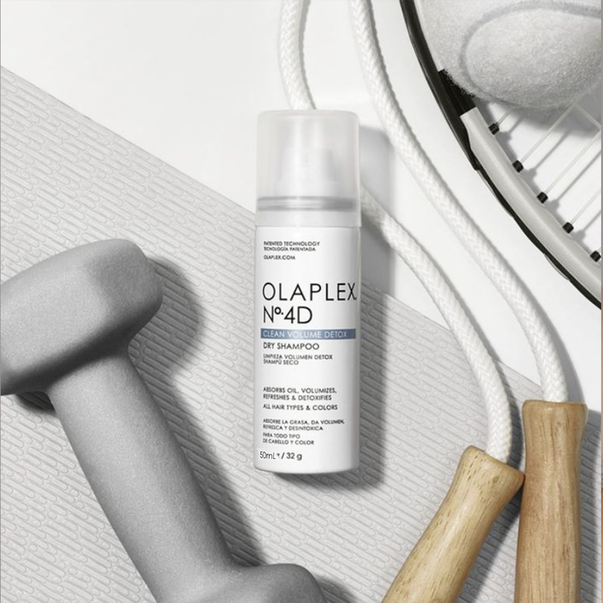
Adsorption – clay, zeolite, or rice starch physically attract fat molecules and toxins. This mechanism is also used in dry shampoos.
When to use deep cleansing shampoo
Deep cleansing shampoo does not replace daily shampoo – it rather complements it in specific situations. The main question is not "do I need it," but "when and how often." The answer depends on what is happening with your hair and scalp.
Accumulation of styling products on hair
Hair sprays, gels, waxes, and mousses contain polymers, silicones, and resins that form a protective film on the cuticle. Just a few applications – and the film becomes a barrier.
What this means in practice: after several weeks of active styling, hair masks stop being "felt," color applies unevenly, and the hairdryer seems to no longer provide that same effect. The reason is that the hair is covered with a shell through which active substances simply do not penetrate.
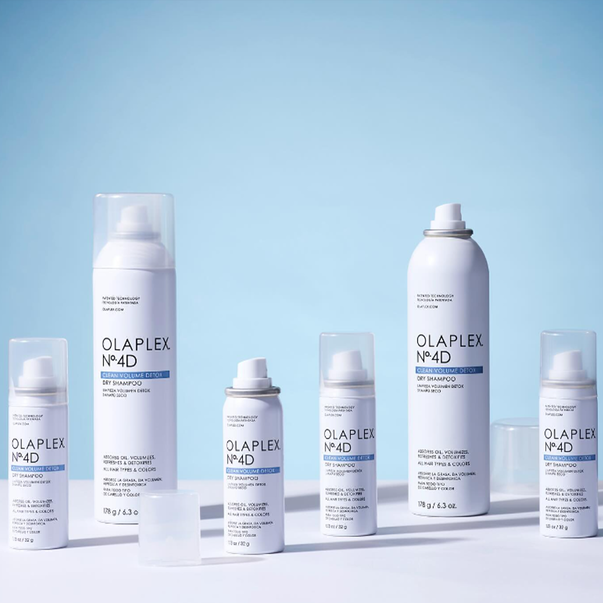
The most aggressive accumulators:
Silicones (Dimethicone, Cyclomethicone) – do not dissolve in water at all
Acrylic polymers in hairsprays – form a hard film
Waxes and lanolin – heavy lipids that are not washed away by gentle surfactants
Polyquaterniums in conditioners – positively charged molecules that "stick" to negatively charged cuticles
If you regularly use heavy styling products, it is worth purchasing a deep cleansing shampoo and incorporating it into your weekly routine. Additionally, its use is a mandatory technical step directly in the salon before keratin, botox, or lamination procedures. Moreover, home deep cleansing 2-3 days before visiting a colorist will help prepare the base for complex coloring by washing away mineral deposits.
Excess sebum on the scalp
Sebaceous glands produce sebum constantly – this is a natural process. However, under certain conditions (hormonal background, stress, inappropriate product), they switch to "hyperproduction mode." Ironically, too frequent washing with aggressive products is one of the most common causes of this: the skin reacts to degreasing with a compensatory release of sebum, and the strands become greasy even faster.
Deep cleansing shampoo for the scalp removes dirt not only from the surface but also from the very ducts of the follicles. After such cleansing, the sebaceous glands "come out of stress mode" and gradually normalize production.
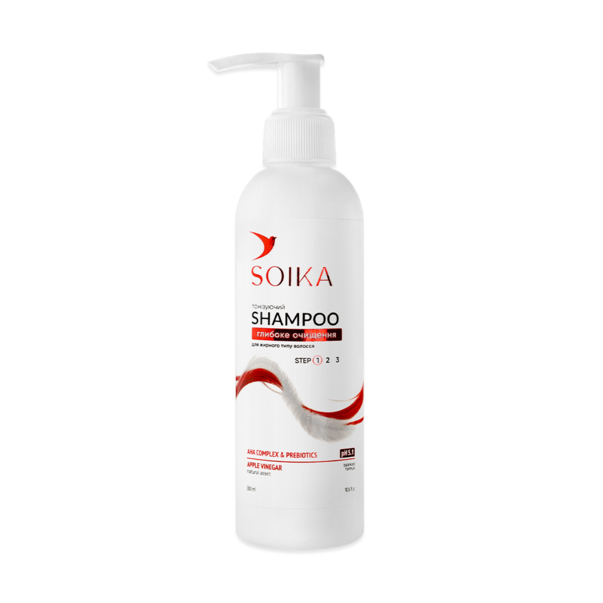
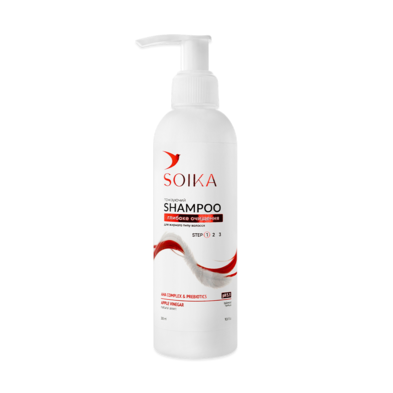
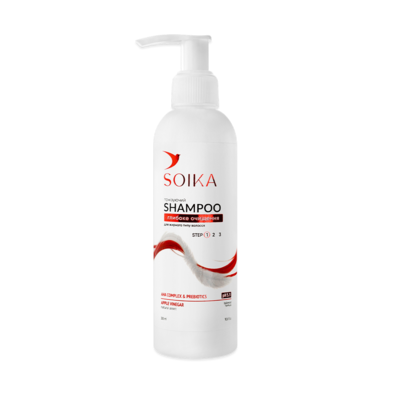
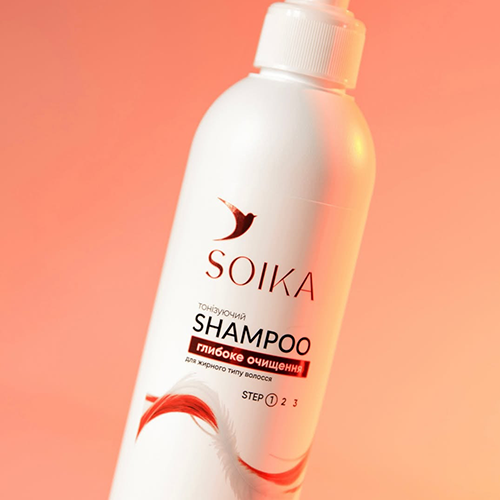
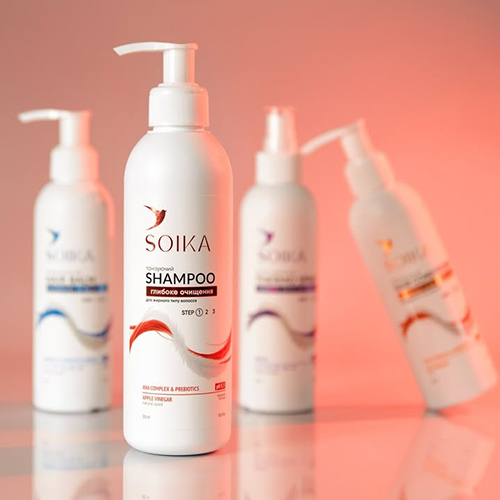
Deep cleansing shampoo with AHA/BHA is especially successful for oily skin: the acids simultaneously cleanse and slightly exfoliate, preventing follicle blockage. SOIKA Deep Cleansing Shampoo for Oily Hair contains five AHA acids (glycolic, lactic, malic, tartaric, citric) plus apple cider vinegar and prebiotics – a complex that cleanses while simultaneously nourishing the skin's microbiome. Free from silicones, parabens, and gluten.
Preparing hair for care procedures
Buying deep cleansing shampoo and using it before procedures is the main condition for their effectiveness. Here are specific scenarios for its use:
Procedure | Why deep cleansing is necessary before it | What effect does cleansing provide |
Coloring / Toning | Pigment applies more evenly to a clean cuticle without residues | More saturated and even color, lasts longer |
Keratin straightening | Keratin penetrates deeper into the hair structure | The result lasts longer, hair is smoother |
Hair botox | Active components do not compete with accumulated impurities | Maximum restoration and "salon" shine effect |
Intensive mask / Restoration | Nutrients reach the cortex instead of remaining on the surface | Deep nourishment and restoration of structure |
Lamination | The product is evenly distributed along the entire length | Predictable result, even shine |
Hair extensions | A clean cuticle provides better adhesion of materials | Stronger hold, lower risk of lifting |
What problems do deep cleansing shampoos solve
Deep cleansing shampoo does not "treat" specific diseases, but it addresses a number of problems that seem chronic, but are actually the result of accumulated load. Let's consider the three most common.
Oiliness of the scalp
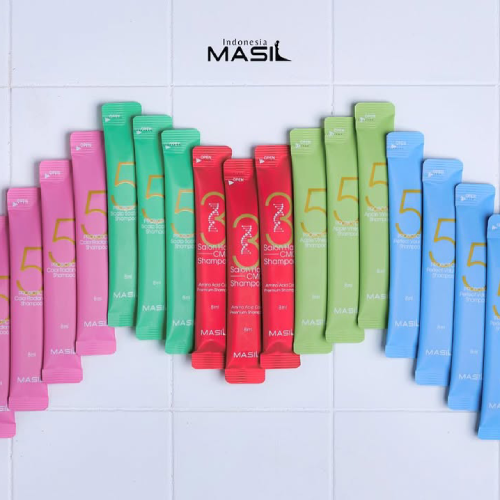
Deep cleansing shampoo for the scalp is better suited for oily types than daily shampoo – it cleans the ducts of the sebaceous glands themselves. After a course, many note that hair becomes oily noticeably slower: the glands no longer have to "compensate" for harsh cleansing.
For oily scalp, a professional deep cleansing shampoo with:
Salicylic acid – removes sebum directly from the follicles
AHA acids – exfoliate the surface and regulate sebaceous gland activity
Prebiotics and probiotics – normalize the microbiome, which directly affects gland function
Apple cider vinegar – regulates pH and has antibacterial properties
Loss of hair volume
When hair "lies down" and does not hold volume even after styling – most immediately blame the "type" or look for volumizing products. But if the problem arose gradually, rather than being constant – the cause is almost certainly in the accumulations.
Deep cleansing shampoo in this situation is not an additional step, but a basic one. Here’s what happens: layers of silicones, polymers, and minerals literally weigh down each strand. The strands do not "fall" – they are physically heavier than they should be. Deep cleansing shampoo removes this load, and volume returns without any additional products.
The effect is especially noticeable with:
Constant use of silicone oils
Washing hair with very hard water
Regular use of sprays and mousses
If after using deep cleansing shampoo the hair regained volume – this confirms that the cause was in the accumulations. Then maintain prophylactically: once every 2-3 weeks is sufficient.
Pollution of hair and scalp
Deep cleansing shampoo is especially important for city dwellers: pollutants from the air (dust particles and exhaust fumes) settle on the cuticle and scalp surface. Deep cleansing shampoo removes inorganic impurities as well.
This is important for two reasons. First, pollutants cause oxidative stress – damaging the lipid layer of the cuticle and accelerating the aging of follicles. Second, they create a base to which sebum and styling products "stick" – and accumulations grow faster.
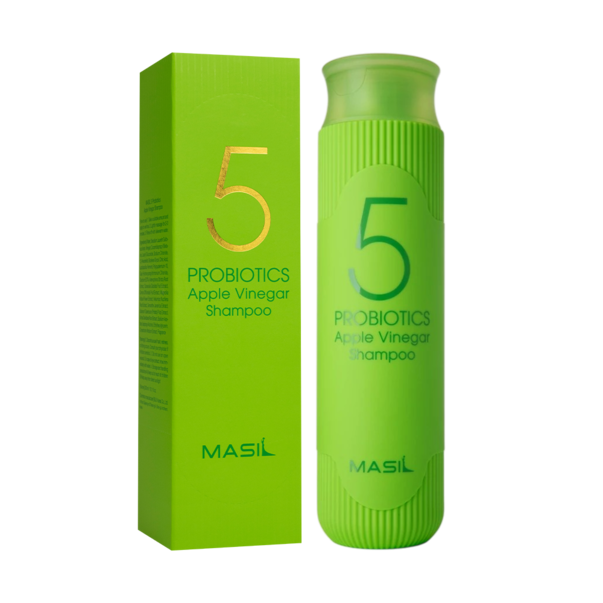
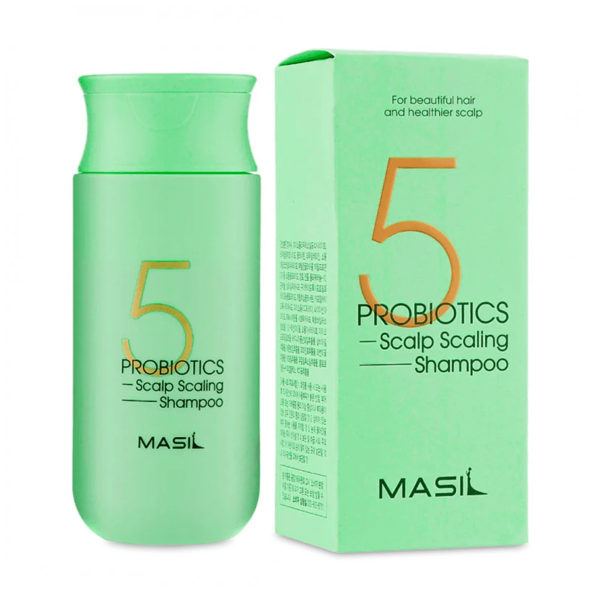
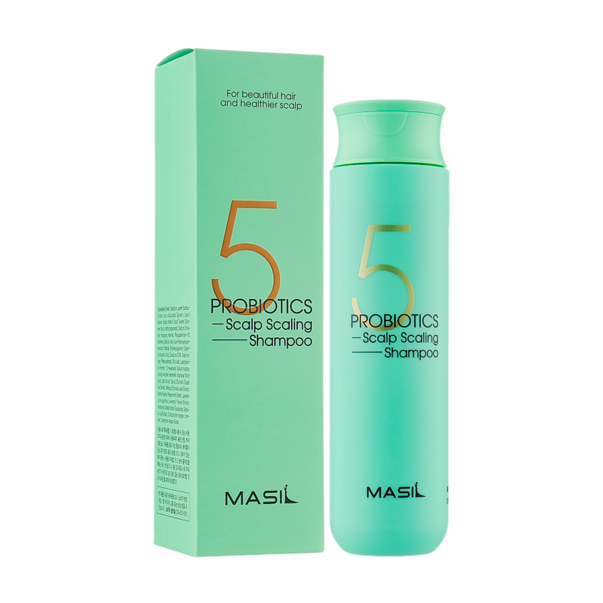
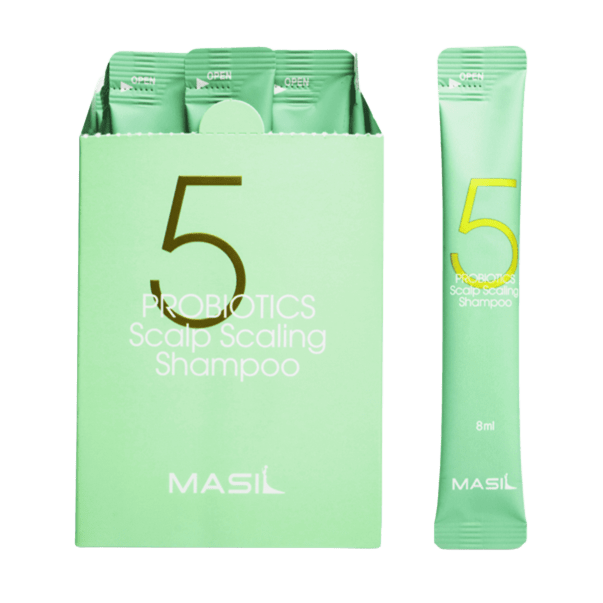
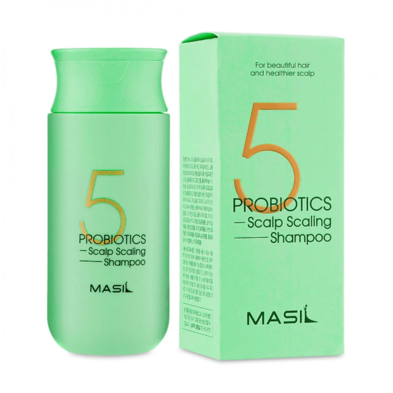
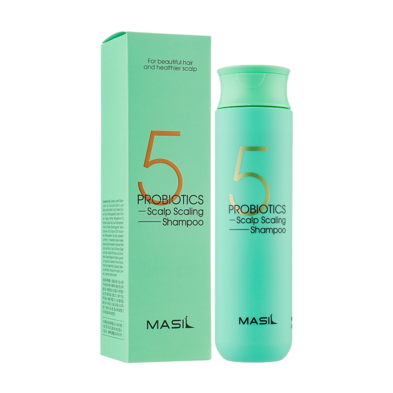
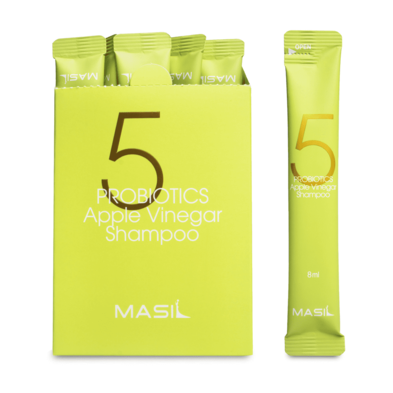
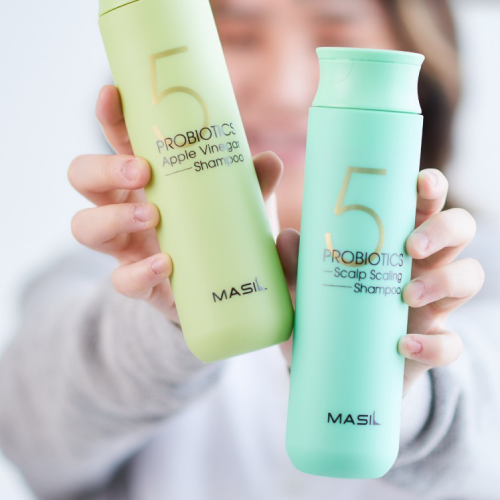
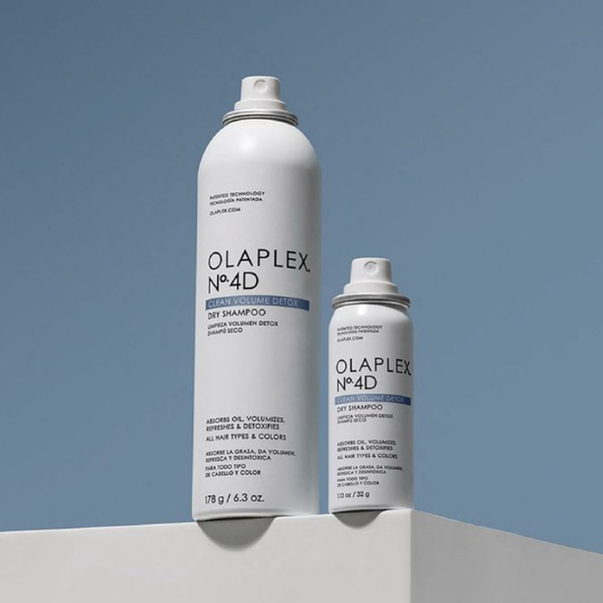
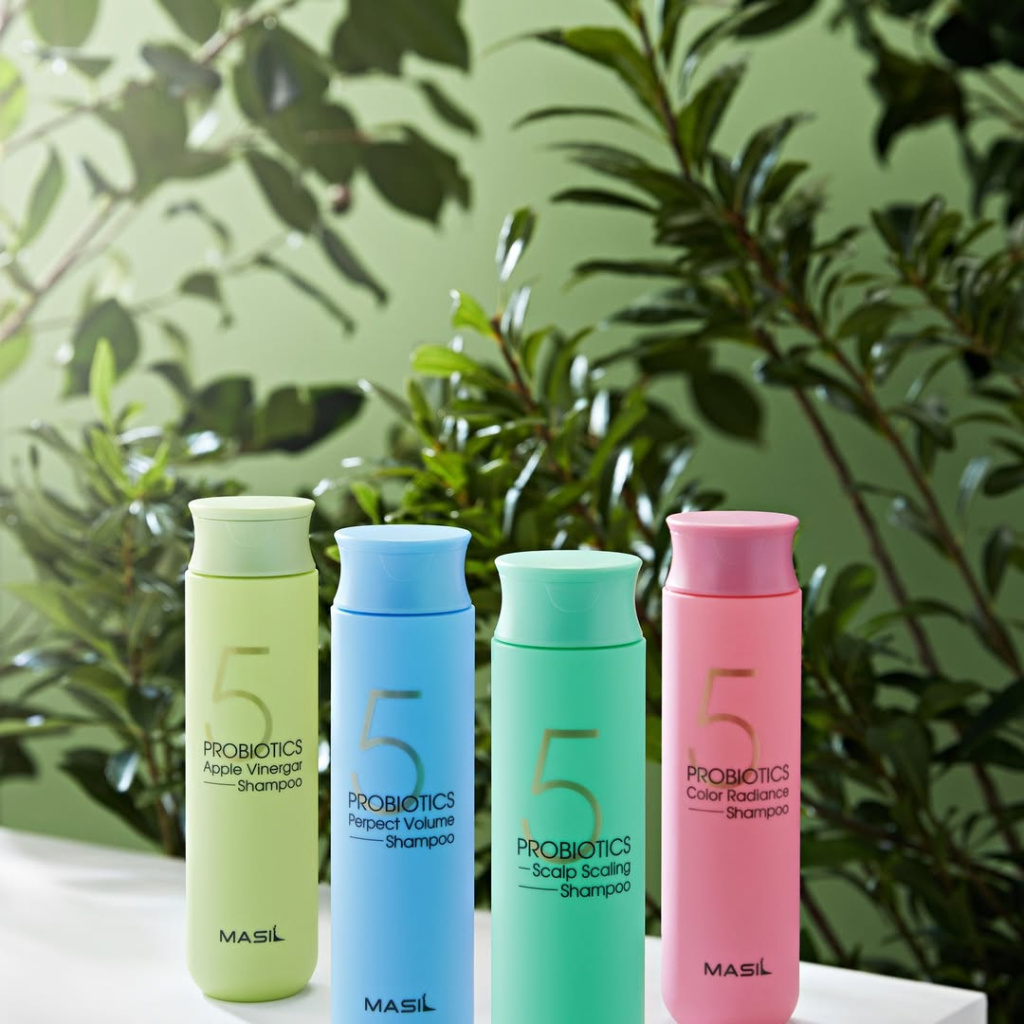
Masil 5 Probiotics Scalp Scaling Shampoo is focused on comprehensive cleansing: salicylic acid removes impurities from the follicles, menthol cools and tones the scalp, and 5 strains of probiotics restore the microbiome. The feeling of "clean skin" after this product lasts noticeably longer than after a regular one.Active components in deep cleansing shampoos
The composition is the only way to distinguish a true deep cleansing shampoo from a regular product with "deep cleansing" in its name. Three groups of active elements listed below are responsible for a noticeable result.
Cleansing complexes
The basis of any deep cleansing shampoo is properly selected active elements that break chemical bonds between impurities and the cuticle:
Salicylic acid (BHA, 0.5-2%) – penetrates the sebaceous glands, dissolves fat plugs from within. The only acid capable of truly "pulling" sebum from the follicles, rather than just washing it off the surface
Glycolic acid – the smallest molecule among AHA, dissolves bonds between dead cells and slightly improves scalp texture
Lactic acid – milder than glycolic, suitable for sensitive skin, regulates pH and provides a light exfoliating effect
Apple and lemon vinegar – natural sources of acids with additional antibacterial action
EDTA and citric acid (chelators) – bind calcium and magnesium ions, critically important in hard water
Natural absorbing components
Absorbents are physical traps for fat and toxins. They are especially important in the composition of dry shampoos but are also found in wet formulas:
Zeolite – a volcanic mineral with a microporous structure; effectively absorbs oils and toxic molecules. Safe and biologically inert
Bentonite clay – attracts positively charged molecules of pollutants (most pollutants and toxins are like this). When rinsed, it "carries" them away with it
Rice starch – absorbs excess sebum while simultaneously adding volume and lightness at the roots
Silica – micro-particles that mechanically polish the surface of the cuticle without an abrasive effect
Argilan (kaolin) – soft white clay, especially suitable for sensitive scalps where bentonite may be too active
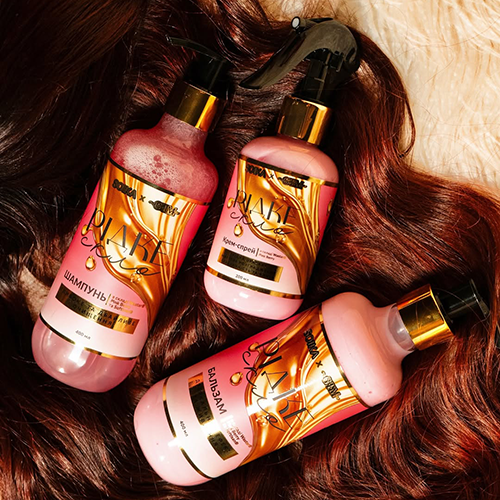
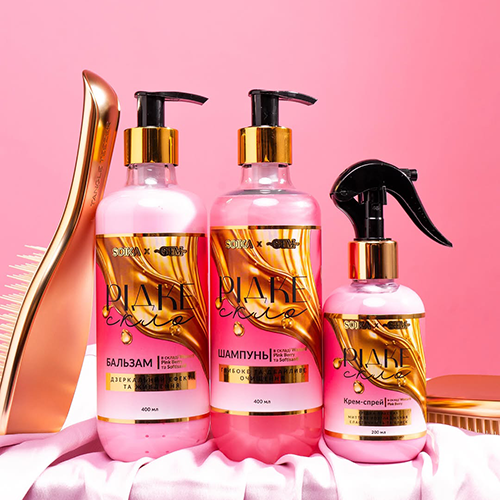
SOIKA Liquid Glass – shampoo for deep and gentle cleansing combines acidic cleansing with the restorative complex Wastar Pink Berry (bioflavonoids), which protects the skin from oxidative stress after the procedure. Designed for dry and damaged hair that requires deep cleansing without additional stress.
Plant extracts for the scalp
Plant active ingredients in deep cleansing shampoo act as a "buffer." They soften the aggressive impact of acids and restore the scalp after intensive cleansing. Without them, the product cleanses effectively but at the cost of irritation:
Peppermint and lemon balm – cooling, toning, antibacterial action. They have a "freshness" effect that is felt after drying
Witch hazel – tightens pores, reduces redness, strengthens the vascular walls around the follicles
Centella asiatica – accelerates skin recovery and strengthens roots, especially relevant after aggressive cleansing
Eucalyptus and tea tree – natural antiseptics, suppress the growth of fungal microorganisms without disrupting the beneficial microflora
Prebiotics (inulin, alpha-glucan oligosaccharide) – do not cleanse but "feed" beneficial bacteria of the scalp, which restore the microbiome after the procedure
Rosemary and nettle – stimulate microcirculation; after deep cleansing, the skin responds particularly well to these active ingredients
When choosing a deep cleansing shampoo, look for not only cleansing acids in the composition but also restorative extracts. Their presence is an indicator of a balanced formula that will not turn deep cleansing into a stress for the scalp.
How to properly use deep cleansing shampoos
If you buy deep cleansing shampoo and use it incorrectly – you will only get half the effect. Technique matters here more than with regular washing because active ingredients require time and proper contact.
Frequency of using shampoo for oily scalp
The most common mistake is either using deep cleansing shampoo too rarely (the effect does not have time to manifest) or too often (especially with dry or colored hair).
Scalp type | Recommended frequency | Why this frequency | Recommendations and notes |
Normal skin, moderate use of styling | Once every 2-3 weeks | Maintains cleanliness without disrupting the natural balance | A gentle deep cleansing is sufficient |
Oily scalp | 1-2 times a week | Removes excess sebum and prevents follicle blockage | Use a specialized product |
Colored or bleached hair | Once every 3-4 weeks | Preserves pigment and does not dry out porous hair | Preferably a sulfate-free option |
Dry or sensitive scalp | No more than once a month | To avoid disrupting the lipid barrier and provoking dryness | Use the gentlest formulas |
Professional deep cleansing shampoo in salons is a standard step before most chemical procedures. At home, it is sufficient to rely on how your skin feels: if your hair starts to "get greasy" faster again or you feel "accumulation" – it’s time.
Proper application of deep cleansing shampoos
The process of applying deep cleansing shampoo is fundamentally different from daily washing:
Wet hair with warm water for at least 40-60 seconds – this will help prepare the skin for the action of the components
Apply the product exclusively to the scalp and roots, without distributing it along the length
Massage with your fingertips (not nails!) for 2-3 minutes
Leave on for 3-5 minutes – most active substances (especially acids) require time to react
Rinse thoroughly with warm water, finishing with 15-20 seconds of cool water – it closes the cuticle after cleansing
Hair care after cleansing
After intensive cleansing of the scalp, the hair is in the most "open" and vulnerable state. This is both a risk and an opportunity to improve the condition of the hair, as they better absorb subsequent care products in this state:
A conditioner or balm is essential for the length – not for the scalp: after intensive cleansing with enhanced surfactants, the strands need to restore their lipid layer
Thermal protection – after removing the natural lipid layer, the cuticle is more vulnerable to thermal stress
Leave-in serum for the ends – will close the most porous area without the risk of weighing down the scalp
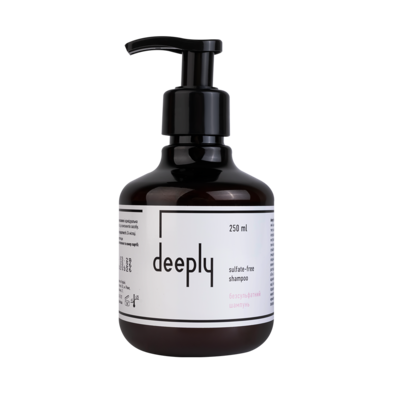
If after deep cleansing shampoos the scalp feels "tight" – your skin is dry and the product is too intense. Try reducing the exposure time to 1-2 minutes or switch to a gentler option, such as one without SLS.
Benefits of deep cleansing shampoo
Professional deep cleansing shampoo is an essential attribute of any beauty routine. It addresses real tasks that regular products cannot solve:
Volume returns without any "boosters" – the reason for its absence is eliminated, not masked
Masks and serums begin to work fully – active substances reach the cuticle instead of getting stuck in accumulations
The scalp breaks free from the vicious cycle of oiliness – sebum production normalizes instead of compensatory enhancement
Hair stays fresh longer – on cleansed skin, sebum is distributed more evenly and slowly
Color treatment lasts more evenly – pigment does not compete with accumulations during application
Shampoo for oily scalp is an important tool for maintaining the health of strands and scalp. It effectively removes accumulated residues, restores the breathing of follicles, and significantly increases the strands' receptiveness to further care. As a result, this gives a consistently healthy appearance and quality of strands without the constant need for salon cleansings.
You can buy deep cleansing shampoo right now at Staleks. In our catalog, you will find a wide range of hair care products.
Frequently asked questions about deep cleansing shampoo for the scalp
What is deep cleansing shampoo for hair? It is a product that removes accumulated impurities: polymer residues from styling, minerals from hard water, sebum in follicles, and dead cells. It contains acids, chelators, or absorbents – depending on the format.
How does it differ from regular shampoo? Regular products remove fresh surface impurities. Professional deep cleansing shampoo acts deeper: it breaks chemical bonds between residues and the cuticle, penetrates the follicles, and neutralizes mineral deposits.
How often can I use deep cleansing shampoo for hair? For normal skin – once every 2-3 weeks. For oily skin – 1-2 times a week. For dry or colored hair – no more than once a month.
Are these products suitable for oily scalp? Yes. Deep cleansing shampoos clear the ducts of the follicles and normalize sebum production. For regular use with oily type, choose a deep cleansing shampoo with a balanced acid base – without complete degreasing. Optimal formulas with AHA/BHA and prebiotics.
Can it be used for colored hair? Yes, but no more than once every 3-4 weeks and preferably choose a sulfate-free option. Better to use it before coloring, rather than after: a cleansed cuticle accepts pigment more evenly.
Does it help remove residues of styling products? Yes. Chelators and acids in deep cleansing shampoo break down the polymer bonds of styling. Products with EDTA and acids are especially effective against silicone residues.
How to properly use deep cleansing shampoo? Apply to wet scalp, massage for 2-3 minutes, leave for 3-5 minutes, rinse with warm water finishing with a cold rinse. At the end, it is essential to use a conditioner or mask for the length.
Shampoos Cost on staleks.ua
Name | Price |
| MiniMi Children's Shampoo REAL BOYS 250 ml | 430.00 UAH |
| MiniMi Moisturizing Shampoo for Children 250 ml | 430.00 UAH |
| Cleansing Shampoo BIOTOP 09 250 ml | 1 651.00 UAH |
| BIOTOP 04 Shedding Shampoo 250 ml Hair Loss Shampoo | 1 585.00 UAH |
| BIOTOP 19 Anti-Yellow Shampoo Pro Silver 250 ml | 1 953.00 UAH |
Deep Cleansing Shampoos - customer reviews