Serum for Problematic Facial Skin



 In stock
 Buy
 In stock Buy
 In stock Buy
 In stock Buy
 In stock Buy
 In stock Buy
A serum for problematic facial skin is a concentrated treatment with a high proportion of active ingredients and a lightweight texture. It addresses oily shine, supports the epidermis prone to inflammation, and helps to even out post-acne marks. Unlike a cream, which works over the entire surface, this format targets specific areas: it dries out a blemish, soothes an irritated spot, or inhibits bacteria in the pores. On the website staleks.ua, you can find serums for problematic skin from brands such as HOLLYSKIN, Re Care, SKIN1004, Nika Zemlyanikina, and Marie Fresh – ranging from drying mineral products to soothing centella ampoules for sensitive areas.
Serum for Problematic Facial Skin: What It Is and When to Use It
Essentially, a serum for problematic facial skin is a cosmetic treatment product with a high concentration of actives. It is a liquid or gel-like formulation applied locally: to the blemish itself or the problematic area, rather than to the entire face at once. While a regular cream serves as basic care and hydration, a serum for problematic skin addresses specific issues and contains more active components per unit volume.
This type of cosmetic will be appropriate in situations when:
-
a fresh inflamed bump appears that you want to dry out quickly;
-
the skin becomes oily and shiny by lunchtime;
-
dark spots remain after healed pimples;
-
there are areas prone to constant breakouts, such as the chin or forehead.
In each of these cases, the product's positioning is the same: targeted assistance, not a replacement for daily cleansing and moisturizing.
Technical Specifications
Before choosing a serum for problematic skin, it is worth understanding its properties. Here are the key points to consider when selecting:
-
Purpose. The product is designed for localized treatment of breakouts, not for general daily care of the entire face.
-
Format and volume. The bottles are small, ranging from 10 to 30 ml, because the consumption of a targeted product is minimal. One package lasts a long time.
-
Texture. It can be liquid, like a lotion with sediment at the bottom, or lightweight gel-like. The former dries quickly on the surface, while the latter absorbs and leaves no film.
-
Application area. Some products work strictly on the spot, applied with a cotton swab directly to the blemish. Others can be spread over the problematic area in a thin layer.
-
Key effects. There are two scenarios: drying out inflammation or soothing it. This determines what you will achieve in the end.
-
Skin type. Most formulas are designed for oily and combination skin types, but there are gentle options for those who react with redness to any active ingredient.
-
Sensations upon application. A slight tingling or coolness from camphor is a normal reaction. Burning and tightness across the area signal that the product has been applied too broadly.
The format and action are closely related: liquid lotions with calamine usually dry more, while gel and ampoule textures are gentler and closer to skincare. This is the first thing to consider before purchasing.
Composition and Active Ingredients of Serum for Problematic Facial Skin
The effectiveness of a serum for problematic skin is determined by what is inside. Each brand has its own set of actives, and they work differently: some draw out excess from inflammation, others inhibit bacteria, and some even out skin tone. The table below breaks down the mechanism of each component and its practical benefits.
| Active | How It Works | What It Provides |
| Calamine | A mixture of zinc oxide and iron oxide, absorbs excess sebum and fluid from inflammation, giving the product a pink color. | Redness and swelling decrease, making the blemish less noticeable. |
| Zinc oxide | Dries out, regulates the work of sebaceous glands, creates a light protective barrier over the area. | Less shine, inflammation calms down. |
| Sulfur | Regulates sebum production, dries out, acts antibacterial. | New elements appear less frequently on oily surfaces. |
| Kaolin and talc | Mineral adsorbents that superficially absorb excess oil and mattify the surface. | Skin remains matte longer, the area dries out. |
| Salicylic acid | Penetrates into the pore and cleans it, reduces inflammation. | Contents exit faster, inflammation subsides. |
| Lactic acid | A gentle AHA acid that delicately renews the surface. | Smoother texture, less noticeable marks. |
| Camphor | Provides a cooling sensation; in some products, it is claimed as an antiseptic component. | Freshness and light soothing upon application. |
| Tea tree oil | A natural antiseptic that inhibits bacteria that cause breakouts. | The area calms down without drying out the surrounding skin. |
| Niacinamide | Helps regulate oiliness and lightens post-inflammatory marks. | More even tone, fewer post-acne spots. |
| MSM (dimethyl sulfone) | Helps calm the skin and supports its recovery. | Skin tolerates the active formula better. |
| Panthenol | Soothes and softens irritated epidermis. | Comfort after drying components. |
| Witch hazel | A plant extract that slightly tightens pores and tones the skin. | The surface appears smoother. |
| Black willow extract | A natural source of salicylates that gently cleanses pores. | A gentle alternative to synthetic acids. |
| Bisabolol | A chamomile component that alleviates irritation and redness. | Comfort for sensitivity. |
| Centella | Soothes irritation and supports recovery. | Suitable for problematic and simultaneously sensitive skin. |
| Corn oil | Nourishes and softens. | Less dryness from active components. |
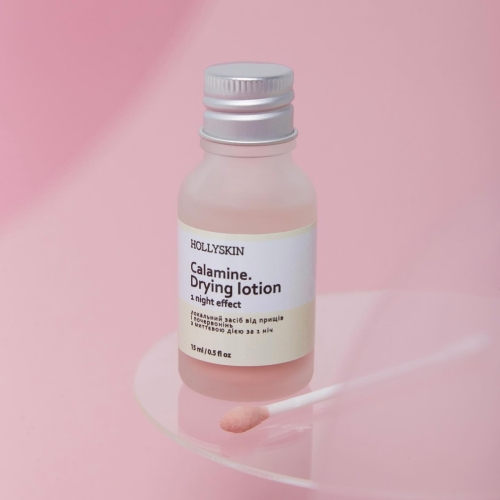
The composition of these products is built on the principle of complementarity: drying active components are paired with softening ones to prevent the skin from drying out. Each of them addresses its own task: some adsorb excess sebum and exudate from the surface of inflammation, while others soothe and prevent the skin from reacting with irritation. Notably, the main work here is done not by synthetic substances, but by natural components – calamine, tea tree oil, kaolin, centella, conifer extracts – the formula works due to the balance of drying, anti-inflammatory, and soothing components of both plant and laboratory origin.
How to Choose Cosmetics Based on the Stage of Breakouts
A common mistake is to buy a product based on the brand or reviews, rather than what is happening with the skin right now. Meanwhile, the stage of the breakout determines whether the serum for problematic skin will work or be ineffective. Let’s break it down:
-
A fresh inflamed bump with a white head – a case for a drying product. Calamine and zinc oxide absorb the exudate and sebum on the surface.
-
Redness and swelling without a head – a stage where there is nothing to dry yet. Here, a soothing format is more logical: centella and gentle extracts reduce inflammation and prevent it from spreading.
-
A painful nodule without a surface exit – the most challenging option. For deep subcutaneous nodules, drying products are ineffective. Here, anti-inflammatory actives (azelaic acid, niacinamide) are needed to reduce swelling without trauma.
-
A dark spot where a pimple has healed – this is not inflammation, but a mark. Drying products do not affect it; a brightening active like niacinamide works, and even that gradually.
In short: first, look at the element, then choose the product. The same breakout at different stages requires different approaches, and understanding this saves money and nerves, as well as helps to truly tackle the problem.
Types of Serums for Problematic Facial Skin and How to Choose
Within the category of serums for problematic facial skin, products differ significantly in action, and the choice depends on what bothers you more – inflammation, oiliness, or sensitivity. Here’s a mini-review of available options:
| Product | Type of Action | Who It Is Suitable For |
| Spot drying with sulfur and salicylic acid. | Oily skin, large inflammations, need for quick results. | |
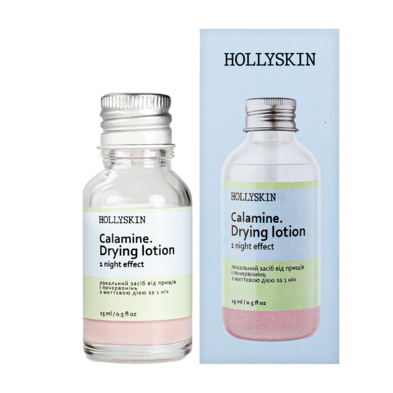
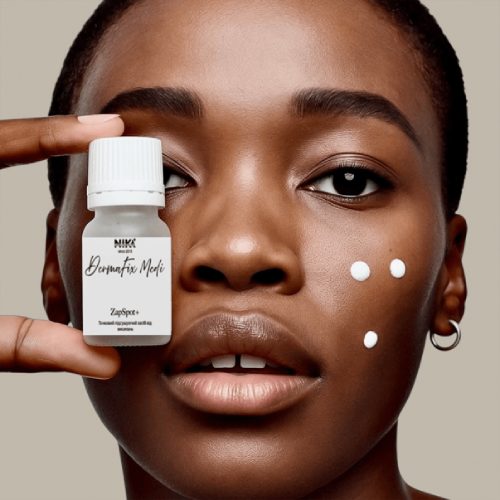
| Spot drying with calamine and bisabolol. | For those who cannot tolerate aggressive formulas but need to dry out inflammation. | |
| Spot treatment with calamine, niacinamide, and MSM. | Breakouts plus post-acne marks, combination skin. | |
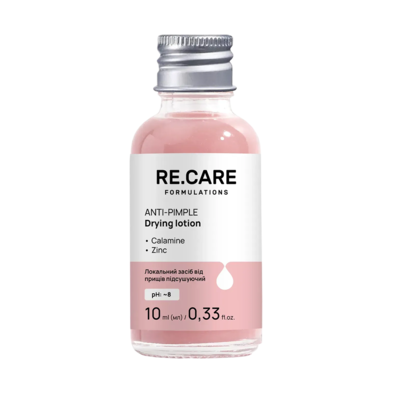
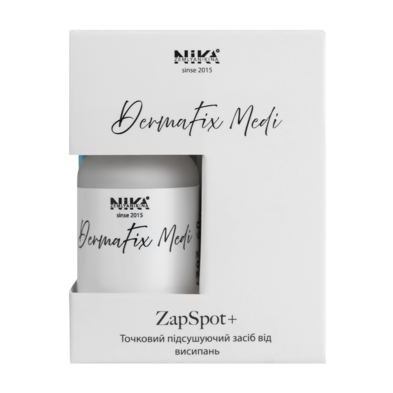
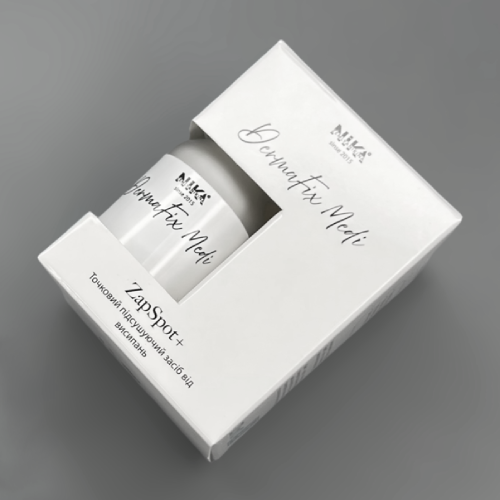
| Spot treatment with zinc oxide and tea tree oil. | Regular breakouts, tendency to oiliness. | |
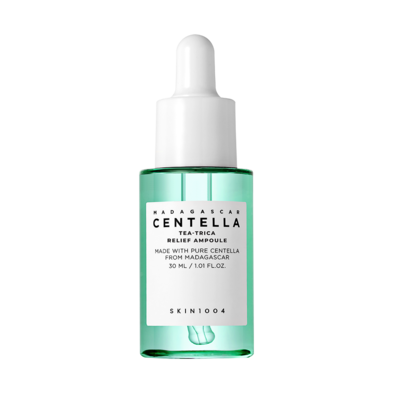
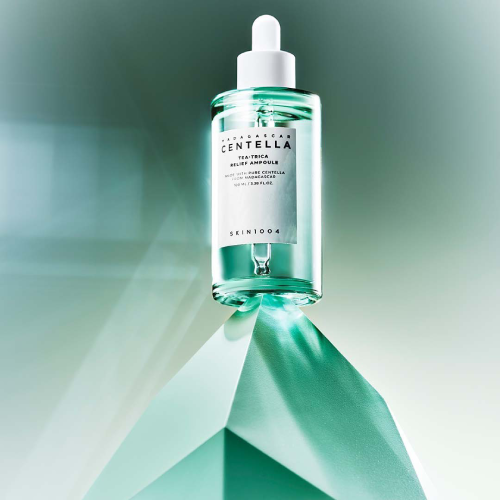
| Soothing ampoule-serum for zonal application. | Sensitive skin, redness, application to the area. |
The target audience for drying products is individuals with oily skin and pronounced inflammation. Serums in a gentle, soothing format are needed by those whose irritation coexists with sensitivity. Such products often have a hypoallergenic label and undergo non-comedogenic testing, meaning they do not clog pores.
If you have noticed a strong reaction to new cosmetics, it is advisable to choose an option suitable for sensitive skin.
Application Technique for Serums for Problematic Facial Skin
The correct order of actions affects the result as much as the composition itself. To ensure that the serum for problematic facial skin works and that adjacent tissues are not harmed, follow this algorithm:
-
Clean the surface with a gentle product and pat dry. On a damp or oily surface, adhesion is poorer.
-
Identify the focal point and its boundaries to avoid applying the active ingredient beyond the inflammation.
-
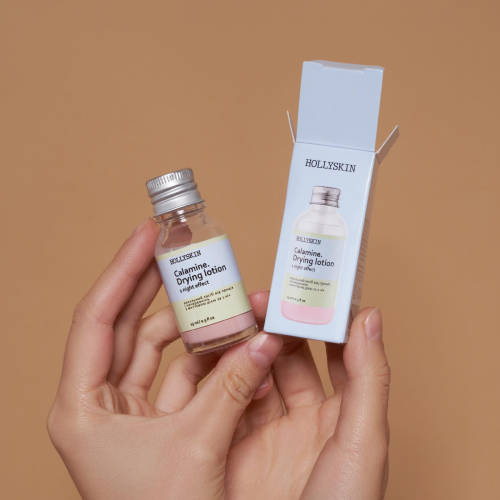
For liquid products, shake the bottle or, conversely, draw the pink sediment from the bottom – refer to the specific product instructions.
-
Apply with a cotton swab directly to the blemish. For zonal ampoules, distribute a couple of drops over the problematic area.
-
Maintain the order in your skincare routine: the anti-inflammatory product goes before creams and other layers. If applied on top, a thick layer will prevent the actives from working.
-
Allow to dry completely. If the spot treatment is not dry, foundation will apply unevenly and start to roll off, so apply it in advance before makeup.
Drying formulas are more convenient to use at night and wash off in the morning, while soothing ones can be included in daytime care. The more precisely the order is followed, the faster the inflammation subsides and the lower the risk of drying out the healthy skin nearby.
Common Mistakes When Using
Even a good serum for problematic skin will not work or may produce undesirable effects if basic rules are violated. Here are the most common issues:
-
Application to the entire face. Drying formulas are designed for spot use. If spread too broadly, the skin responds with flaking and tightness.
-
Mechanical action on the blemish. Many first squeeze the pimple and then apply the product. This only inflames the area more, and there is a risk of secondary infection, which can lead to atrophic scars and persistent post-acne. The product should be applied to the untouched blemish.
-
Excessive drying. If an aggressive formula is used several times a day, the skin dries out and starts to produce even more oil.
-
Using expired products and improper storage. After opening, a product has a limited shelf life, and actives like calamine and tea tree oil lose potency in light and heat. Keep the bottle tightly closed, away from sunlight and heaters, and do not use it after the expiration date – it will not work, and irritation may occur.
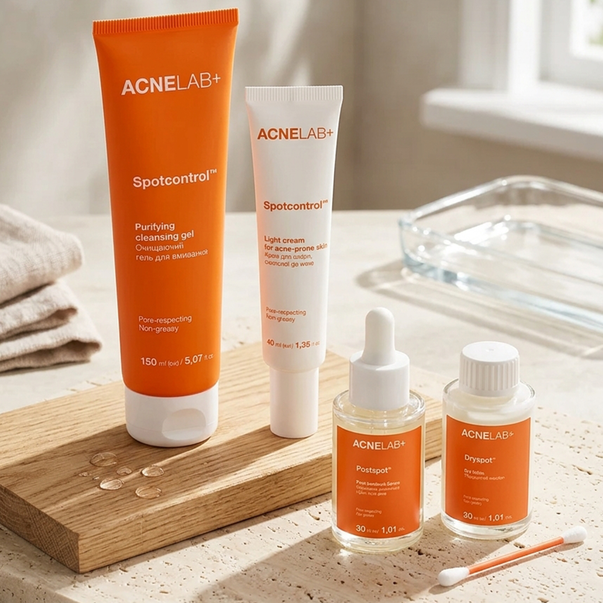
By addressing these mistakes, you will get from the product exactly what you intended: the main action here is drying and soothing inflammation, while additional effects include mattifying and lightening post-acne marks.
What Serums for Problematic Skin Do Not Do
A clear understanding of the product's limitations helps prevent disappointment. Localized products excel at their task, but it has clear boundaries.
-
They do not treat acne as a condition. If breakouts are abundant, regular, and cover large areas, spot treatment will address individual elements but not the underlying cause. In such cases, it is wise to consult a specialist.
-
They do not work on blackheads. Non-inflamed comedones cannot be dried out – different formats of care, such as exfoliating and cleansing, are needed here.
-
They do not replace basic care. Cleansing, moisturizing, and sun protection remain foundational. A serum is an addition to the routine, not the entire routine itself.
-
They do not eliminate the causes of breakouts. Dirty pillowcases, constant touching of the face with hands, comedogenic cosmetics – localized products are powerless against these factors. Eliminate such triggers, and perhaps the problem will resolve itself.
Understanding these boundaries is a sign of a knowledgeable approach. Use the serum where it is truly strong, but do not expect the impossible from it.
FAQ: Common Questions About Serum for Problematic Skin
-
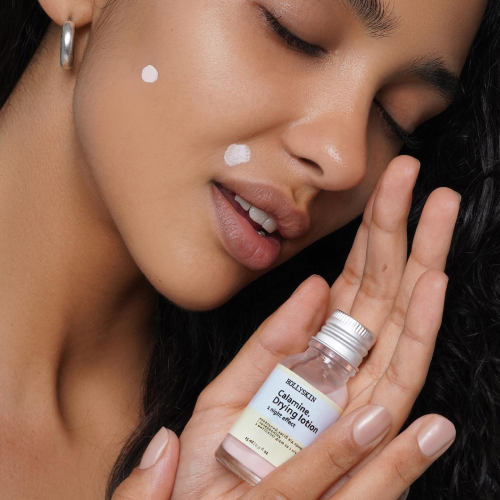
Is it normal for the calamine serum to have a white or pink sediment at the bottom? Yes, this is normal and even correct. Calamine is an insoluble powder that settles at the bottom of the bottle, while a clear liquid remains on top. This pink sediment is the active part of the product. Many do not shake such lotions: they dip a cotton swab directly into the sediment at the bottom and apply it spot-wise to the inflammation. Always refer to the specific product instructions – for some products, the bottle is shaken instead.
-
Why is there alcohol in some products, and does it harm the skin? Alcohol in spot treatments acts as a solvent and helps the formula dry quickly on the surface, allowing actives to work in place. On a larger area, it would indeed dry the skin, but with spot application directly on the blemish, it hardly contacts the healthy skin around and does not create a problem.
-
How quickly can results be seen? It depends on the stage of the breakout. A mature element with a head noticeably reduces overnight. Deep inflammation requires two to three days of repeated applications. Dark post-acne spots lighten the slowest – this takes weeks of regular application of a brightening active.
-
Can it be combined with acids or retinol? Cautiously. If you use an acid toner or retinol that same evening, it is better not to apply the drying product to the same areas, as the double load irritates the skin. Space them out over different days.
-
Is SPF necessary if I use such products? Yes. Many actives, especially acids on damaged skin, make it more sensitive to the sun. Daily SPF is essential regardless of the weather.
-
How does a spot treatment differ from a zonal ampoule? The spot treatment targets one element and dries it out significantly. The ampoule is gentler, covers an entire area, and is more soothing than drying.
-
What should I do if my skin feels tight after application? Remove excess, apply a light moisturizer to the healthy areas around, and next time, use less product strictly on the focal point.
-
Does the serum spoil if air or skin particles from the cotton swab get into it? Yes, re-dipping a used swab into the bottle introduces bacteria and contaminates the composition. Use a clean swab for each application, and if the product becomes cloudy or changes smell – it’s a sign that it’s better not to use it.
Serums for Problematic Skin: Clear Skin Without Excess Products
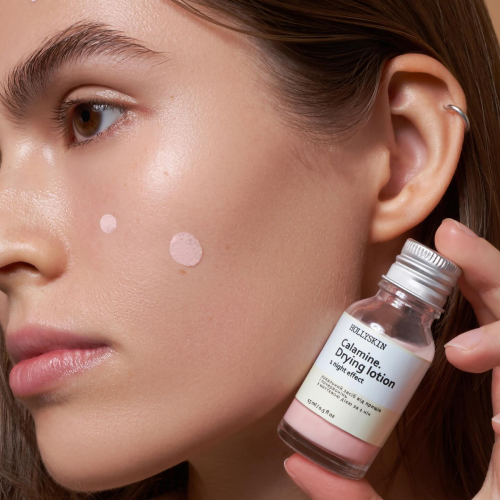
Care against breakouts does not operate on the principle of "the more products, the better." Each serum for problematic facial skin in the selection addresses its specific task: to dry out inflammation, soothe irritation, or even out tone after healed elements. Therefore, it is wiser to keep several different formulas on hand for specific skin conditions rather than looking for one product that can handle everything at once.
On the online store staleks.ua, you can purchase such serums from leading brands: the entire range is available for order with delivery across Ukraine and abroad. If you need help selecting based on skin type, the Staleks managers will advise you on what to choose for spot treatment and what for an entire area.
-
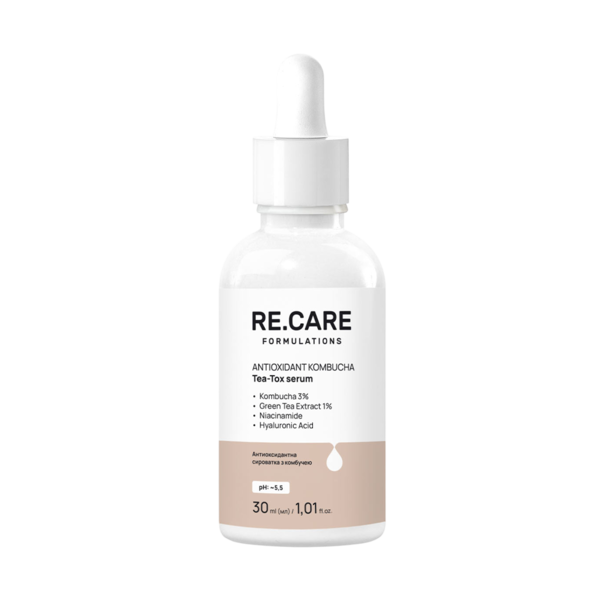
Spot calamine products (HOLLYSKIN, Re Care, Marie Fresh) are applied only to the inflamed element, not to the entire face.
-
Zinc oxide and tea tree oil (Nika Zemlyanikina) dry out and inhibit bacteria.
-
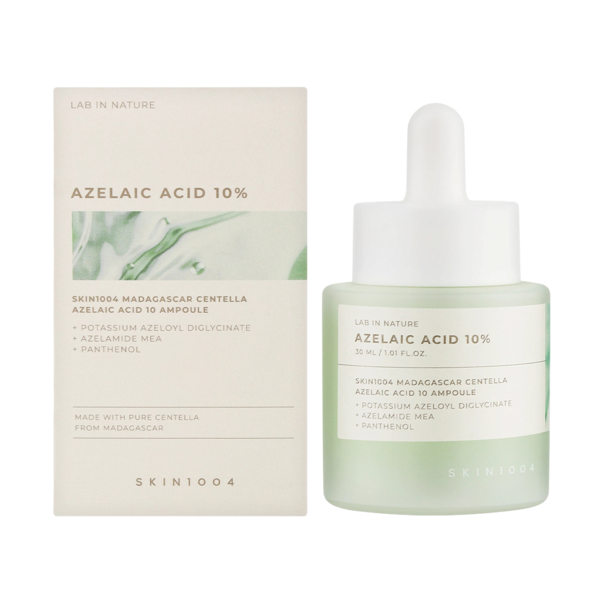
The centella ampoule from SKIN1004 is a gentle option for sensitive skin, for zonal application.
-
Choose the product based on the stage of the breakout, not the brand: a fresh pimple needs a drying product, redness without a head needs a soothing one.
-
Order of care: cleansing → anti-inflammatory product on dry skin → cream; makeup only on dried product.
-
Do not combine products with acids and retinol on the same areas in one evening; daily SPF is mandatory.
-
Store tightly closed, away from sunlight and heat, and do not use after expiration.
-
Localized products do not treat acne as a condition and do not replace basic care.
Face Serums Cost on staleks.ua
Name | Price |
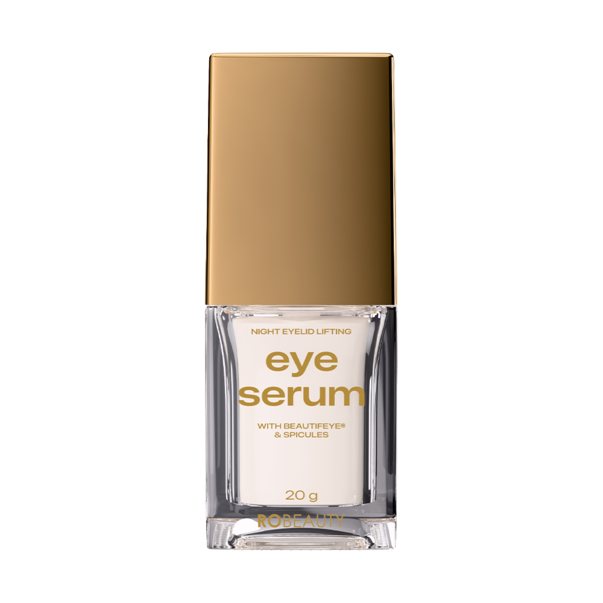
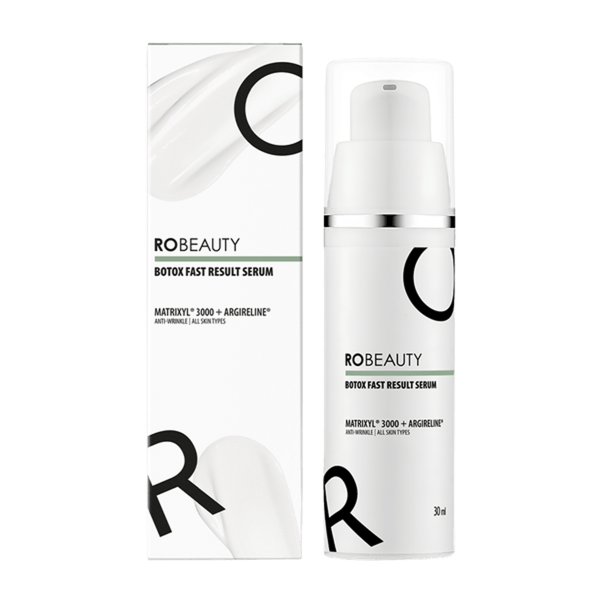
| Lifting Eye Serum Night RoBeauty Beautifeye & Spicules 20 g | 1 590.00 UAH |
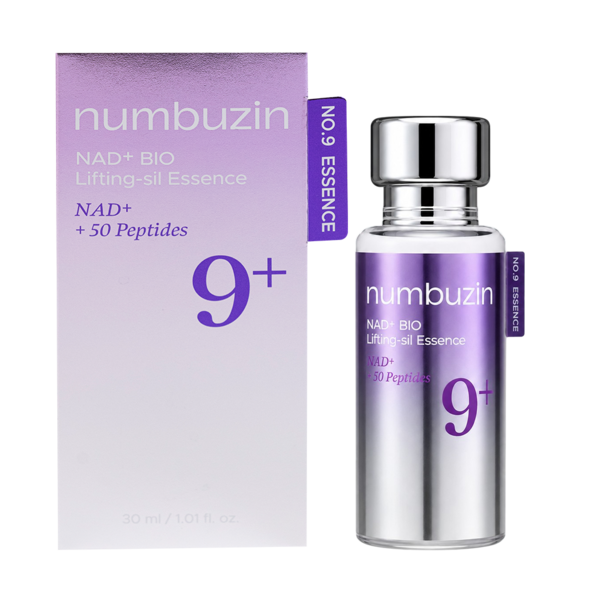
| numbuzin No.9 NAD BIO Lifting Essence 50 ml | 998.00 UAH |
| SKIN1004 Madagascar Centella Azelaic Acid 10% Ampoule 30 ml | 790.00 UAH |
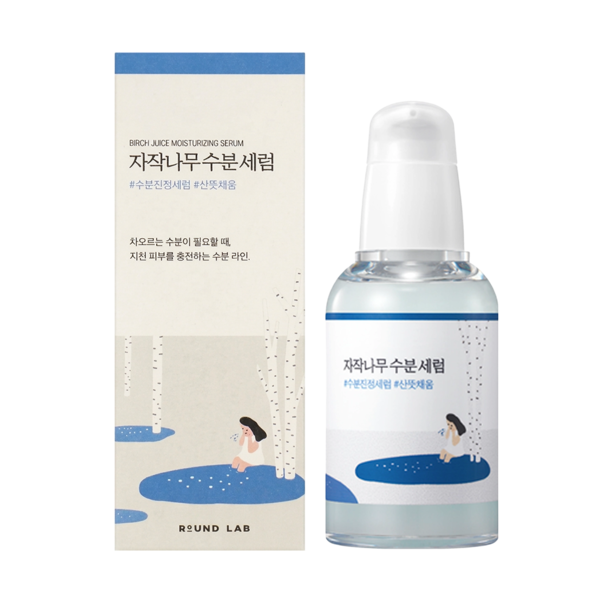
| Round Lab Birch Juice Moisturizing Serum 50 ml | 960.00 UAH |
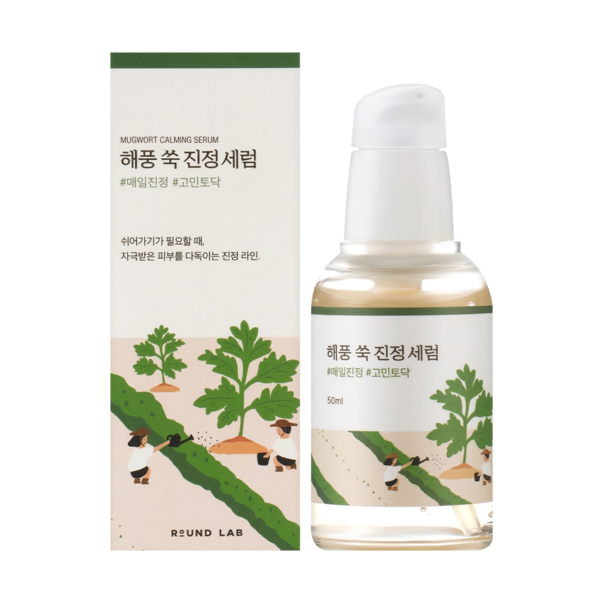
| Round Lab Mugwort Calming Serum 50 ml | 960.00 UAH |
Serum for Problematic Facial Skin - customer reviews