DNKa Nail Tops

 Buy
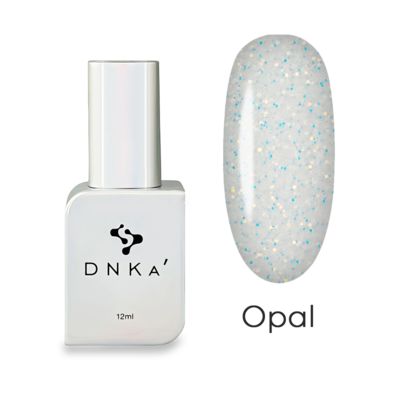 Buy
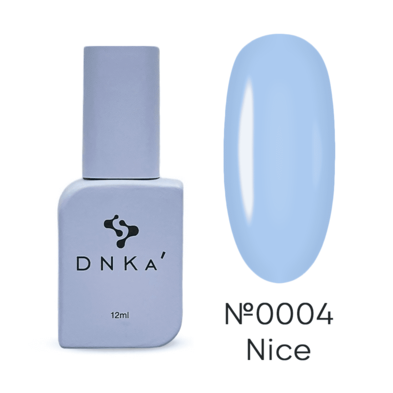 Buy
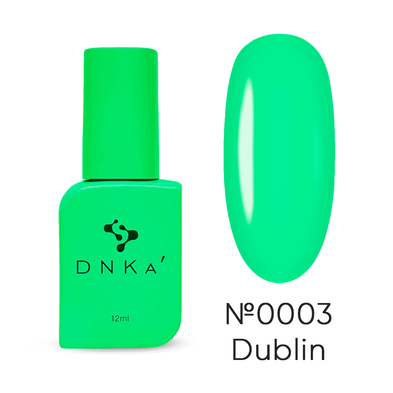 Buy
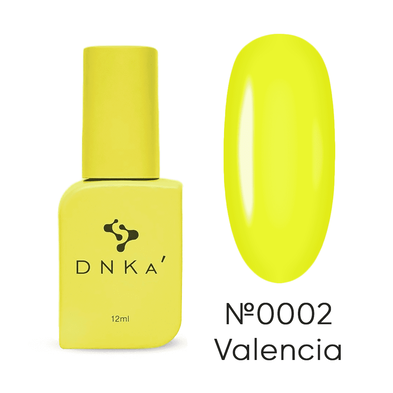 Buy
 Buy
 Buy
 Buy
 Buy
 Buy
 Buy
 Buy
 Buy
 Buy
 Buy
 Buy
 Buy
 Buy
 Buy
 Buy
 Buy
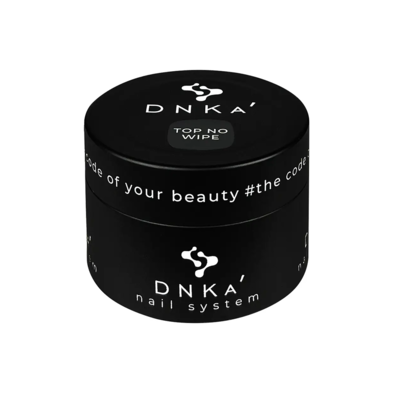
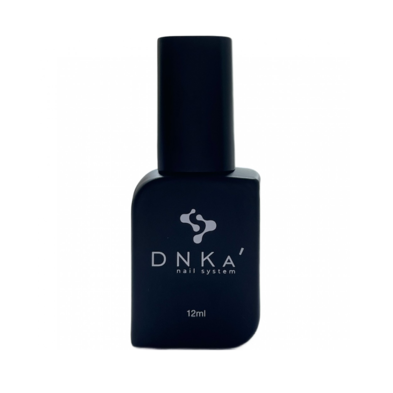
- 1
- 2
- Next
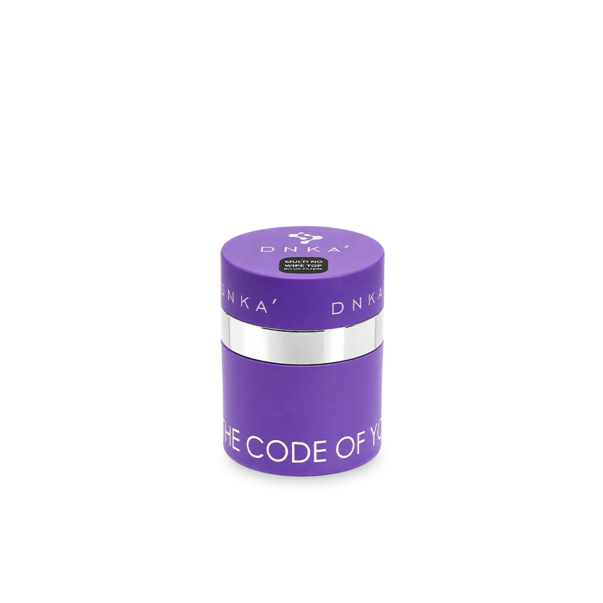
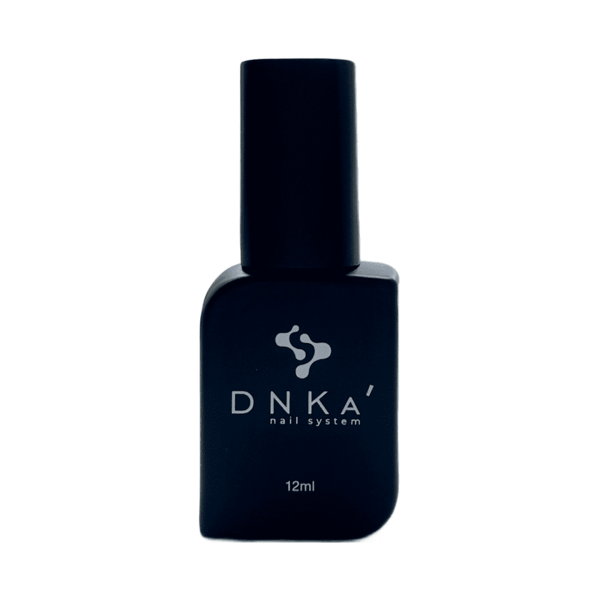
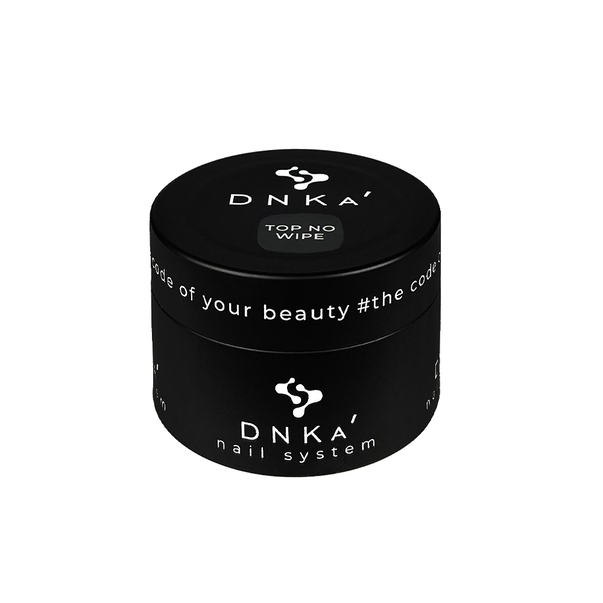
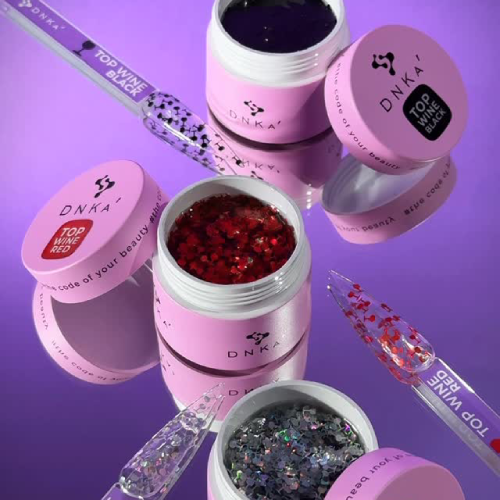
The DNKa Top for nails is a finishing coat from a Ukrainian brand that seals and protects the colored layer of the manicure after polymerization in a UV/LED lamp. Unlike the base coat, which is responsible for adhesion to the nail plate, the top coat works differently: it forms a polymer protective layer over the colored coating and decor, helping to preserve their appearance and creating a glossy finish without additional processing. The DNKa range includes transparent, milky, camouflage, colored, matte, and decorative finishes with kamifubuki. The DNKa tops presented in this category do not form a sticky layer after polymerization, so additional surface cleaning is not required. You can purchase the DNKa top for nails at the online store staleks.ua: the assortment includes 12 ml bottles with a brush and 30 ml formats without a brush, including pump jars.
Characteristics of DNKa Nail Tops
The main parameters of DNKa tops affect the shades the coating works with and how long the manicure lasts. Let's break them down in detail:
Product Type: finishing coats for gel polish, colored gel, decor
Brand: DNKa
Finish: glossy, matte
Type: no sticky layer (Non Wipe)
Types: transparent, milky, camouflage nude, colored, matte, with kamifubuki
Consistency: from liquid or medium-liquid to medium – depends on the specific top
Compatibility: gel polish, colored gel, sliders, dried flowers, and other decorative elements
Volume: 12 ml, 30 ml – depends on the product
Manufacturer: Ukraine
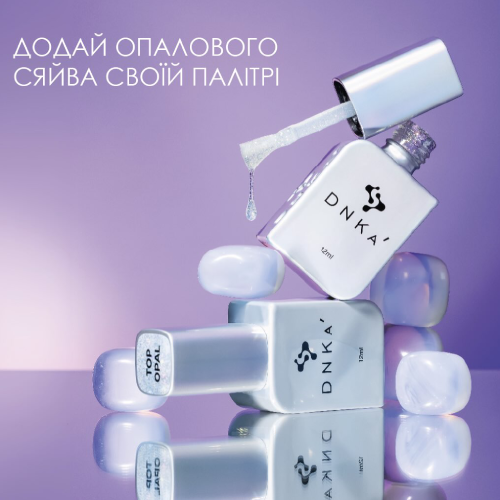
What is DNKa Top for Nails and How Does It Work
The DNKa Top is the final step in a manicure with coating. After application, it polymerizes under the lamp and forms a transparent or tinted layer over the gel polish. It protects the colored coating from mechanical damage, scratches, chips, and wear.
The foundation of the proven DNKa Top formulas consists of acrylate components that form a polymer film after polymerization. Under the influence of light in the appropriate range, photopolymerization of the acrylate system occurs, resulting in a solid polymer coating.
Key properties of DNKa top:
forms a strong protective barrier over gel polish and decor
secures sliders, dried flowers, and other decorative elements
protects the coating from mechanical damage, scratches, chips, and wear
provides intense gloss without polishing
self-levels; for a number of products, it is claimed that there is no flooding under the cuticle
does not form a sticky dispersion layer after polymerization, so additional cleansing with a cleanser is not required
Composition and Key Components of DNKa Tops
The formulas of DNKa tops vary depending on their purpose and type of finish, but components of the acrylate system are repeated in the composition of several products. They participate in forming the polymer structure of the material and its operational properties.
Acrylates Copolymer – the basic film-forming agent. It creates the framework of the finishing layer, although the final hardness and gloss depend on the balance of all components in the formula.
Propylene / Dipropylene Glycol Diacrylate – diacrylate crosslinking monomers. They act as reactive diluents that reduce the viscosity of the composition and form a densely crosslinked polymer network to enhance the coating's resistance to abrasion.
Bumetrizole – an organic UV filter. It absorbs ultraviolet light and converts it into safe heat, protecting pigments from fading. It is often found in top formulas (including DNKa), but when choosing, it is better to rely not on INCI but on the official brand label "with UV filter" or "without."
Silica – silicon dioxide, which is responsible for the material's workability. It regulates the viscosity and flow of the top coat so that it comfortably follows the brush but does not flood under the cuticle.
Important: when developing finishing coatings, the brand minimizes the use of aggressive monomers. In particular, the absence of critical concentrations of HEMA reduces the risk of developing cumulative allergies in professionals and clients with sensitive skin, making the material safer for regular use.
UV Filter in DNKa Top: When It Is Needed and When It Interferes
One of the most frequent questions when working with DNKa Top is why a UV filter is needed at all and why it is suitable for some shades but not for others. It is easy to understand this if you know how Bumetrizole works in the coating composition.
The UV absorber acts as a barrier: it absorbs part of the ultraviolet light and protects pigments from fading or yellowing. That is why masters usually choose tops with a UV filter for light palettes, relying on the recommendations of a specific brand.
Here is the nuance: Bumetrizole in the top coat can affect the visual perception of certain shades. Such changes are usually less noticeable on light colors, while they may be more pronounced on dark ones. The manufacturer indicates that Multi Top with a UV filter can give dark shades a bluish tone. Therefore, for dark, neon, and other shades sensitive to tone changes, it is recommended to choose a variant without UV filters.
Here is a simple rule for selection:
Light and pastel shades → top with UV filter, if recommended for a specific formula
Dark and rich shades → top without UV filters
Not sure → test both options side by side on a test wheel
Who Are DNKa Tops Suitable For
DNKa finishing coatings are adapted for both salon and home manicures. First and foremost, they are chosen by professional masters. However, they also work without complications at home.
DNKa gel polish top is suitable for:
manicure and pedicure masters who value the coating's resistance to mechanical damage
those who secure decor – sliders, dried flowers, kamifubuki
clients who prefer not to remove the sticky layer after polymerization
masters who work with a variety of palettes – both pastel and rich dark shades simultaneously
those looking for a camouflage finish to visually smooth out minor irregularities in the nail plate
Types of DNKa Tops: Transparent, Camouflage, and for Design
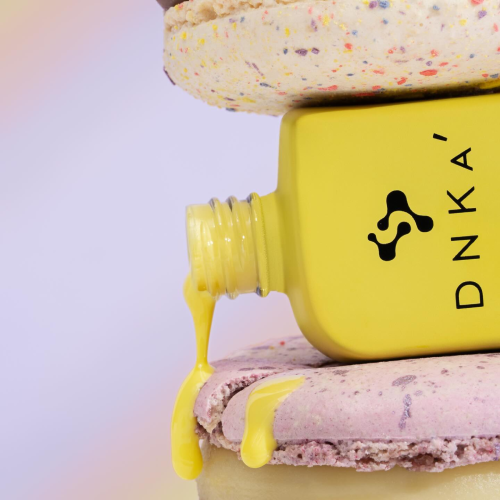
DNKa finishes vary in transparency, color, effect, consistency, presence of decorative elements, and UV filters.
Type of Top | Examples | UV Filter | For Which Shades | Consistency | Format |
Transparent with UV filter | yes | pastel, nude, light | liquid / medium-liquid | 12 ml with brush / 30 ml with pump | |
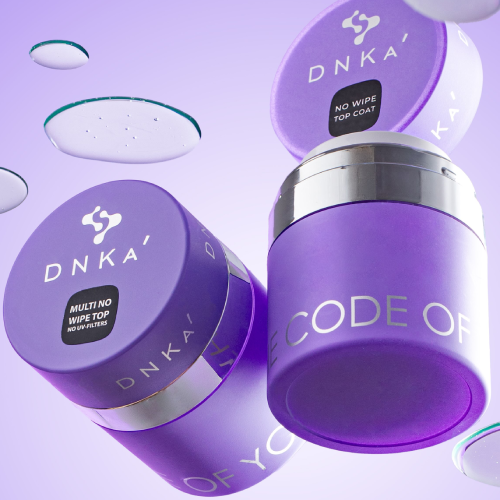
Transparent without UV filters | Multi Top DNKa Non Wipe (no UV-filters), Multi Top no UV-Filters Pump | no | dark, neon, rich | medium / medium-liquid | 12 ml with brush / 30 ml with pump |
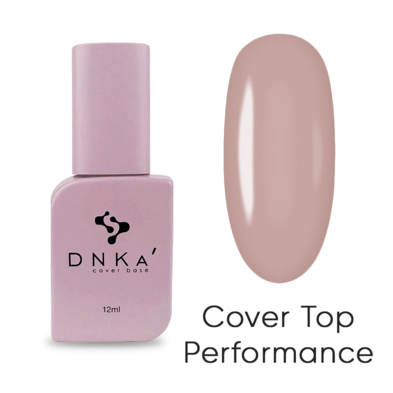
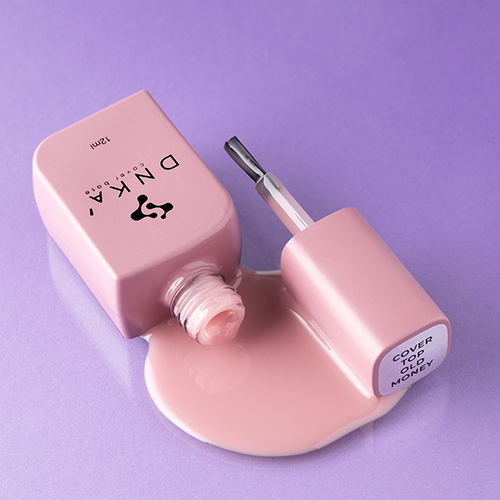
Camouflage nude | DNKa Cover Top | depends on the specific shade | nude, natural, light | medium | 12 ml with brush |
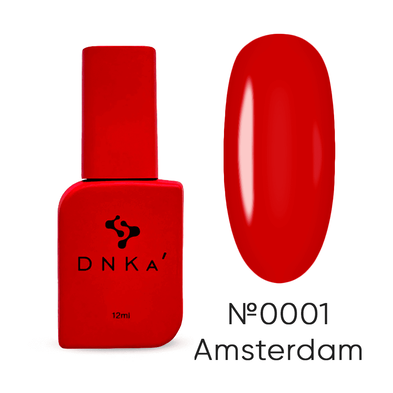
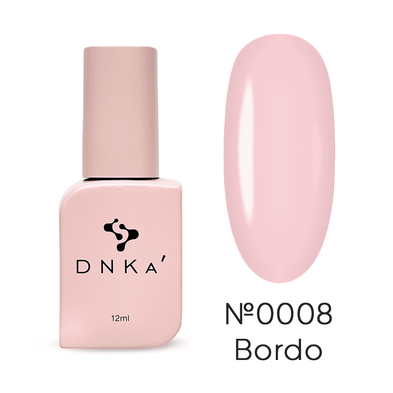
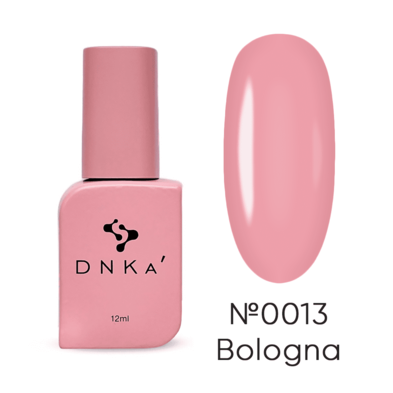
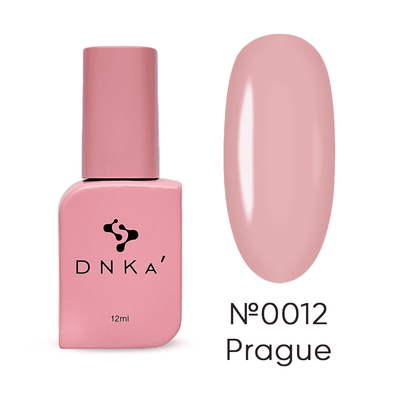
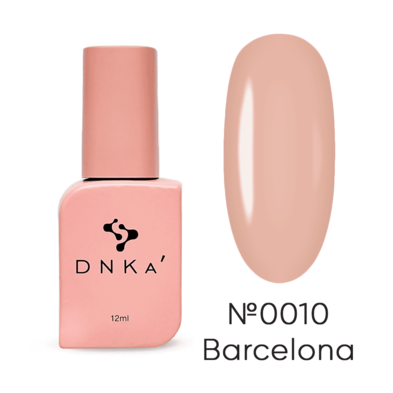
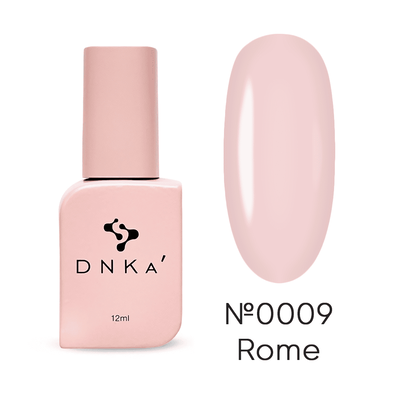
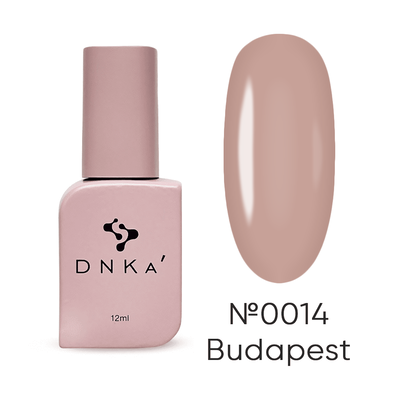
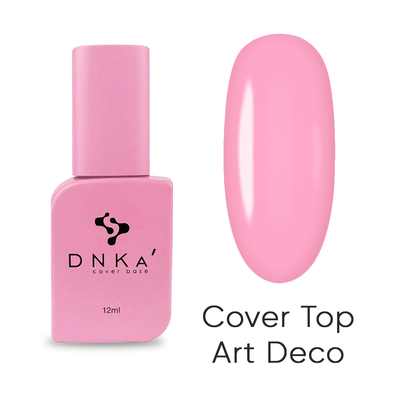
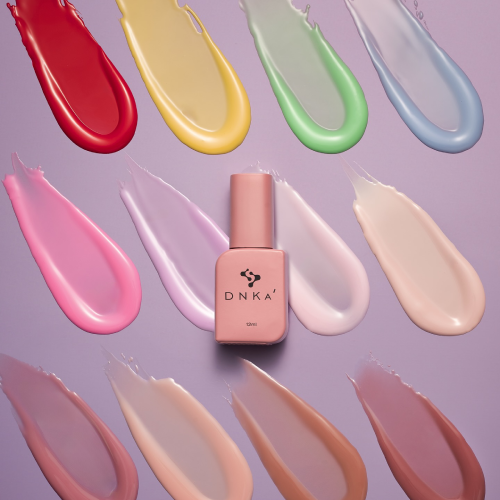
Colored | Cover Top Bordo, Rome, Barcelona, Paris, Madrid, Prague, and others | depends on the specific shade | any, including as a standalone coating | medium | 12 ml with brush |
Matte | without UV filter | any | medium | 12 ml with brush | |
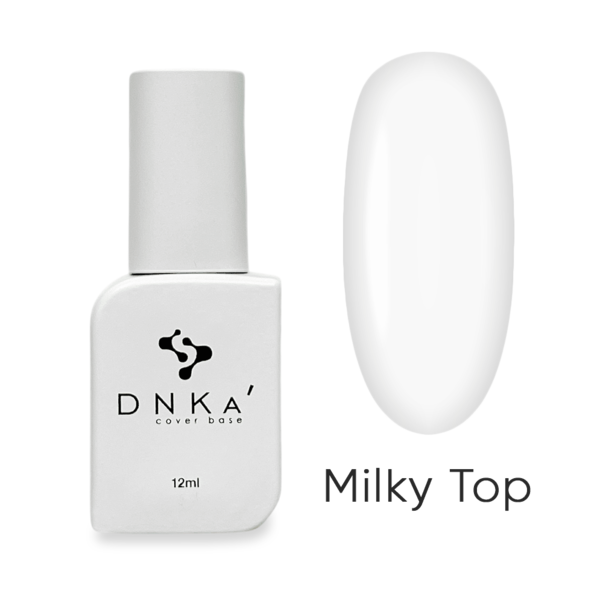
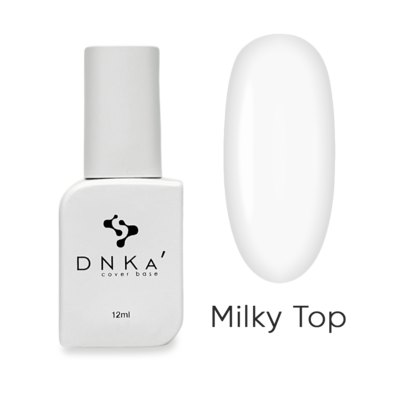
Milky | depends on the specific formula | light, nude, natural | medium | 12 ml with brush | |
For Design | with UV filter | any | medium | 12 ml with brush |
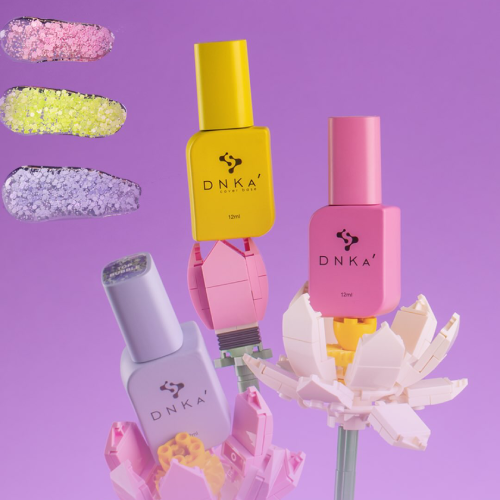
The Cover Top includes camouflage and colored finishes that can be used independently or combined with a base and gel polish, depending on the shade. When applying the camouflage top, control the thickness of the layer near the cuticle and sidewalls.
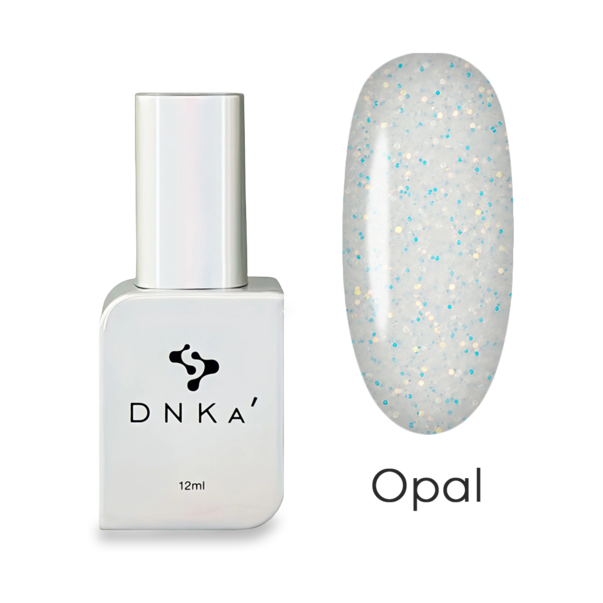
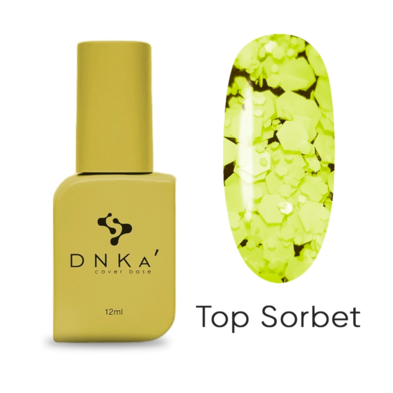
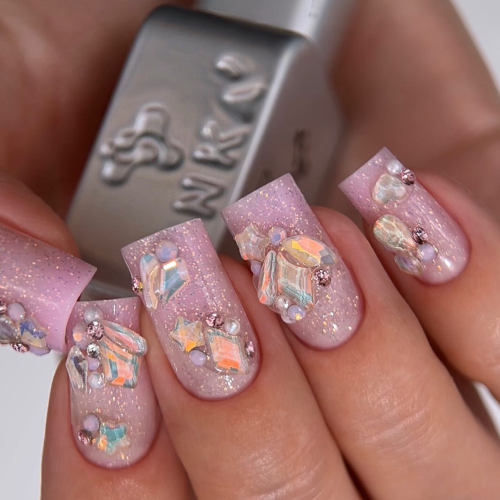
When working with decorative tops, such as Unicorn or Sorbet, larger decor may distribute unevenly across the surface. Assist the material with a fine liner brush, carefully distributing flakes or kamifubuki before polymerization in the lamp. If individual decorative elements protrude above the surface, cover them with a thin layer of transparent Multi Top. This will smooth out the protruding edges and help protect the decor from friction against clothing.
How to Apply DNKa Top for Nails
The correct application technique is the key to ensuring that the manicure lasts for the entire claimed duration. Even good material will not yield the desired result if the sequence of steps is violated.
Prepare the nail plate. Correct the shape with a file, lightly buff the surface if provided for by the application system, without thinning the nail plate.
Treat the cuticle using the chosen method, without damaging the skin and nail plate.
Clean and degrease the nail plate with the means provided for by the protocol of the chosen system.
If necessary (in case of increased nail moisture or tendency to lifting), apply a non-acid primer (ultrabond). Acid primers are used only for specific indications when working with hard systems.
Apply a base coat. Cure in a UV/LED lamp for 60 seconds or according to the instructions of the specific base.
Apply gel polish in the required number of thin layers, curing each layer according to the manufacturer's instructions.
Apply the DNKa top coat in a thin layer. Evenly distribute from the cuticle to the free edge, capturing the tip of the nail. Cure in a UV/LED lamp according to the instructions of the specific top.
After polymerization, allow the coating to cool before applying cuticle oil. For the DNKa tops presented in this article with the Non Wipe label, removal of the dispersion layer after polymerization is not required.
Apply oil to the cuticle for hydration and a finished look.
To form the perfect shine with the camouflage Cover Top or materials of medium viscosity, turn the client's hand upside down for 2-3 seconds. The finish will smoothly gather at the highest point of the apex without excess volume at the sidewalls. As for the tips – do not create a massive buildup of material on them. Apply the top with a nearly dry brush or leave the tip open if the tip was shaped during the filing stage. This will protect the coating from chipping and "overflowing" tips.
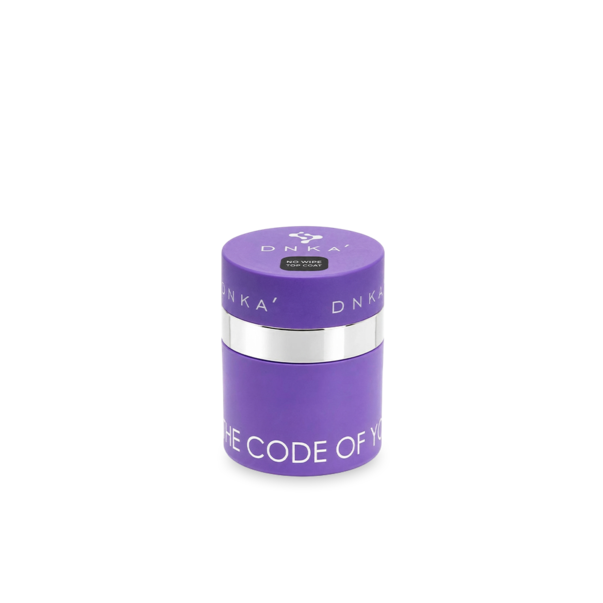
When working with the 30 ml format in a pump jar, smoothness of movement is crucial. Press the dispenser gently to avoid letting excess air into the material. Gather the required amount of material with a flat synthetic brush using a soft sliding motion from the edge of the dispenser hole. After use, do not wash the brush with acetone: it is enough to wipe the bristles with a lint-free wipe with cleanser, shape the tip of the brush, and store it in a protective cap.
Important! The top does not guarantee the absence of lifting. The final wearability of the coating depends on comprehensive preparation of the plate, choice of base, compatibility of products, and strict adherence to technique. The function of the finish is to protect the surface from mechanical damage and maintain its visual properties. In case of premature disruption of the integrity of the manicure, all stages of the procedure must be analyzed, from basic preparation to final polymerization.
Compatibility of DNKa Tops with Other Coatings
DNKa tops can be used over various gel polish systems; however, when combining materials from different brands, the result depends on the compatibility of specific formulas. But there are nuances that are important to know in advance.
They pair well with:
gel polishes, colored gels, and other compatible materials of the system
sliders, dried flowers, kamifubuki
milky and camouflage bases
Important! Always check compatibility on a test wheel before applying to a client. When combining materials from different brands, there may be issues with adhesion, appearance, or polymerization.
In case of cloudiness after polymerization, check the thickness of the layer, compatibility of materials, and compliance of the lamp with the manufacturer's requirements. Do not arbitrarily increase the polymerization time.
Common Mistakes When Using DNKa Top for Nails
Even the right top can yield undesirable results if there are mistakes in the application technique. Most often, problems are related not to the formula itself, but to the amount of material, the position of the brush, and the preparation of the coating before the finishing layer.
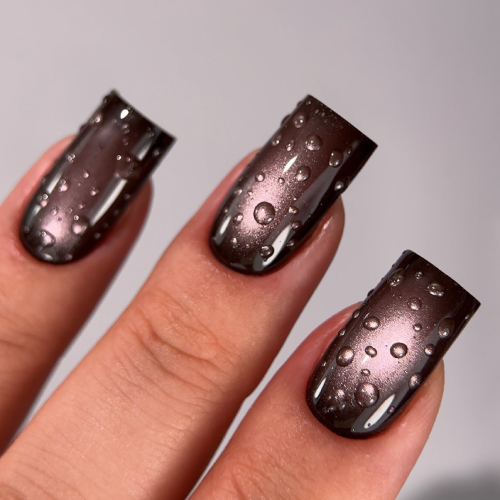
Error | Why This Is Bad | How to Fix It |
| Loading too much material onto the brush | Excess top can flow to the sidewalls, accumulate in one area, and create uneven thickness of the coating | Load a small amount of material and distribute it in a thin, even layer |
Pressing the brush too hard against the surface | With strong pressure, the material may distribute unevenly, and the brush may leave marks on the finish | Work with light movements, allowing the top to self-level |
Bringing the top too close to the skin | Material getting on the skin increases the risk of irritation and may disrupt the neatness of the coating | Leave a small gap from the skin and carefully control the side areas |
Not checking the surface before polymerization | After application, there may be bulges, unpainted areas, or irregularities on the surface that cannot be corrected after the lamp | Inspect the nail from the side and above before polymerization and correct the layer if necessary |
Polymerizing material with visible bulges | After curing, the irregularities will remain in the finished coating and may affect its appearance | Check the distribution of the top before placing the hand in the lamp |
Using the same application technique for tops of different consistencies | Thinner and thicker materials distribute differently across the surface | Adapt the amount of material and speed of work to the consistency of the specific top |
Leaving the bottle open during the entire procedure | Prolonged contact of the material with air can contribute to changes in its consistency | Open the bottle just before working and close it immediately after loading the material |
Not controlling the dispensing of DNKa top from the 30 ml pump | With careless dosing, air can be captured and transferred into the working portion of the material, making it difficult to achieve an even finish | Press the dispenser smoothly. Gather the material with a flat synthetic brush using a soft sliding motion from the edge of the hole, avoiding air bubbles |
Not distributing decorative particles in DNKa Top Sorbet and Top Unicorn before polymerization | Hexagons and shiny particles may cluster or protrude above the surface of the coating. After polymerization, changing their position without additional processing will no longer be possible | Before placing the hand in the lamp, distribute the particles with a fine liner brush. If elements protrude above the surface, cover them with a thin layer of transparent Multi Top |
Key Takeaways About DNKa Nail Tops
Here are the most important points about DNKa top for gel polish – briefly and to the point, so you don't have to reread the entire article before making a purchase:
Different types of finish. The line includes glossy, matte, camouflage, and decorative tops.
Self-leveling. A number of products claim the ability to distribute themselves across the nail surface.
Options with UV filters and without. This allows you to choose a finish considering the shade of the colored coating.
Formulas without a sticky layer. Many DNKa tops do not require additional removal of the dispersion layer after polymerization.
Different ways of use. Some formulas are intended solely for finishing, while others can perform an additional function – for example, camouflage minor irregularities or add decor.
The line is suitable for different techniques. You can choose a product for standard coating, matte finish, nude effect, or design with ready-made decor.
The 30 ml volume is aimed at regular work. The Pump format is convenient for masters who prefer to load material with a separate brush.
FAQ: Frequently Asked Questions About DNKa Top for Nails
Can DNKa top coat be applied without gel polish, directly on the base? Camouflage Cover Top DNKa can be used independently or over a base and/or gel polish. Transparent tops are primarily intended to finish colored or decorative coatings.
Why does intense burning occur during the drying of the top in the lamp, and how can it be avoided? Intense heat release (exothermic reaction) occurs during the rapid polymerization of acrylates. To avoid increased thermal exposure to the nail plate, it is recommended to use a low power mode (Low Heat Mode) during the first 15 seconds of drying.
Why did the manicure with DNKa top become cloudy after the lamp? Cloudiness may be related to the thickness of the layer, polymerization mode, or combination of materials. Check the application technique and the lamp's compliance with the manufacturer's instructions. Apply the layer according to the recommendations and polymerize according to the instructions for the specific top.
Why does the glossy Non-Wipe top sometimes crack in a "spider web" pattern on the free edge? This is a conflict of the physical properties of the materials. Non-Wipe tops form a rigid framework after polymerization, resembling glass. If the client has naturally thin, flexible nails and you applied a flexible base (rubber base) without additional reinforcement with a hard gel, the architecture will spring. The soft base bends – the hard top cracks. Solution: strengthen thin nails with hard materials (gel, poly gel) before applying a hard finish.
Does the power of the lamp affect the final shine of DNKa top? Directly. If the lamp is old (the diodes have degraded) or low-powered, the photo-initiating process does not complete. The polymer network does not close tightly, resulting in a porous and micro-rough surface – visually, this appears as a dull, "rubber" finish. Always adhere to the recommended polymerization time (usually 60-90 seconds) in LED lamps with a power of at least 48W.
How long does the gloss last, and how should DNKa tops be removed properly? When the technology is followed, the gloss and matte effect maintain their aesthetics for up to 3-4 weeks. Since tops without a sticky layer form a dense polymer network, dissolving them with a remover without prior preparation is ineffective. The optimal option is to remove them with a drill (green or blue grit) at high speeds. When soaking, be sure to completely remove the top glossy layer with a file of 100/180 grit.
How to care for matte and light camouflage DNKa tops to prevent staining? Any micro-rough or light finish absorbs household pigments more actively – from the dye of new jeans to freshly ground coffee. Contaminants can be easily removed with a lint-free wipe moistened with an alcohol solution or regular micellar water. The main thing is to avoid aggressive acetone-containing liquids and not to apply greasy creams immediately after the procedure.
Why You Should Buy DNKa Top for Nails
The DNKa top is worth adding to your arsenal for its predictable chemistry and refined thixotropy, which give the master absolute architectural control over the final coating. Based on balanced acrylate copolymers, the material forms a resilient protective matrix that does not shrink, effectively absorbs mechanical impacts, and protects color from micro-cracking. The formula's ability to self-level into a perfect shine without flooding the sidewalls reduces the risk of liquid polymer contact with the skin.
You can purchase DNKa top for nails on the website staleks.ua. Our catalog features a wide range of DNKa finishes and other manicure materials with delivery throughout Ukraine.
Tops for gel polish Cost on staleks.ua
DNKa Nail Tops - customer reviews