Tops without a sticky layer












 Buy
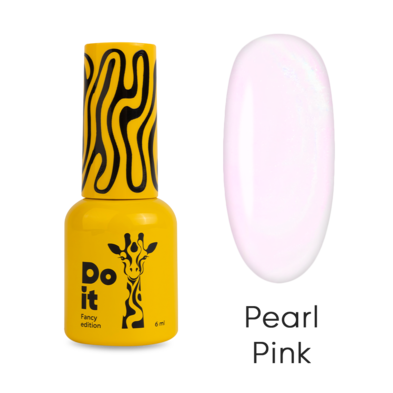
 In stock Buy
 Buy
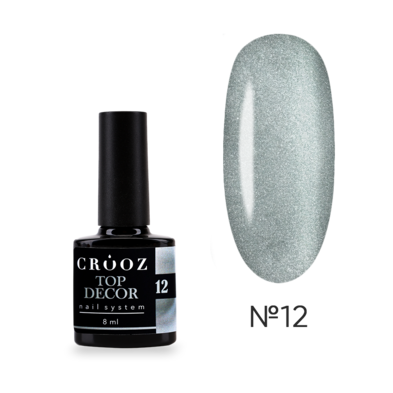
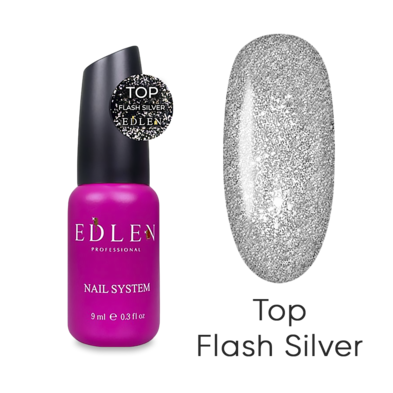 Buy
 In stock Buy
 Buy
 Buy
 Buy
 Buy
 Buy
 Buy
 In stock Buy
 In stock Buy
 In stock Buy
 In stock Buy
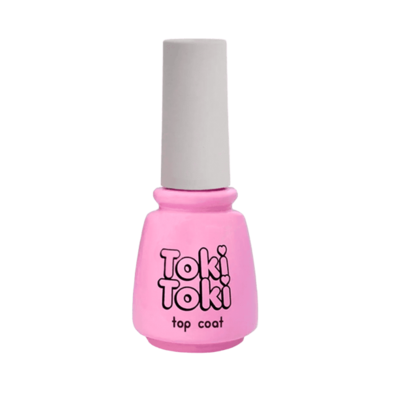 In stock Buy
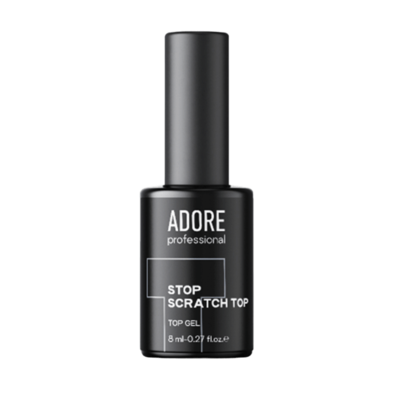 Buy
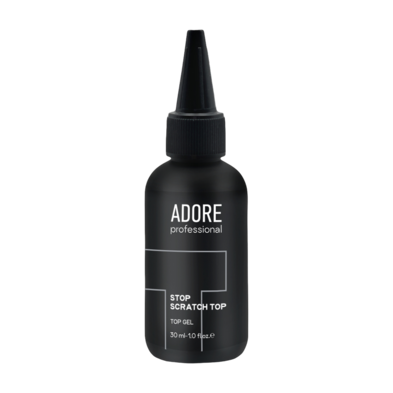 In stock Buy
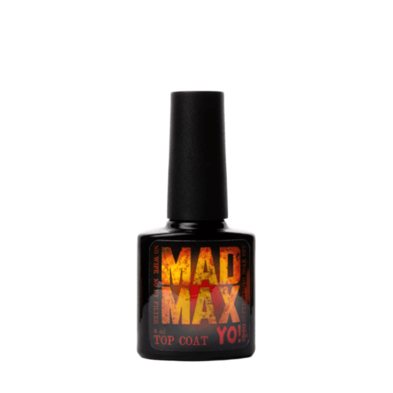 In stock Buy
 In stock Buy
 Buy
- 1
- 2
- 3
- 4
- 5
- 33
- Next
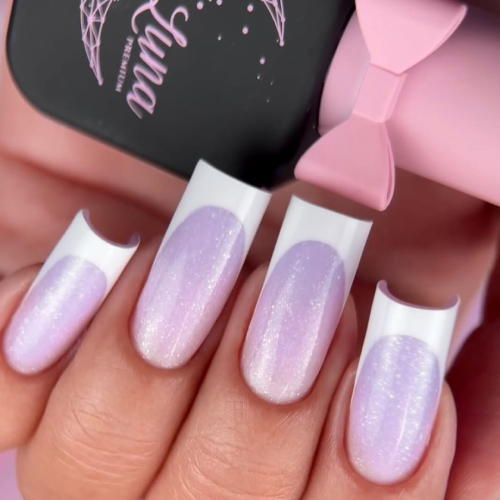
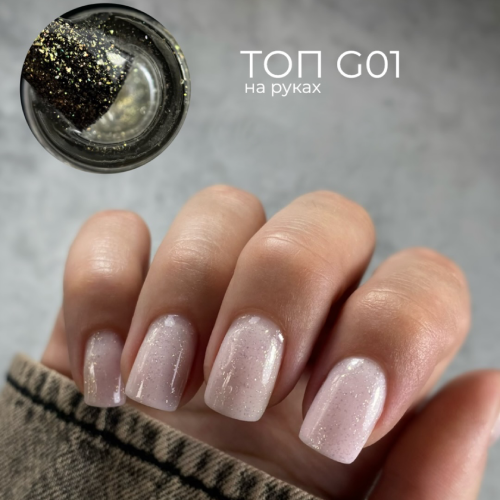
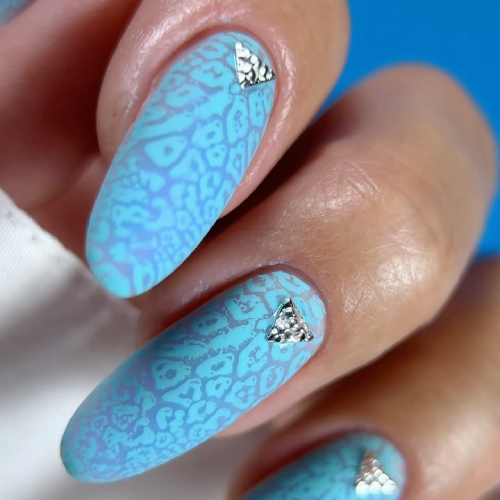
A no-wipe top coat is a finishing layer for gel polish systems that forms a surface without residual dispersion during the photopolymerization process in a UV/LED lamp. Unlike classic finishes that require the removal of stickiness with a cleaner, the absence of dispersion is due to a modified polymer matrix. A specific combination of oligomers and increased activity of photo-initiators minimize the effect of oxygen inhibition on the surface of the material. Depending on the component composition, such top coats provide a crystal-glossy, matte (velvet), camouflaging, or decorative visual effect.
Characteristics of No-Wipe Top Coats
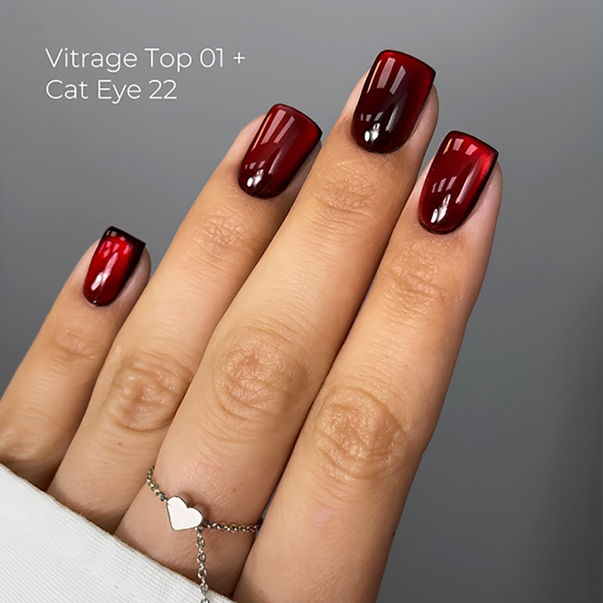
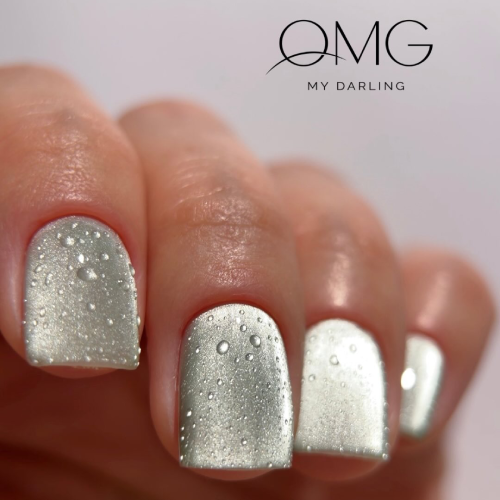
The finish, consistency, composition, and presence of a UV filter affect the properties of the top coat and its application features. Let’s briefly discuss the parameters.
-
Type: finishing coat for gel polish
-
Purpose: to complete the coating, protect the color layer from external influences, chips, and scratches, form the chosen finish, and fix the design and decorative elements
-
Finish: glossy, matte
-
Nail type: natural and artificial
-
Consistency: liquid, medium-liquid, medium, medium-thick, and thick – depending on the formula
-
Self-leveling: found in many formulas; the degree of self-leveling depends on the consistency and composition
-
Presence of UV filter: without filters, with UV filter
-
Manufacturer: Ukraine, USA, Germany, China
Chemistry of the Finish: How the No-Wipe Formula Works
The behavior of a no-wipe top coat during application and its wear resistance depend on the balance of ingredients. Understanding the composition helps predict the result and select the product correctly for a specific task.
-
Acrylate and methacrylate oligomers – form the structural framework of the polymer matrix. These are large molecules that determine the basic physicomechanical properties of the finish: hardness, elasticity, and scratch resistance. In no-wipe top coats, they are selected to form a sufficiently dense network after polymerization, leaving no dispersion.
-
Reactive monomers – act as active diluents and cross-linking agents. They reduce the viscosity of the composition for easy application and integrate into the structure during polymerization. The type and concentration of these monomers largely determine the density of cross-linking, and thus the final strength and adhesion of the top coat to the color coating.
-
Photo-initiators – initiate the polymerization reaction under the influence of UV/LED radiation. In no-wipe top coats, the balance of these components is crucial to ensure the reaction at the "air-material" interface occurs faster than it would be affected by oxygen.
-
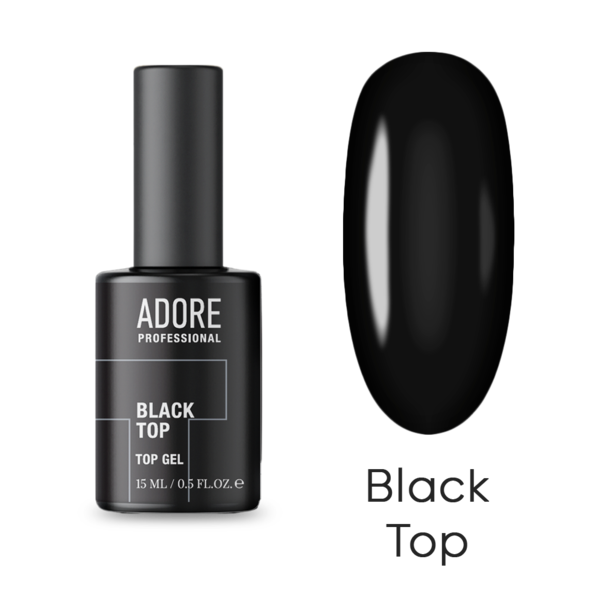
UV filters (in some formulas) – are introduced to protect gel polish pigments from fading and to prevent the polymer from yellowing in sunlight. They absorb part of the UV radiation, reducing its impact on pigments and the polymer matrix. This helps slow down color fading and yellowing of the coating, which is especially important for light and neon shades. However, on dark and black tones in daylight and under UV rays, they can give a noticeable bluish tint. Therefore, for dark shades, top coats without UV filters are chosen.
-
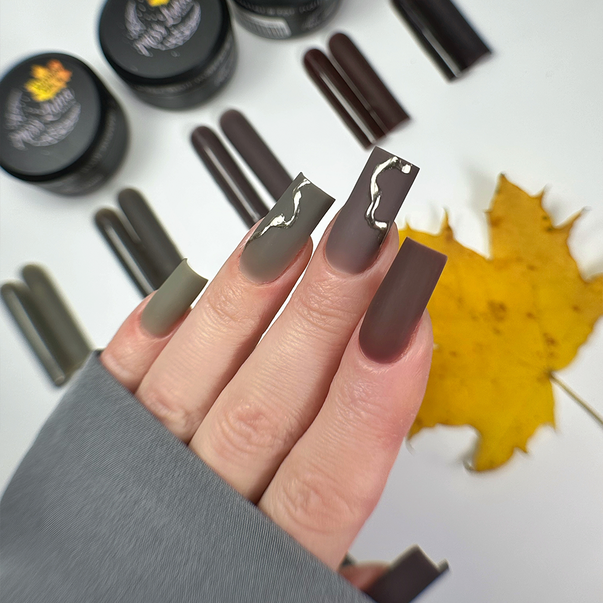
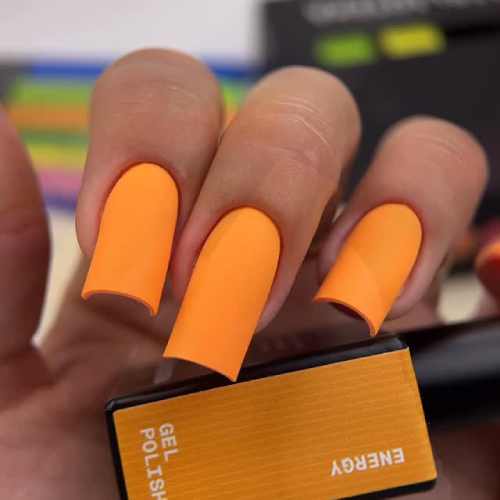
Mattifying components (in formulas for matte finishes) – are used in matte top formulas. Special micro-particles (most often silica or waxes) are embedded in the polymer network and change the micro-relief of the surface. As a result, the coating does not reflect light but scatters it, creating a visual matte effect.
Safety of Formulations: HEMA-free and TPO-free
HEMA (hydroxyethyl methacrylate) is used in some formulas and can affect the adhesion properties of the material; however, with regular contact with the epidermis, it may cause sensitization and allergic contact dermatitis upon contact with the skin.
In the EU, the use of certain components in nail cosmetics is regulated by amendments to Regulation (EC) No 1223/2009; for HEMA, there is a restriction on professional use, and TPO is banned from September 1, 2025. The labeling HEMA-free and TPO-free characterizes the composition of a specific product but does not eliminate the risk of reaction to other acrylates. In case of known allergies, the composition should be checked according to INCI.
No-Wipe Top vs. Sticky Top
"What is the difference between a no-wipe top and a finish with a dispersion layer?" – perhaps the most common question when choosing. Neither option is inherently worse or better: the difference lies in the tasks for which each works optimally.
| Parameter | No-Wipe Top | Sticky Top |
| Surface after polymerization | Smooth, without residual dispersion | A sticky dispersion layer remains |
| Wiping after the lamp | Not required | Requires removal of the dispersion layer with a cleaner |
| Chrome and mirror rubbing | The pigment is rubbed into the smooth surface of the fully polymerized top | Before applying the mirror pigment, the dispersion layer is removed |
| Nail art over the top | If mechanical adhesion is needed, the surface is matted or an adhesive provided by the system is used | The dispersion layer may aid adhesion with certain materials if provided for by the technology |
| Working with decor | You can proceed to the next step without removing the dispersion layer | Before certain types of decor, removal of the dispersion layer or additional preparation may be required |
| Finish after polymerization | Gloss or matte is visible immediately after polymerization | The final finish is evaluated after the dispersion layer is removed |
| Procedure stages | Application → polymerization → finished surface | Application → polymerization → if necessary, removal of the dispersion layer |
| Procedure time | Reduced, as it does not include a separate wiping step | Requires an additional wiping step |
How to choose a top coat for a specific task:
-
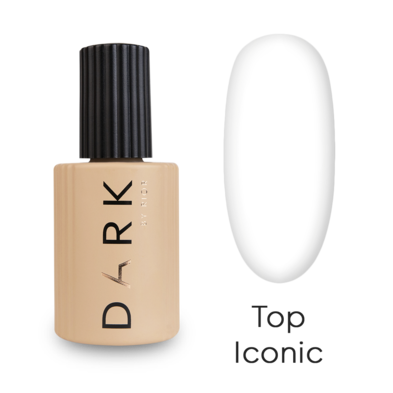
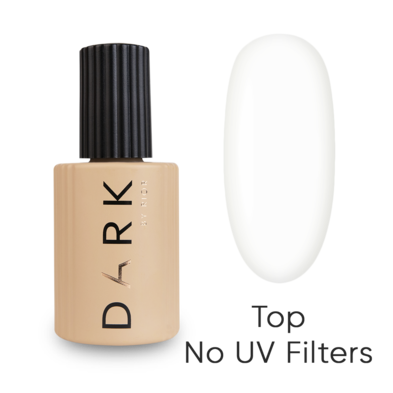
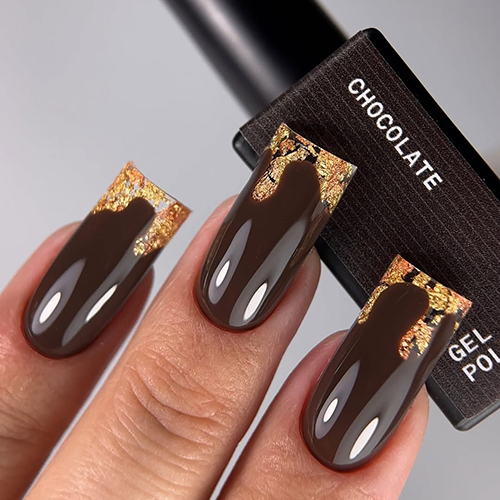
For dark and black shades – choose a clear top without a UV filter if the formula with a filter gives a bluish tint on dark coatings. For example, the manufacturer DARK explicitly indicates such a feature of its formula with a UV filter.
-
For white, light, and pastel shades – a top with a UV filter will be suitable if the manufacturer claims protection against fading and yellowing.
-
For thin and flexible nails – choose an elastic finish that can replicate the natural deformation of the nail plate. Rubber top coats may be suitable for this task if the manufacturer confirms their flexibility.
-
For mirror rubbing – use a glossy no-wipe top compatible with the chosen pigment. The specific application order depends on the instructions for the rubbing.
-
For a matte manicure – choose a matte no-wipe top with an even velvety finish.
Who is the No-Wipe Top Coat Suitable For
The no-wipe finish is suitable for most working situations, but there are nuances that are important to consider in advance. Knowing them before application means not being disappointed in the product due to a situation for which it was not originally designed to work.
The no-wipe top coat is suitable for:
-
masters who want to reduce service time – the wiping step is removed from the procedure
-
when working with foil, gold leaf, rubbing, and pigments – the possibility of direct application depends on the type of decor and the manufacturer's instructions
-
for classic monochrome and nail art manicures
-
for natural and reinforced nails, provided material compatibility and formula characteristics match the plate
-
when securing rhinestones and dried flowers – according to the application protocol
-
for matte finishes – matte no-wipe tops provide an even velvety surface
Types of No-Wipe Top Coats
No-wipe top coats differ significantly from each other in terms of tasks and finishes. Understanding these differences before purchase means not regretting either the choice or the result.
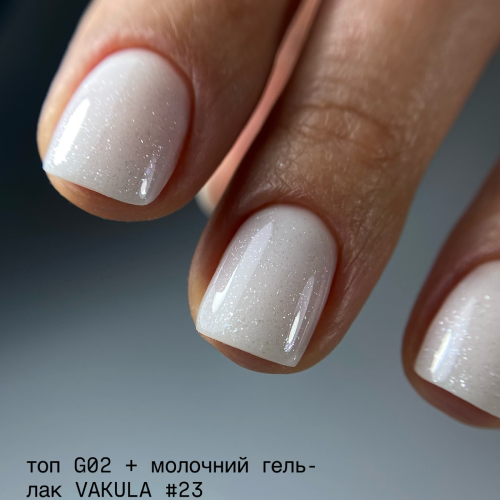
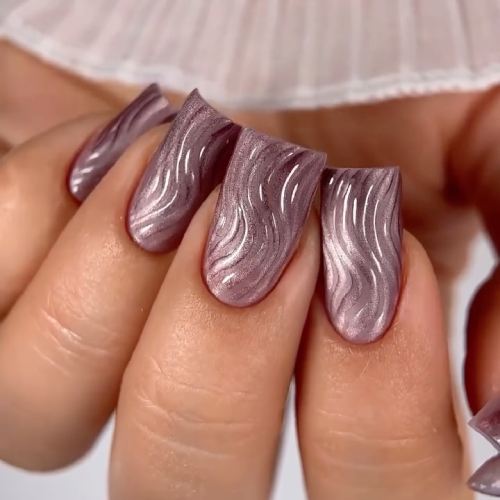
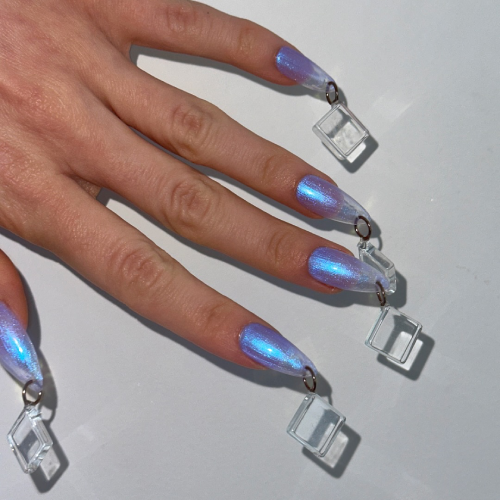
| Type | Finish | For which techniques | What to pay attention to |
| Glossy | Mirror shine | Classic manicure, monochrome, nail art | Choose a UV filter or its absence considering the shade of the coating |
| Matte | Velvety, without shine | Minimalistic, pastel looks | Evenness of application is especially important for achieving a uniform matte finish |
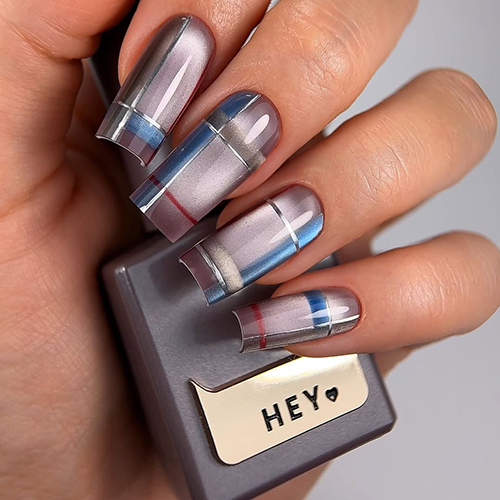
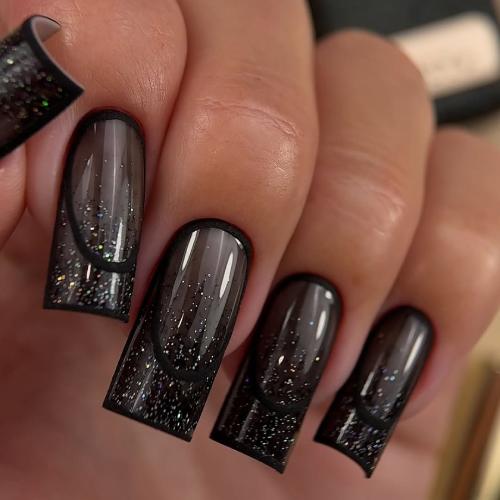
| Camouflaging | Glossy with a tinting effect | Nude manicure, tinting of the coating; the possibility of leveling is determined by the specific product | Check the shade on a tip before application: the color of the top changes the visual tone of the underlying coating |
| Rubber | Depends on the formula | Flexible and thin nails | Select the degree of elasticity and viscosity according to the condition and characteristics of the nail plate |
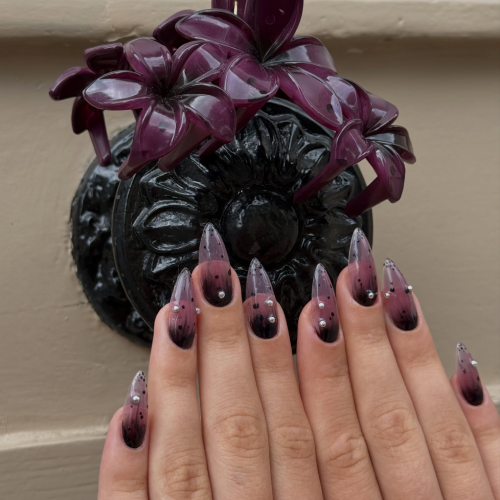
| Stained glass and colored | Translucent with a tint | Nail art, accent design | The shade depends on the color of the substrate, so the same top may look different on a light and dark base |
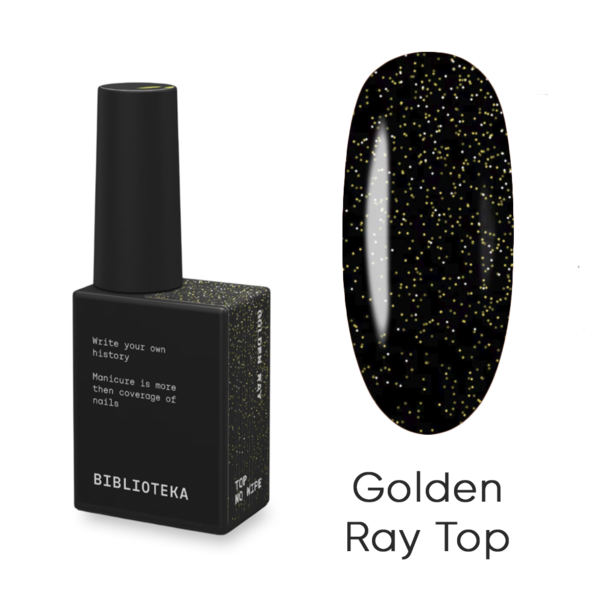
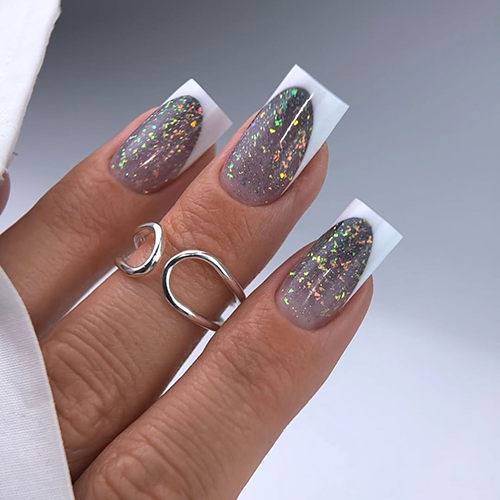
| With decor (shimmer, glitter, gold leaf, mica) | Glossy with effect | Decorative designs | Check the distribution of particles before polymerization: after hardening, their arrangement cannot be corrected |
The hardness of the finish for gel polish without a sticky layer can affect the surface's resistance to mechanical damage, but durability is determined by the entire formula. In cases of pronounced flexibility of the nail plate, too hard a coating may not withstand deformation as well. For such cases, choose a formula with suitable elasticity and consider the properties of the entire coating system.
How to Choose a No-Wipe Top Coat
Finish, elasticity, presence of a UV filter, and composition – four parameters that determine whether the top coat will be suitable for work.
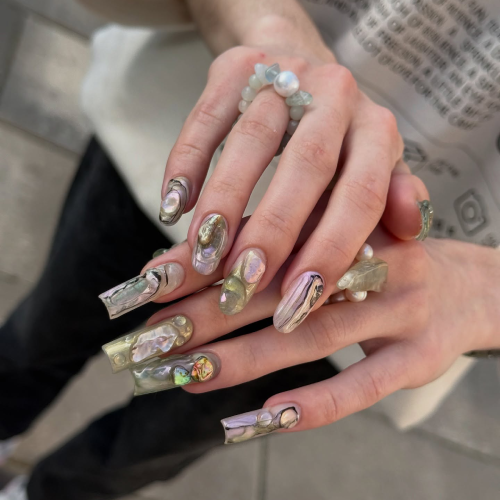
| Product | Finish / Type | UV Filter | Features | Consistency and Application | Key Properties | Polymerization |
| glossy, transparent, no-wipe | yes | increased strength; the formula is designed to protect the coating from minor scratches | medium consistency, self-leveling | dense transparent top; glassy shine | 60-120 s UV/LED | |
| glossy, transparent, no-wipe | no | TPO-free; neutral pH; medium elasticity | medium-thick, closer to liquid; distributes well | resistance to scratches, cracks, and chips; does not give a blue tint to dark colors | LED 30-60 s; UV 180 s | |
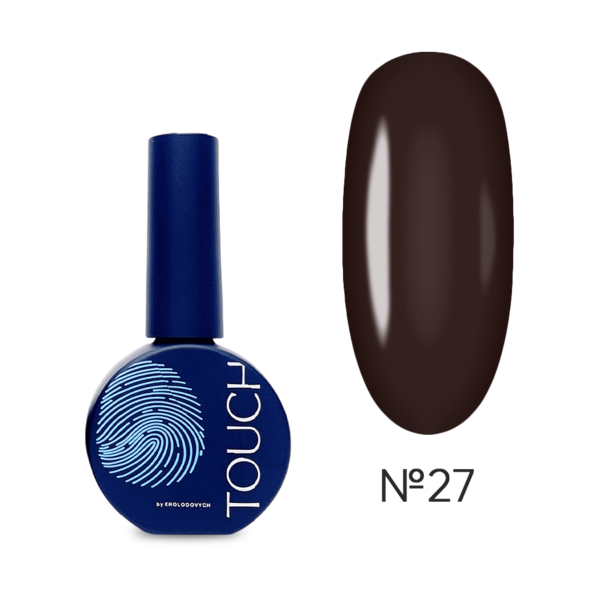
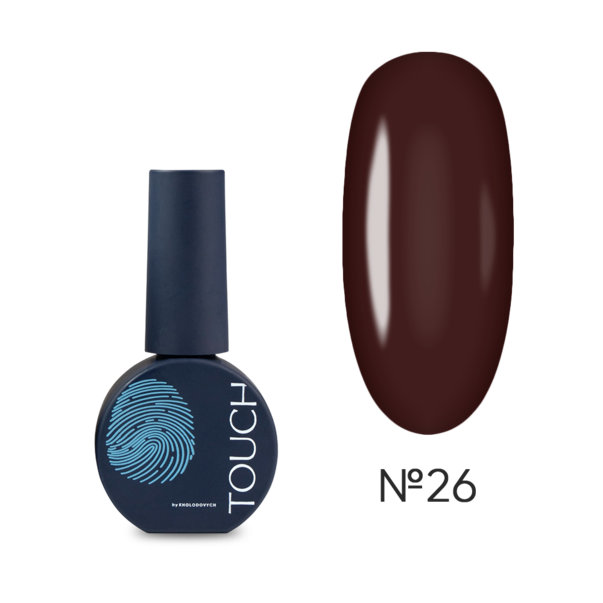
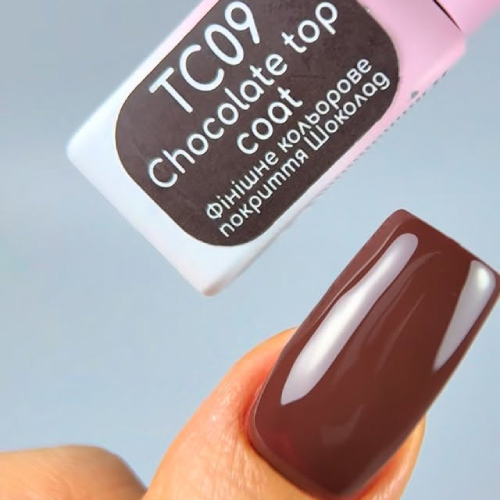
| glossy, camouflaging, brown | yes | HEMA-containing formula; TPO-free; flexible coating | medium consistency, light self-leveling | warm coffee shade; can be used as a finish and for tinting the coating | 90-120 s in a 48W lamp | |
| glossy, transparent, no-wipe | yes | contains UV filter Bumetrizole; pump format for dosed application | medium-liquid, self-leveling | resistance to mechanical impacts | 120 s UV/LED | |
| glossy, finishing, no-wipe | no | HEMA-free; available in transparent and tinted versions | distributes evenly, does not run or pool | protects against chips, scratches, and dirt; does not yellow | LED 30 s; UV 2 min | |
| glossy, transparent, no-wipe | no | mirror "crystal" shine; HEMA and TPO are indicated in the published INCI | medium thickness; distributes evenly without runs and bubbles | protection against yellowing; resistance to chips and cracks; maintains shine for up to 4 weeks | UV/LED – 120 s | |
| matte, frosted glass effect, no-wipe | yes | 7 Free formula; Frosted Glass effect | self-leveling | does not distort the shade of the coating; protects against chips, cracks, and mechanical impacts | UV 2 min; LED 60-90 s | |
| glossy, transparent, no-wipe | yes | transparent Crystal finish | even application | glossy finish of the coating | LED – 30-60 s; UV – 2-3 min | |
| glossy, no-wipe | yes | High Gloss – pronounced glossy finish | finishing glossy coating | high shine | LED – 30 s; UV – 2 min |
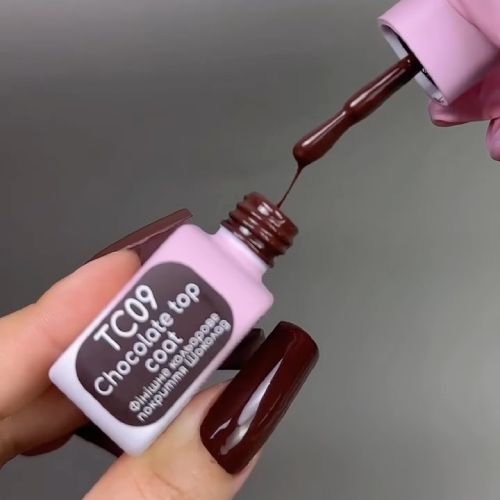
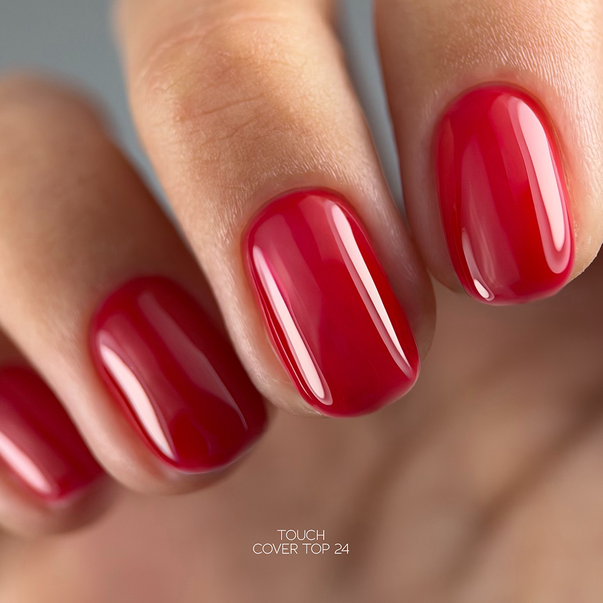
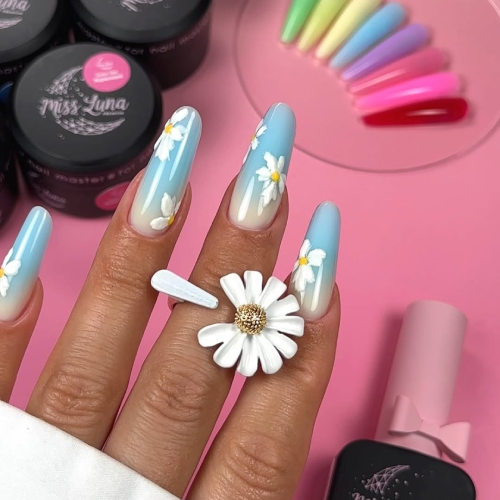
Before a full manicure, test the new top coat on a sample: different materials may differ in compatibility and behavior, and a new system should ideally be tested in advance.
How to Apply a No-Wipe Top Coat
The application technique directly affects the result. Most problems – cracks, runs, cloudy finish, residual stickiness – are related not to the product itself but to violations of the step order.
-
Ensure that the colored layer of gel polish is fully polymerized. Incomplete polymerization of the previous layer can disrupt the operation of the entire system and lead to defects in the coating.
-
If the composition contains pigments, glitter, or matting particles – shake the bottle before application if this is provided for in the manufacturer's instructions.
-
Apply a thin, even layer, avoiding contact with the skin and sidewalls. Fluidity and self-leveling ability depend on the formula; apply the material in the manner recommended by the manufacturer.
-
Be sure to seal the free edge: run the brush with the top coat along the tip of the nail, distributing the material in a thin, even layer without creating beads.
-
Check the surface for bubbles. If there are any, smooth them out with the brush before placing it in the lamp.
-
Place in the lamp. The polymerization time is determined by the manufacturer of the specific material and compatible lamp.
-
After the lamp, the surface is ready. Wiping with a cleaner is not necessary.
-
The possibility of applying decor (foil, gold leaf, rubbing) immediately after polymerization and the specific protocol for working with it are determined by the decor manufacturer's instructions.
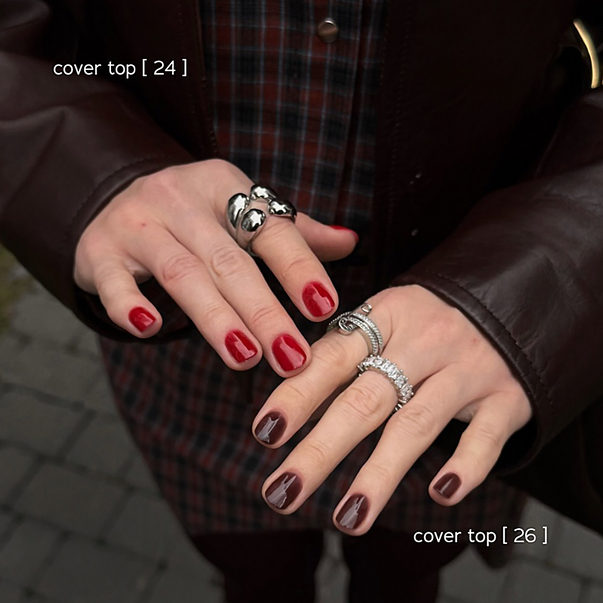
Important: if the top coat runs onto the cuticle before the lamp, remove it with an appropriate tool before polymerization – after hardening, the hard finish cannot be corrected without filing. If the client accidentally touches the nail after polymerization, skin oils may remain on the surface, which can reduce the glossiness. Do not buff the coating or automatically wipe it with alcohol and degreasers: the no-wipe top does not require additional cleaning after the lamp. Allow the coating to cool for 30-60 seconds and avoid touching the fresh finish. To remove contaminants, use only the cleaning method provided by the manufacturer of the specific top coat.
Compatibility with Bases and Gel Polishes
Proper selection of partner materials helps the top coat work as intended by the manufacturer. Below are the main principles of compatibility and situations that require special attention.
Well compatible:
-
with gel polishes based on acrylate – compatibility should be assessed according to the instructions of the specific product
-
with materials from the same system – the manufacturer may claim compatibility within its line
-
with foil, gold leaf, and fine rubbing – the application method depends on the specific decor and its instructions
-
with acrylic paints for nail art – wait for the design to dry completely before applying the top coat. In dense painting, leave separate areas of the background gel polish unpainted so that the finish can adhere directly to the gel coating. The securing technique depends on the system used
Important!
-
Do not apply the top coat over material that should not yet be covered with a finishing layer at this stage.
-
The matte top changes the mirror effect of chrome rubbing; to maintain the metallic shine, use a glossy finish.
Mirror rubbing and no-wipe top: mirror rubbing is applied to the hot no-wipe top coat after polymerization, waiting a few seconds. To prevent chipping, file the edges, treat with a non-acid primer, then cover with an elastic base and only then – with the finishing top.
Common Mistakes When Using No-Wipe Top Coats
Most undesirable reactions – cracks, cloudy finish, residual stickiness – arise not from the quality of the product but from violations of the application technique. Knowing typical mistakes helps avoid them before they manifest on the client's nail.
| Error | Why this is bad | How to fix it |
| Applying too thick a layer | No-wipe top coats are not designed for leveling in a thick layer or applying in two layers – due to the absence of dispersion, the second layer will chip off quickly | Level the architecture with a base or gel, and apply the top strictly in one even layer |
| Not sealing the edge | The edge remains without an additional protective layer, increasing the risk of chipping and peeling of the coating | Be sure to run the brush with the top coat along the free edge, sealing it with a thin even layer |
| Drying less than required | Incomplete polymerization leaves residual stickiness even in a no-wipe formula | Follow the time specified by the manufacturer of the specific top coat and lamp; monitor the condition of the lamp |
| Using a hard top on thin nails without reinforcement | With pronounced flexibility of the plate, too hard a coating may not withstand deformation as well | First, reinforce with a base or builder gel, then apply the top |
| Wiping no-wipe top with a cleaner after each polymerization | A properly polymerized no-wipe top does not have a dispersion layer, so additional wiping is not required. An incompatible cleaner may alter the appearance of the finish | Do not wipe the surface after the lamp. Allow the coating to cool for 30-60 seconds, do not touch it, and do not apply cuticle oil immediately after polymerization |
| Applying matte top over mirror rubbing | The matte top changes the mirror effect, losing the metallic shine | To maintain the metallic shine – use a glossy finish |
Key Takeaways About No-Wipe Top Coats
Here is the most important information about the structure, properties, and rules for working with no-wipe finishes. It is convenient to refer to this before purchasing, when working with a new product, or when troubleshooting issues in application.
-
A no-wipe top coat polymerizes without a residual dispersion layer – after the lamp, the surface is dry immediately.
-
With pronounced flexibility of the nail plate, too hard a coating may not withstand deformation as well – choose a formula with suitable elasticity and consider the properties of the entire system.
-
Mirror rubbing is applied to the smooth surface of a no-wipe top after polymerization; the exact protocol depends on the instructions for the specific pigment.
-
In some top coats, a UV filter is used to protect the coating from sunlight; for dark shades and magnetic designs, a top without a filter is suitable, considering the manufacturer's recommendations.
-
In case of known sensitivity, the composition should be checked according to INCI: the absence of HEMA does not exclude reactions to other acrylates.
-
Mix the top coat before application only according to the manufacturer's instructions.
-
Compatibility with gel polishes from different brands should be assessed according to the instructions of the specific product; a new system should ideally be tested in advance.
FAQ: Frequently Asked Questions About No-Wipe Top Coats
-
Why is the no-wipe top still sticky after the lamp? Possible reasons include an unsuitable lamp, insufficient polymerization time, or too thick a layer. With too thick a layer, the material may not polymerize adequately, leaving the surface with residual stickiness. Refer to the instructions for the specific top coat and lamp. If the top did not dry due to a thick layer, do not attempt to cover it with another – the coating will peel off like a film. It is necessary to buff the spoiled layer, degrease, and apply the finish thinly again.
-
Why does the no-wipe top run onto the cuticle? Running can be influenced by the fluidity of the material, the amount of product, temperature, and time before polymerization. Apply a thin layer, avoiding contact with the skin. If the material runs onto the cuticle or sidewalls, it must be completely removed from the skin before placing the hand in the lamp. Contact with unpolymerized acrylate material can increase the risk of sensitization. After polymerization, the run finish cannot be corrected without filing.
-
Can I use a no-wipe top coat over acrylic or builder gel? Yes, if this is provided for by the system: the material must be fully polymerized, and the surface must be prepared according to the protocol. Mechanical preparation is only performed if it is provided for by the protocol of the specific system.
-
What to do if "craters" appear or it rolls off the edges during application? Craters and rolling of the material may be related to surface contamination, incompatibility of layers, excess product, or features of the specific formula. Check the cleanliness and preparation of the surface, material compatibility, and apply the top in a thin, even layer.
Why You Should Buy a No-Wipe Top Coat
Choosing a no-wipe top coat significantly optimizes the manicure procedure by eliminating the final step of removing dispersion, saving time and associated consumables (degreasers, lint-free wipes). The technically smooth surface, immediately ready after the lamp of no-wipe formulas, is an essential base for working with rubbing pigments and performing surface drawings. Additionally, the lack of need to remove the dispersion layer with a cleaner reduces the number of contacts between the skin and the products used during wiping. However, careful application without runs remains the key prevention against allergies.
You can buy a no-wipe top coat with delivery throughout Ukraine on the website staleks.ua. The catalog offers a wide selection of no-wipe top coats, as well as decorative finishes for various nail art options.
Tops for gel polish Cost on staleks.ua
Tops without a sticky layer - customer reviews