How Stress Affects the Skin and the Consequences of Stress
Dull complexion, the first wrinkles, lethargy, peeling, and acne are often attributed to poor nutrition, disruption of water balance, or lack of skincare. However, if, despite a healthy lifestyle and better care, the skin still demands foundation, the cause may lie in a less obvious factor.
How Does Stress Affect the Skin?
To understand what happens to the skin during stress, let us refer to basic biology. When we are anxious, the hormone cortisol is produced — this is how our body reacts to potential danger. Cortisol slows down the division processes in connective tissue cells responsible for collagen and elastin. It also negatively affects the skin's ability to produce natural hyaluronic acid. In addition to cortisol, a large dose of adrenaline enters the bloodstream, which constricts capillaries, leading to characteristic paleness, and the skin temporarily receives fewer nutrients. In adjacent areas of the skin, under the influence of stress, the opposite process occurs — capillaries expand, resulting in the formation of red stagnant spots. From the perspective of the excretory system, these two hormones cause you to sweat more and disrupt the balance of sebum production, leading to inflammation and clogged pores.

Stress and skin aging are inextricably linked. Chronic nervous tension accelerates the passage of time for the entire body. However, the impact of stress on the facial skin is the most apparent. As a result of collagen fiber dystrophy, static wrinkles appear. Reduced microcirculation due to capillary spasms provokes excessive keratin deposition, causing the stratum corneum to thicken and form folds. Stress also affects the facial skin mechanically. Unconsciously, we frown, purse our lips, and wrinkle our foreheads.
Stress and Skin: Temporary Cosmetic Defects
The facial skin after stress, lacking balance, blooms with a bouquet of unpleasant consequences. With a sensitive nervous system, stress and skin itching go hand in hand. The hormones of this state activate nerve endings, prompting us to scratch until the skin becomes red and swollen from the scratching. Stress and facial skin cannot be friends also because pathological tension causes nerve endings to work erratically, demonstrating allergic reactions even to products and household chemicals that are acceptable in a calm state. Skin spots from stress may be signs of eczema, psoriasis, lichen, or urticaria. The appearance and exacerbation of these conditions eloquently demonstrate the connection between stress and the state of the skin.
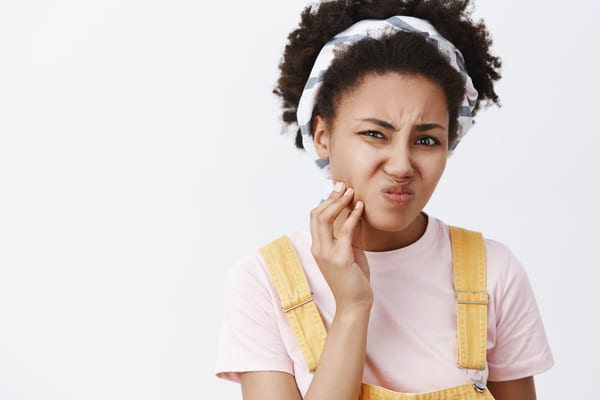
Temporary redness of the skin during stress occurs when, worrying about something, we begin to breathe rapidly and irregularly. After a stressful situation, attentive individuals note the appearance of rashes on usually clear skin. This happens because the stimulation of nerve endings with the production of a large amount of neurotransmitters triggers an inflammatory response. Thus, rashes on the skin due to stress appear. A parallel cause of stress-related rashes is the malfunctioning of sebaceous glands. Oily skin mirrors the situation where, due to the same factor, unusual dryness and sensitivity arise.
How to Restore Skin After Stress?
Having understood how stress affects the condition of the skin, let us consider ways to address the issue. To ensure that efforts are not in vain, we must first eliminate the influence of stress on the skin. Predictability is crucial for the body in all aspects, more than we tend to think. Therefore, it is worth revising the daily routine and diet, organizing work and rest hours. And of course, allocate time to replenish resources — at least 8 hours of nighttime sleep. In answering the question of how to restore facial skin after stress, we will pay attention to each type of consequence separately.
Cosmetic care rich in vitamins A and E eliminates rashes on the skin due to stress. The effects of these components focus on soothing and anti-inflammatory effects. The sebo-regulating line from Marie Fresh Cosmetics will help address the cause of inflammation — excessive oiliness. In individual cases, the skin after stress may be covered with acne due to dysbiosis. Restoring intestinal microflora with probiotics after consulting a doctor is recommended.

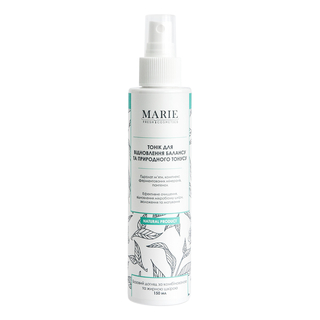
Increased dryness arises because, distracted by worries, a person forgets to drink or exceeds the recommended coffee intake, which, along with its stimulating effect, actively dehydrates. For healthy skin, it is advisable to establish a drinking regimen and replace the usual tonic drink with a more beneficial alternative — green tea, which is rich in caffeine but acts as an antioxidant. We also obtain a lot of liquid from food. The impact of stress on the skin can be alleviated by focusing on soups and fresh vegetables. Among cosmetic helpers, the serum “Moisturizing and Restoration” from Marie Fresh Cosmetics with hyaluronic acid, which attracts moisture literally from the air, making walks in foggy weather incredibly beneficial, will be relevant.
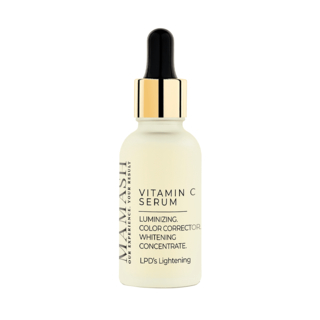
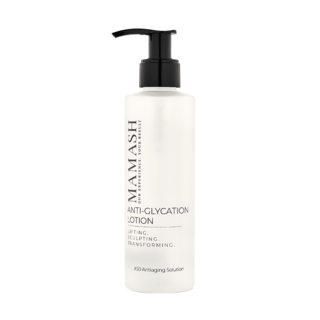
A soothing serum based on antioxidants, Vitamin C Serum, is an excellent idea for restoring skin that has long been covered with red spots after stress. The impact of stress on the facial skin can be easily recognized by the first signs of premature aging — emerging wrinkles. Preventing them requires conscious control of facial expressions. Try to monitor involuntary tension and relax in time. Avoiding excessive tension in the facial muscles can be aided by cosmetics from MAMASH with a high peptide content, such as the Anti-glycation lotion.
Itching and burning on the facial skin after stress are blocked by neurocosmetics that reduce the reactivity of nerve endings. Its action is based on natural components — extracts of horse chestnut and arnica, as well as alpha-bisabolol. Skin after stress, already having a history of psoriasis, vitiligo, or urticaria, requires comprehensive and systematic treatment.
A rational approach, attention, and effective formulas of modern products promise a quick relief from the consequences of negative emotions and fatigue. However, to consolidate the result, it is essential to always remember that the skin's reaction to stress is as rapid as the attainment of harmony with oneself.